The problem
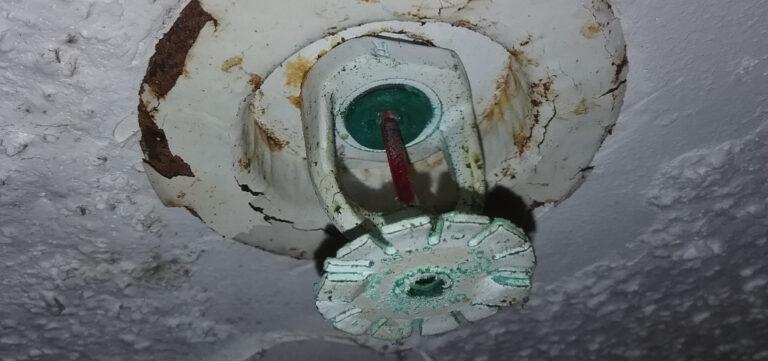
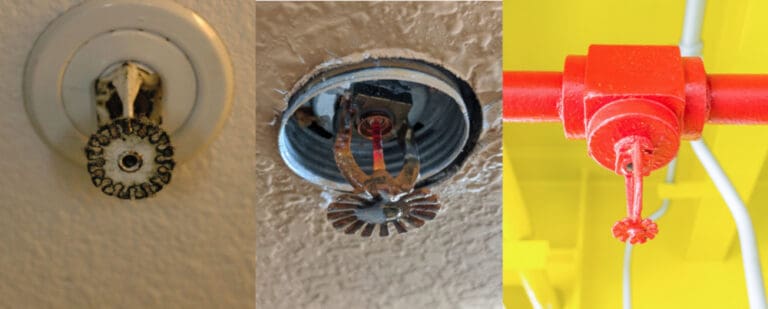
In harsh environments—such as indoor pools, chemical plants, or seaside areas—fire sprinklers need finishes that withstand heat, moisture, salt, and/or chemicals. Wax-coated or wax-over-polyester sprinklers are popular corrosion-resistant options that work very well in most applications. However, some system owners have reported that these finishes may still fail in very high-heat environments where highly corrosive chemicals are present.
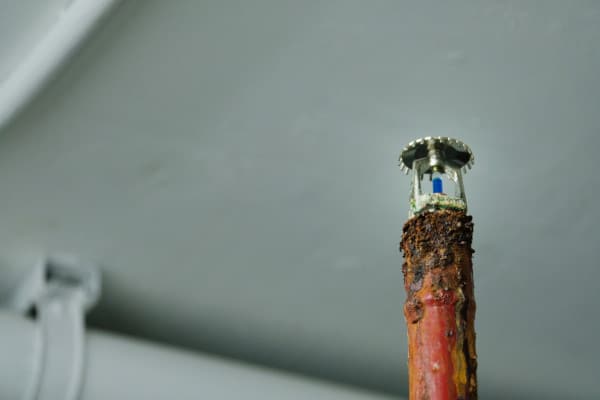
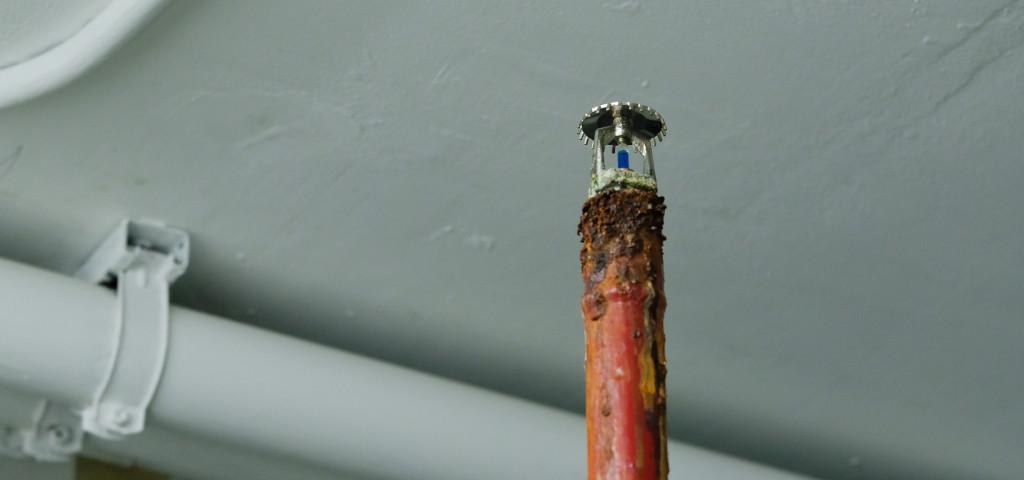
When that happens, sprinklers can break down and fail inspections far sooner than expected. The result? More maintenance, system downtime, and the steep cost of repeatedly draining and refilling the system just to replace damaged heads.
Why this matters
Corrosion can compromise fire protection, and it triggers costly code-driven maintenance. NFPA 25, the water-based inspection, testing, and maintenance standard, requires an annual visual inspection of sprinklers and replacing any that show “corrosion detrimental to sprinkler performance.” (2023 edition: 5.2.1.1.1)
Each corroded sprinkler means extra service calls and system downtime. In addition, facilities lose the extended 10-year testing interval (instead of 5 years) that NFPA 25 allows for listed corrosion-resistant sprinklers used in harsh environments (5.3.1.1.3). If wax-coated heads in a high-heat and chemical environment can’t even survive a year or two without corrosion, you’ll never see those savings—and will keep paying to replace them.
The fix
If wax-coated or wax-over-polyester finishes can’t handle your environment, switch to sprinklers with other listed corrosion-resistant finishes. Here are some good options:
- Electroless Nickel (ENT) has durability against both chemicals and high heat
- VC-250: Victaulic’sproprietary finish is proven in extreme industrial settings
- All Stainless-Steel Construction: The most expensive option, butcould turn out to be cost-neutral
While ENT, VC-250, or stainless sprinklers cost more, they could significantly reduce maintenance, replacement, and downtime in some harsh environments.
Buyer’s guide
1. Identify a sprinkler by its sprinkler identification number (SIN), which is listed in system documentation or on a head’s deflector. This 4- to 7-digit code starts with one or two letters indicating the manufacturer: “VK” for Viking, “TY” for Tyco, “V” for Victaulic, “R” or “RA” for Reliable, and “SS” for Senju.
2. Use the manufacturer’s data sheet (found on QRFS product pages) to confirm listed corrosion-resistant finishes.
3. Choose a listed corrosion-resistant finish. If you are specifically dealing with an environment with very high ambient heat (and potentially harsh chemicals), consider a listed finish other than wax-coated, wax-over-polyester, or (the less and less common) wax-over-lead. ENT, VC-250, or stainless-steel construction are good options for lasting performance.
You can shop QRFS’s full selection of fire sprinklers and narrow your search to the listed corrosion-resistant options. Simply select the sprinkler category you need, choose the “Corrosion Resistant” option in the left-hand filters, and check the “Yes” box.
If you need help finding a sprinkler or finish, contact us!
Product recommendations
FAQs
Do I have to replace corroded sprinklers immediately?
Yes, if the corrosion is “detrimental to sprinkler performance.” NFPA 25 requires removing and replacing any sprinkler that shows corrosion that could affect its operation. However, once corrosion starts in a harsh environment, it won’t stop—so the sprinkler will need to be replaced eventually.
What’s a good finish for very hot environments?
Electroless nickel (ENT), VC-250, or all-stainless construction tends to perform well under high temperatures and chemical exposure.
Are corrosion-resistant sprinklers worth the higher price?
Absolutely, in certain harsh environments where regular sprinklers will break down much faster—especially when you factor in the labor and downtime costs of repeatedly replacing corroded heads.
How do I know if a finish is “listed?”
Check the product’s technical data sheet for finish options that have UL Listed or FM Approved corrosion-resistant designations.
Can I add a coating or paint to prevent corrosion?
No. Painting or coating fire sprinklers in the field is prohibited—it can block heat-sensitive elements and the function of other parts. Only factory-applied finishes are allowed.
How often should corrosion-resistant sprinklers be inspected?
NFPA 25 requires annual visual inspections for all sprinklers—corrosion-resistant or not. The finish extends lifespan and maybe testing intervals but doesn’t reduce inspection frequency.