

Sprinkler Pipe Fittings and Couplings: Types and Uses
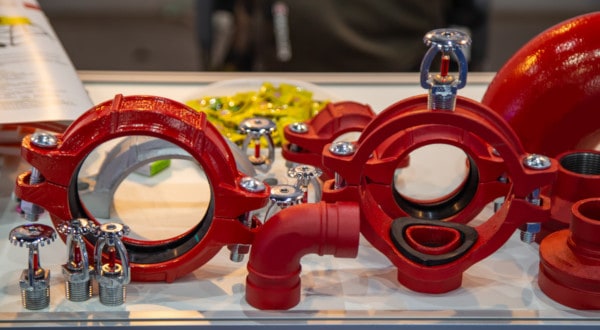
Learn why grooved pipe fittings mean faster installations—and couplings, tees & more sprinkler pipe fittings make installs easier.
Learn why grooved pipe fittings mean faster installations—and couplings, tees & more sprinkler pipe fittings make installs easier.

Protecting HVAC, electrical, and piping systems from earthquakes saves money and lives. Learn the basics of seismic protection for these systems.
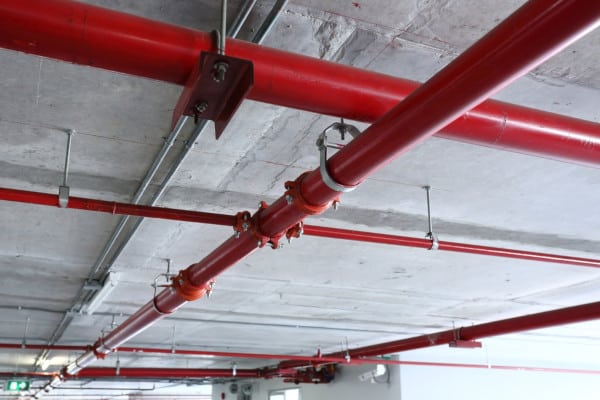
Blocked fire sprinkler pipe puts lives and property in jeopardy. Learn how to conduct an obstruction investigation and flush blocked pipes.
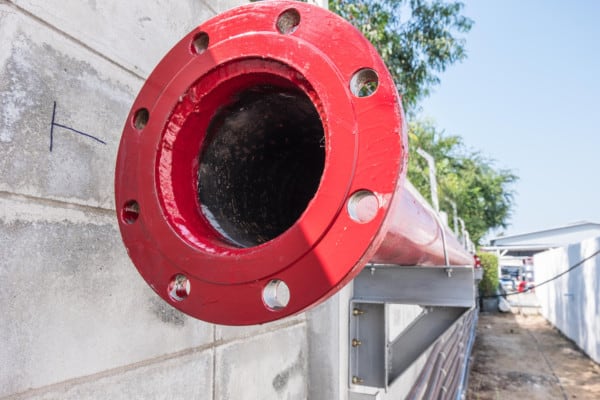
Learn how to spot the conditions that should trigger a detailed obstruction investigation of fire sprinkler pipe according to NFPA 25.
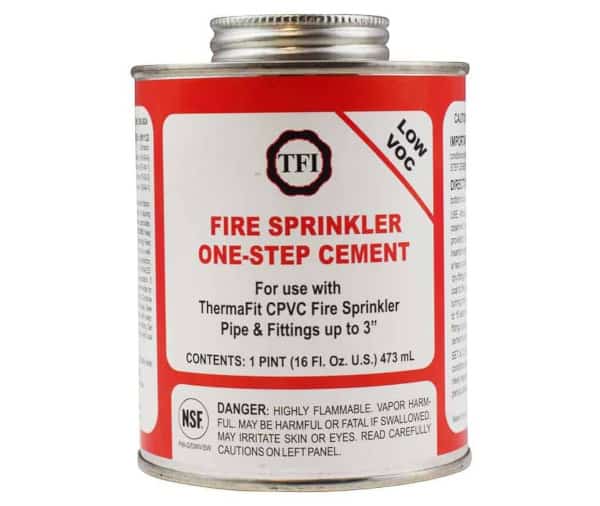
Often called CPVC glue, CPVC solvent cement joins pipes and fittings at a molecular level. QRFS covers everything installers need to know about the time required for CPVC glue to initially dry (set) and permanently cure when used with CPVC brands like BlazeMaster®, FlameGuard®, and ThermaFit Industries.
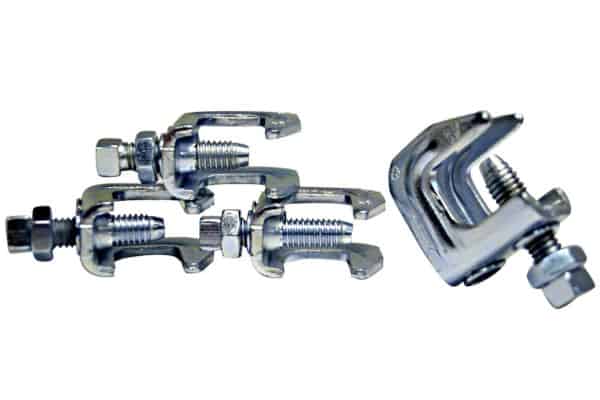
Top beam clamps used to hang pipes in fire sprinkler and standpipe systems perform well in buildings with steel beams and other metal supports. Learn how they work, where they’re used, and what fire code requires.
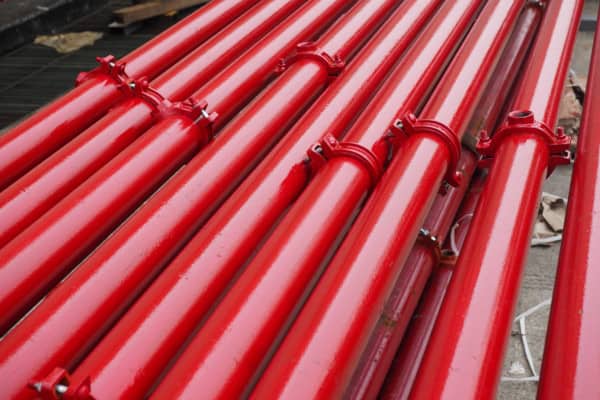
Learn about grooved couplings in pipe systems: how they compare to flanged or welded joints while reducing the labor required for installation & maintenance.
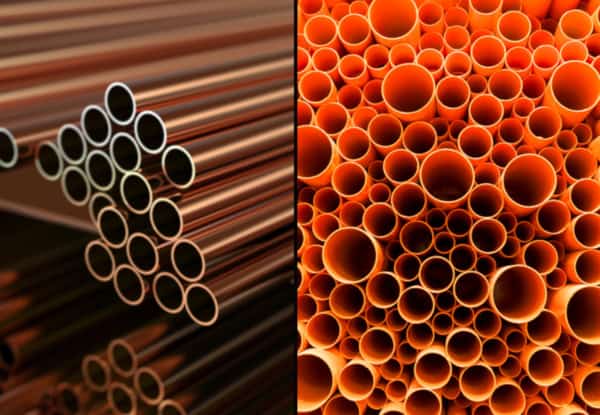
QRFS finishes its examination of common fire sprinkler system pipe materials by taking a hard look at copper and CPVC, two of the most popular options.
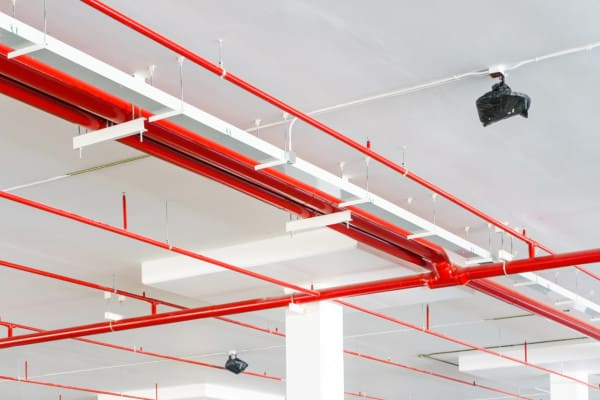
QRFS examines the advantages and disadvantages of steel pipe, one of the most popular fire sprinkler system pipe materials for commercial applications.
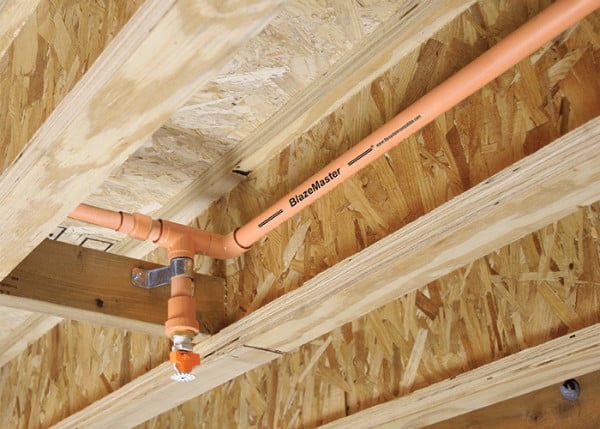
Learn how CPVC builds on the benefits of PVC to offer reliable fire protection and easier installation in sprinkler systems.
Most paint markers claim to be permanent, but with uses that vary from touching up tires to decorating rocks, what’s hype and what’s reality? QRFS explores trending and established uses for paint markers to help consumers choose between specialty and all-purpose models.
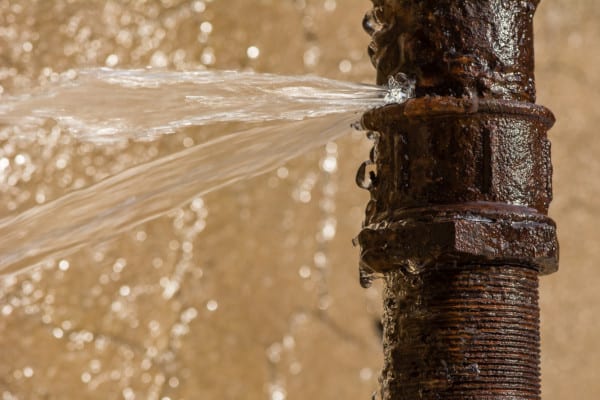
QRFS examines what to do if you’ve uncovered fire sprinkler corrosion in pipes—and steps you can take to avoid costly repairs or system replacements in the future.
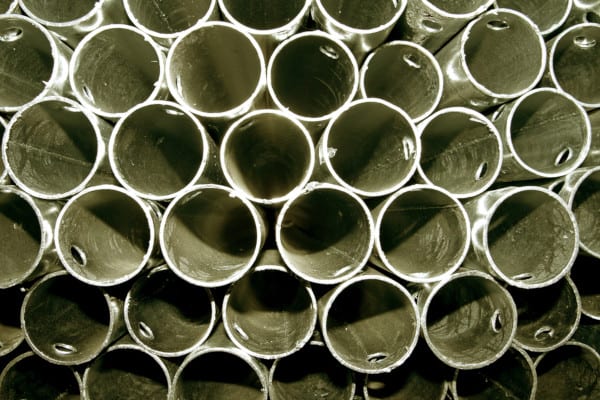
Pilot clamps are sometimes out of stock, but the Tru-Drill II is a reliable alternative for drilling perfect holes in pipe—with its own unique features.
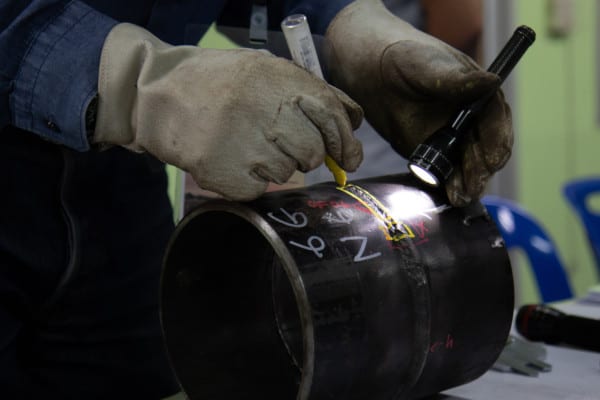
Many marking tools don’t perform well on non-porous surfaces like metal—and the marks they leave aren’t suited to rough handling, heat, weather, and other extreme conditions. QRFS explains how oil-based paint markers for metal can make life easier for those working in construction, metalwork, and other industries.
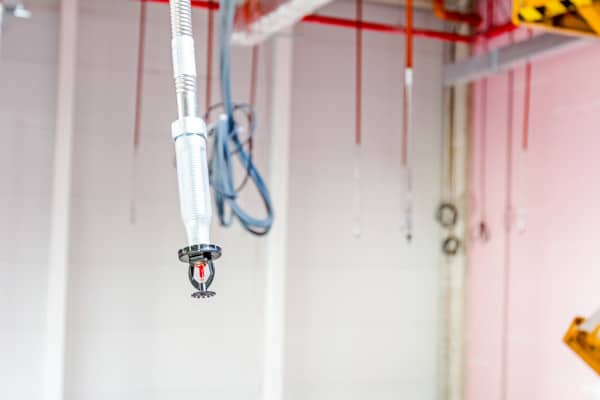
Knowledge of rated bends, manufacturers, and fire code can help contractors make informed decisions about the selection and installation of flexible fire sprinkler drops. To learn more about FlexHead, VicFlex, and other leading products, read on.
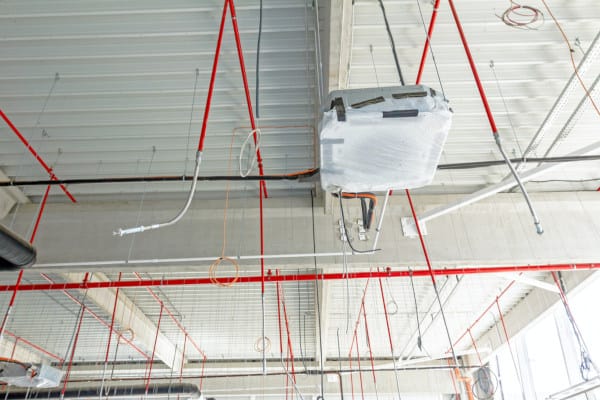
QRFS looks at the adoption of flexible fire sprinkler drops, explaining how they work with suspended ceilings, why they install faster than sprinkler armovers, and how they help installers protect sprinkler systems against earthquakes.
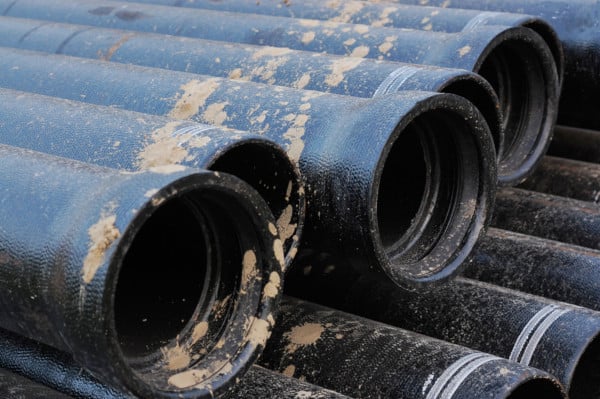
Learn about pipe joint lubricant: what it does, when it’s used, safety issues, and how lubricants vary across leading brands such as Phoenix 27 XL, Phoenix 27 A, and ProSelect.
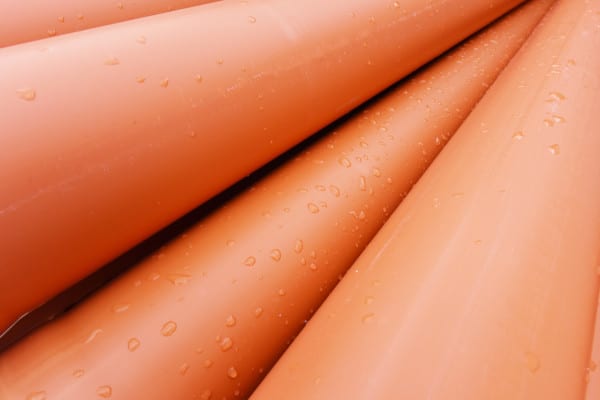
CPVC pipe offers a quick and easy way to install fire sprinkler systems in light-hazard applications, without the expense or hassle of using metal. To implement a successful design, installers have to be aware of compatible chemicals and uses, product care, and listed uses.