The problem
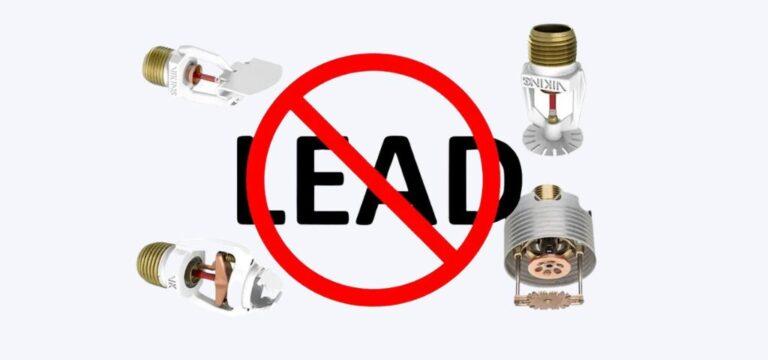
Residential fire sprinklers are often labeled “lead-free” or “low lead,” which may raise a concern: Does that mean other sprinklers contain dangerous amounts of lead?
Since lead exposure is widely known to cause serious health problems—especially in children—people may worry they’re installing something unsafe. The confusion gets worse when different sprinkler heads look nearly identical, but only some are marketed as lead-free. And if you choose the wrong sprinkler for the wrong type of residential system, you might risk health concerns or violate local requirements.
In truth, the real problem isn’t whether lead is in any sprinkler at all—it’s simply understanding when lead-free sprinklers are actually required in which systems, and when regular residential sprinklers are perfectly acceptable.
Why this matters
Lead regulations exist to protect people from contaminated drinking water and other types of lead exposure. Fire sprinklers are generally exempt from federal “lead-free” plumbing rules because these systems don’t normally carry potable water—so, many sprinklers contain small amounts of lead because it helps the manufacturing process.
However, some residential sprinkler systems do share water with the plumbing. In those cases, laws and local authorities often require lead-free system components to avoid even the possibility of contamination.
The practical consequence is simple: if sprinkler water can mix with drinking water in any system design, inspectors and jurisdictions typically require lead-free sprinklers, valves, and fittings.
Ignoring this distinction can mean failed inspections, forced replacements, or delayed occupancy approvals—problems that cost time and money and are completely avoidable with the right sprinkler choice.
The fix
Determining whether you need lead-free fire sprinklers comes down to one question: Does your sprinkler system mix with the potable water supply?
You likely need sprinklers labeled “lead-free” or “low lead” if you have:
- A multipurpose home fire sprinkler system where plumbing fixtures and sprinklers share the same water source and piping.
- A standalone passive purge system that drains somewhere other than a toilet, allowing sprinkler water to potentially be ingested.
If a residential sprinkler system is completely separate from potable water—or passively purges into a toilet—standard residential sprinklers are typically acceptable. Local regulations vary, however, so always confirm your local rules!
Buyer’s guide
Buying lead-free residential fire sprinklers is straightforward when you know what to look for. Product pages usually clearly state “lead-free” or “low lead,” and you should verify this status on a sprinkler’s data sheet. For example:
- The data sheet for Viking’s VK4700 “Lead Free” Freedom residential sprinkler says: “Lead content complies with the definition of ‘Lead Free’ established in the Reduction of Lead in Drinking Water Act (S.3874) endorsed by AWWA’s Water Utility Council, and California Assembly Bill #1953.”
- The data sheet for Reliable’s Model “Low Lead” F1Res LL Series residential sprinklers states, “Model F1 RES LL sprinklers are also cULus Certified for Health Effects to NSF/ANSI/ANSI/CAN600, cULus Certified less than 0.25% Lead Content to NSF/ANSI 372 Annex G, and WaterMark Certified (certificate no. 23347).”
Look for similar language on QRFS.com product pages and a manufacturer’s documentation to ensure you are buying lead-free/low-lead sprinklers!
Product recommendations
FAQs
Are regular residential fire sprinklers unsafe?
No, not in their normal, approved applications. In systems that do not share potable water, authorities have determined that the small amount of lead in some sprinkler alloys does not pose a health risk.
When are lead-free sprinklers required?
They are typically mandated when the sprinkler system shares water with the drinking supply, such as in a multipurpose system or certain passive-purge standalone systems that drain to a location other than a toilet.
How can I confirm a sprinkler is lead-free?
Check the product description and manufacturer data sheet for “lead-free” or “low lead” language and references to certifications and compliance with low-lead regulations.
How much lead do regular fire sprinklers actually contain?
Many typical residential fire sprinklers use brass alloys that contain a small percentage of lead, typically around 2–3%, which helps with manufacturing and machining. Even lead-free sprinklers can have some lead, though the proportion is less than 0.25%.
Why are most fire sprinklers exempt from federal lead-free plumbing laws?
Fire sprinklers are generally exempt because most systems are not intended to carry drinking water and usually remain isolated from a potable plumbing system.