


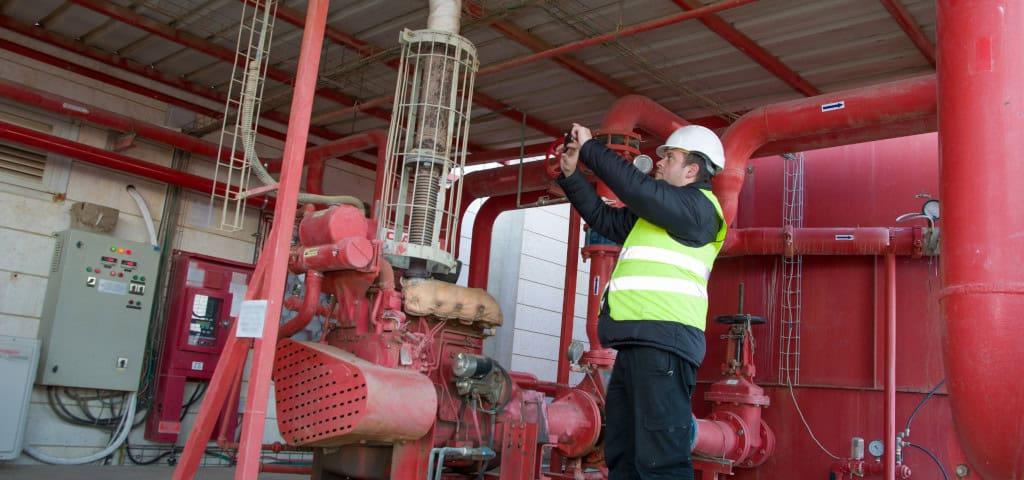
Learn proactive steps to increase the safety, effectiveness, and efficiency of yearly service
Building owners and managers must ensure regular inspection, testing, and maintenance (ITM) of fire sprinklers and other fire protection systems required by codes. Most of these fire protection inspection services occur once a year, an interval that aligns with key inspections and tests of water-based systems required by the National Fire Protection Association’s NFPA 25 standard.
Qualified fire protection professionals, whether outside contractors or on-site staff, should know what needs to be done and will guide you through the process. But there are some things property owners and managers can do to smooth an annual inspection and other service items before they happen—as well as during and afterward.
Key takeaways
Here is a high-level summary of key proactive steps, with links to more detailed sections featuring NFPA rules and examples of what can go wrong without prep:
- Know your ITM responsibility. NFPA standards make the property owner or manager (designated representative) “responsible for the proper inspection, testing, maintenance, and impairment management” of systems. Owners and managers are also responsible for resolving any issues, primarily through the services of qualified professionals.
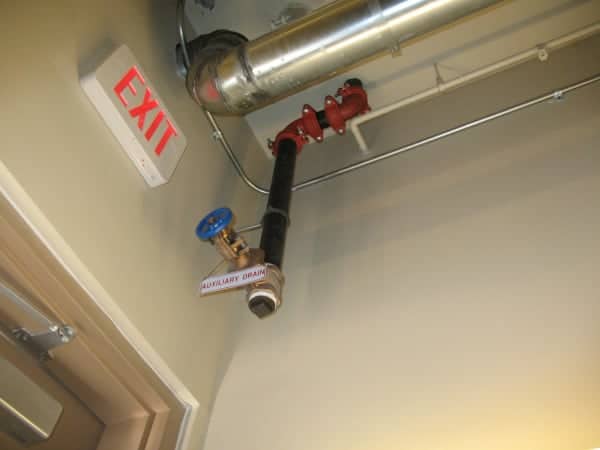
- Know the system’s drain locations. Fire sprinkler systems require annual main drain tests, and dry systems must be completely drained of excess water at multiple points before freezing weather. So, know where the main drain discharges to avoid water damage and other consequences, and locate auxiliary drains in dry systems to prevent sections of pipe from freezing.
- Make sure the pro has the access they need. That means allowing them anywhere in the building where they have to test or inspect something. Also, notify occupants in advance that work will be taking place to avoid surprises and delays.
- Prioritize fire protection worker safety. All precautions that building owners and managers must take to ensure the safety of staff and guests—and avoid liability—also apply to fire protection contractors.
- Confirm who is handling the alarm shut-off and notifications, if applicable to the system. You can notify relevant parties that an alarm will be off or send non-emergency signals, or a fire protection ITM pro can handle this for you—but they will need the relevant contact information for a monitoring service, the fire department, or both before work starts.
- Have your system inspection, testing, and maintenance records ready. NFPA 25 requires maintaining these records, and they make some tasks simpler and more effective—sometimes, even possible—when the pro working on a system can access them.
- Tell the service provider about any significant building changes. Using the structure for a different purpose, storing new, more flammable items, or conducting structural renovations could render a fire protection system ineffective. Communicate any changes to a service pro to avoid a much bigger problem during an emergency.
With these proactive steps in mind, let’s explore further details, including relevant NFPA rules and examples illustrating how proper preparation can make a difference.
Know your ITM responsibility
First, it’s vital to understand that while the qualified fire protection professional is responsible for providing adequate inspection, testing, and maintenance services, the building owner or their designated representative is responsible for ensuring they happen—and ultimately, for the system’s health. Legally enforceable building and fire protection codes require systems to be maintained, pointing to the NFPA 25 standard as the mechanism for doing that for water-based systems. NFPA 25 (along with other standards) outlines your role:
From the 2026 edition of NFPA 25
4.1.1* Responsibility for Inspection, Testing, Maintenance, and Impairment.
The property owner or designated representative shall be responsible for the proper inspection, testing, maintenance, and impairment management of water-based fire protection systems in accordance with this standard.
In practice, this means the building owner or representative is legally obligated to ensure that service by a qualified professional actually happens regularly. If the ITM pro finds any system issues, the owner or representative is also responsible for resolving them, whether by implementing very simple fixes themselves or signing off on repair work.
Dealing with these problems should always be done expediently, but the urgency and consequences depend on whether something is a noncritical deficiency, a critical deficiency, or a system impairment. You can read more about those classifications here.
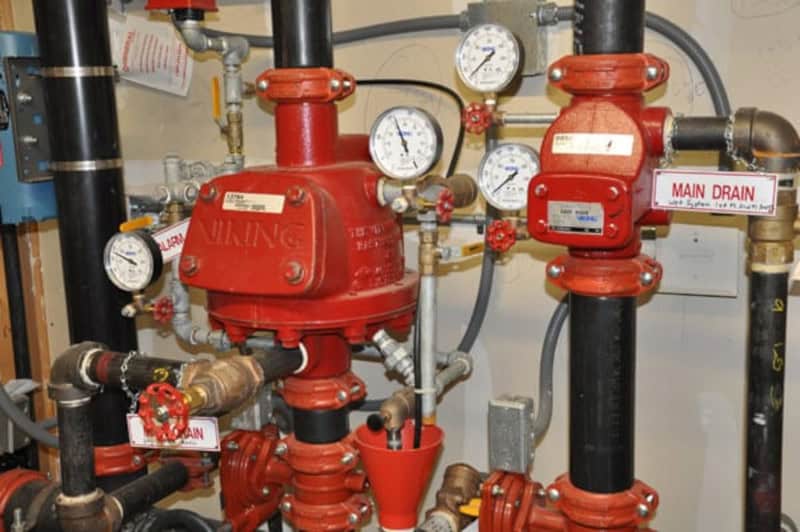
Know the system’s drain locations before a fire protection inspection
While fire protection inspection services are something you can mostly leave to the pros, some local knowledge can be a big help. One important item that can lead to some headaches if you ignore it involves the location of drains and where they lead.
A fire protection pro conducts annual main drain tests of fire sprinkler systems, which discharge a lot of water fast. You need to know where the water drains to avoid unintended consequences. Typically, the water discharges somewhere outside the building, though ITM contractors have reported some system designs that let it loose someplace you don’t want it—such as a finished floor in a file room. In addition, outdoor drains might be positioned to flood and destroy landscaping or deluge a sidewalk during winter, creating a slip-and-fall risk.
If you know where your system drains, you can work with the pro to mitigate any undesirable effects. This issue is common enough that NFPA 25 explicitly has a rule for it:
4.1.1.4* The owner shall coordinate with the entity conducting the inspection, testing, and maintenance activities to minimize any water damage caused by the discharge of water.
In addition, many systems, particularly dry sprinkler systems, have “auxiliary” drains in addition to the main drain to release water that may get otherwise trapped in certain portions of the system. These sections of pipe in dry systems need to be drained before cold weather hits, and any water freezes.
Sometimes it’s a challenge to find them, which is why NFPA 25 requires listing the locations “of auxiliary drains and low-point drains” on the system’s general information sign near the system’s main riser (4.1.10.2). So, make sure this list is up to date—or work with a pro to get it current if it’s not.
Not having this information handy can lead to liability issues if a portion of the system freezes and requires extensive repairs, or fails to perform its job during a fire.
Give the pro the access they need for a fire protection inspection
You must provide the pro access to all locations needed to complete ITM tasks. It’s both a common-sense best practice and a rule in NFPA 25 (4.1.3). Ahead of time, this means knowing where the “service features” are in the building.
An obvious location in a fire sprinkler system is the main riser room, but the pro will also need access to any area where they need to test or inspect something. This includes any valve, such as a control valve that controls water to a portion of the system, plus basically all places where sprinkler heads, pipes, and fittings are visible “from the floor level.” Ensure that the doorways leading to these spaces are unlocked and otherwise accessible to avoid delays in the job.

It’s also important to notify occupants that work will be done. This is especially relevant in buildings with tenants, whether office spaces, industrial businesses, or multifamily residents. Building owners or managers should notify all relevant parties, so the service is expected, access is granted, and everything goes smoothly.
Prioritize worker safety
Just as maintaining a safe environment is vital for occupants and guests, it also applies to fire protection professionals. NFPA 25 says that ITM “activities shall be conducted in accordance with applicable safety regulations (4.11.1),” including following Occupational Safety and Health Administration (OSHA) rules, ensuring legally required equipment is used when fall protection is necessary, and taking precautions for and notifying personnel of any hazardous materials onsite.
In addition, NFPA 25 allows inspections and tests of “equipment installed in areas that are inaccessible for safety considerations” to be done during a “scheduled shutdown” of the equipment for safety reasons. If this applies to your situation, coordinate these activities ahead of time with the fire protection ITM pro and your authority having jurisdiction (AHJ).
A good rule of thumb is to treat fire protection pros like employees and guests, from both safety and liability perspectives.

Confirm who’s handling the alarm shutoff during fire protection inspections and tests, if applicable
ITM tasks often involve activities that require an alarm system to be shut off or notifying the monitoring service or authority having jurisdiction that they will receive a non-emergency alarm signal. NFPA 25 (4.1.4) specifies that it is the property owner or designated representative’s responsibility to “notify the authority having jurisdiction; the fire department, where required; and the alarm-receiving facility.”
You can do it, or the fire protection inspection services provider can communicate with relevant parties on your behalf. If it’s the latter, give them the right account information and/or point of contact!
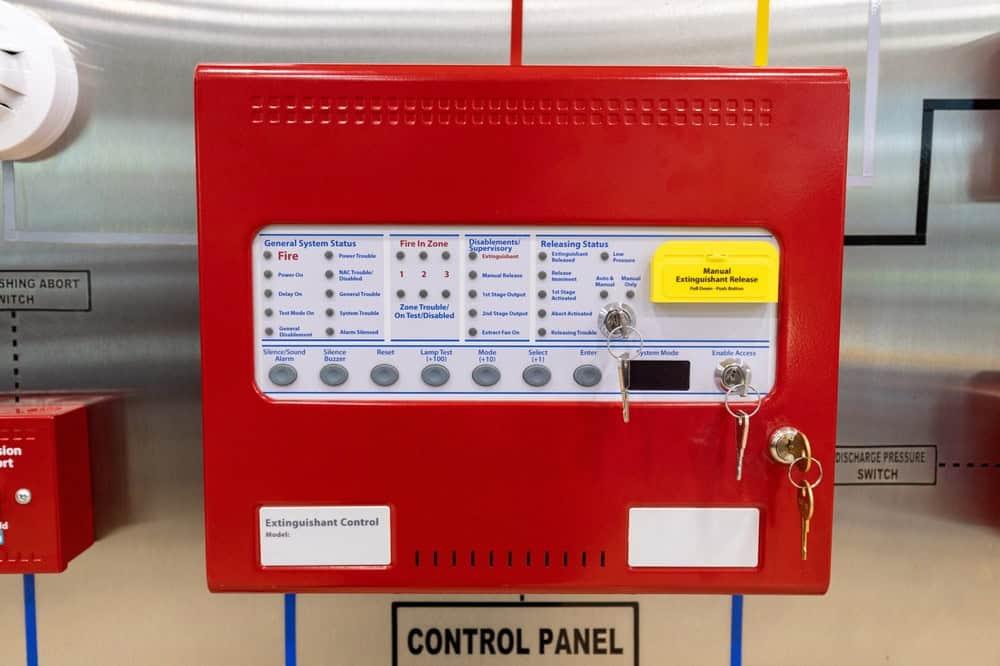
Have your fire protection system inspection, testing, and maintenance records on hand
The ITM pro working on your system may ask for documentation of past inspections, tests, and maintenance tasks, especially if they didn’t work on it the last time. One reason is that they need to see whether relevant activities, many of which must be completed at intervals other than a year, have been completed.
In addition, an ITM history points to a system’s historical problem areas and records important system measurements, such as pressure readings, that tie to current inspections and tests.
Maintaining system ITM records is also legally mandated. NFPA 25 makes owners responsible for keeping records (hard copies or electronically) “for a minimum period of 1 year after the next inspection, test, or maintenance of that type required by the standard” (4.3.1.1, 4.3.5). It also spells out what must be in these documents:
4.3.2 Records shall indicate the following:
(1) The procedure/activity performed (i.e., inspection, test, or maintenance)
(2) The organization that performed the activity
(3) The required frequency of the activity
(4) The results and date of the activity
(5) The name and contact information of the qualified contractor or owner, including the qualified personnel performing the activity
Fortunately, qualified fire protection ITM providers know these rules and usually provide reports with sufficient detail. So, keep them and have them available for the next professional who works on your system.
Be ready to discuss changes to the building
An under-appreciated to-do item during an inspection—and ideally, way before one—is to discuss any significant changes to the building, what is stored there, or its use.
All fire protection systems, particularly fire sprinkler systems, are designed based on an assessment of the building’s occupancy hazard level, including any contents, the layout, and other factors. This is why NFPA 25 stipulates that the “property owner or designated representative shall not make changes in the occupancy, the use or process, or the materials used or stored in the building without evaluation of the fire protection system(s) for its capability to protect the new occupancy, use, or materials [4.1.7].”
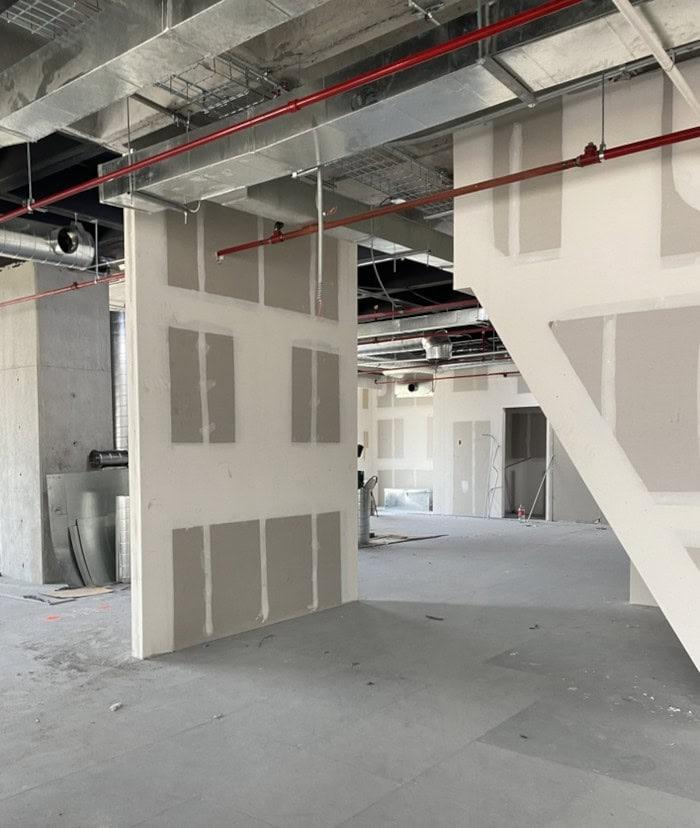
Significant changes can impair the system’s ability to do its job. For example, renovating a space and knocking out or adding interior walls can disrupt fire sprinklers’ intended spray patterns and spacing, impairing their ability to control a fire. If the building starts storing highly flammable material, the system may also become insufficient.
Be prepared to address any changes in the building that occurred since the last inspection. This information helps verify that the system can still do its job. And, per NFPA rules, the ideal time to have this conversation is before making any significant changes.
A little prep goes a long way toward an efficient fire protection inspection
Bookmark our checklist to help make your next system inspection efficient and effective—and engage with your fire protection inspection services provider to check if there’s anything else they need. System upkeep shouldn’t be a major hassle, but it does require some collaboration and coordination, rather than being a set-it-and-forget-it task.
Another proactive step you can take before an inspection is to ensure your spare fire sprinkler cabinet is properly stocked with the right NFPA-mandated items. Here’s how to do that, and QRFS carries the fire sprinklers, sprinkler wrenches, and spare-head cabinets you may need.
If you have any questions, just contact our expert customer service team!
This blog was originally posted at blog.qrfs.com.
