The problem
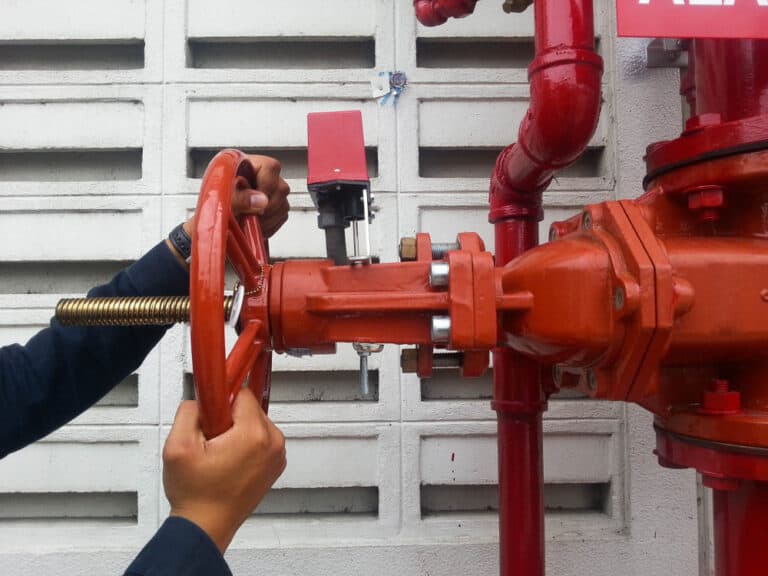
A control valve that’s broken, corroded, or stuck can bring your entire fire sprinkler system to a halt. These valves control access to the water supply, ensure proper drainage during maintenance, and must be ready for emergencies. Over time, corrosion, tampering, and lack of inspections can lead to finding a handle that’s seized, broken, blocked, or gone entirely.
If you spot a control valve with a non-functioning handle—whether it’s corroded, stuck in the open or closed position, or simply missing—it’s imperative to fix the problem, which may involve replacing the valve. A broken control valve can be a major liability, leading to failed inspections, an inoperable sprinkler system during a fire, or a flood that can’t be controlled after a sprinkler activates.
Why this matters
A functioning control valve is critical to fire protection and life safety. National Fire Protection Association (NFPA) research shows that the most common reason for sprinkler system failure is a closed control valve. That’s why NFPA 25, the inspection, testing, and maintenance standard for fire sprinklers, sets strict inspection requirements:
- Control valves that are not locked or supervised to ensure they stay in the open position must be inspected weekly (2023 edition: 13.3.2.1)
- Control valves that are locked must be inspected monthly (13.3.2.1.1)
- Control valves that are electrically supervised must be inspected quarterly (13.3.2.1.2)
Qualified individuals conduct a six-point inspection during the proper interval (13.3.2.2), and a broken, stuck, or corroded handle means the system isn’t “accessible.” This visual inspection may not identify a stuck handle, but a yearly test mandated by NFPA 25 will:
13.3.3.1 Each control valve shall be operated annually through its full range and returned to its normal position.
A failed inspection or test is a system “deficiency” that must be remedied.
The fix
If a control valve’s handle is broken, corroded, or leaking, a professional should replace the valve ASAP. If the handle is stuck, a pro can start by completing a key annual maintenance step outlined by NFPA 25 and most valve manufacturers: lubricate the valve. If it doesn’t free up, it should be replaced.
Buyer’s guide
When choosing a control valve, the most basic initial step is to replace the type of valve a system has, especially its connection type, and otherwise choose whether a valve is electrically supervised, and whether that supervision is prewired or not. Here are some options:
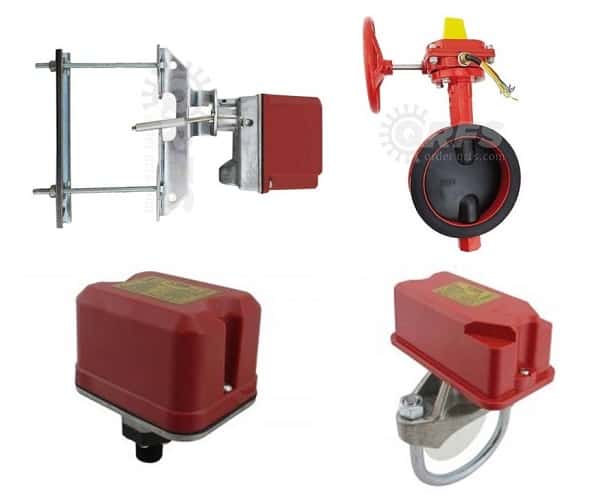
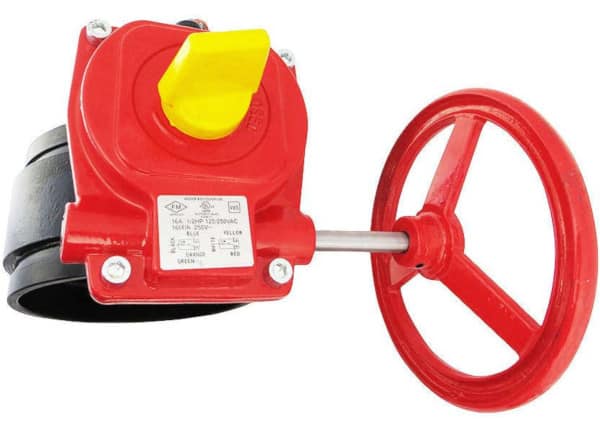
- Butterfly control valves that are prewired with electric supervision, which may have grooved, threaded, or wafer connections
- Powerball valves with tamper switches
- OS&Y valves, which may be outfitted with separate tamper switches
If you have questions or need a valve that is not in QRFS’s online inventory, contact us!
Product recommendations
FAQs
What to do if a control valve handle is stuck?
A pro may try lubricating it as part of regular maintenance, followed by testing the valve handle to see if it moves through its full range of motion. A valve that fails to become unstuck may be corroded shut, requiring valve replacement.
Will a fire sprinkler system operate if the control valve is stuck or broken?
The system will likely operate during a fire IF the valve is stuck in the OPEN position (it will not operate if the control valve is closed). However, a missing or inoperable handle that keeps the system stuck “on” prevents easily shutting the water off once a sprinkler activates.
How often should control valves be inspected?
Depending on whether it is locked or electrically supervised: weekly (no lock or supervision), monthly (locked), or quarterly (supervised), per NFPA 25.
Should replacement valves match the old ones?
Yes, including the presence of any electric supervision and the connection type (grooved, threaded, or wafer), which will ensure system compatibility and integrity.