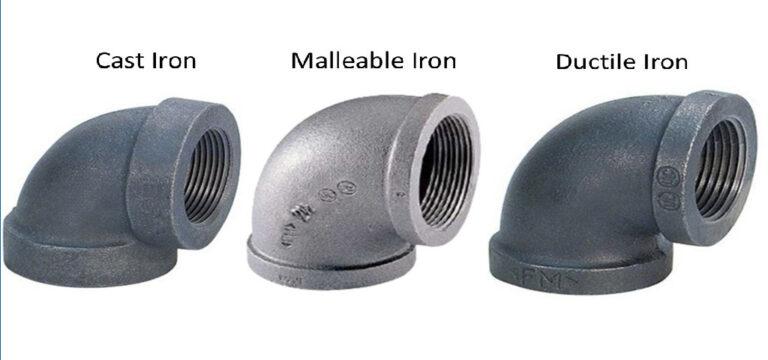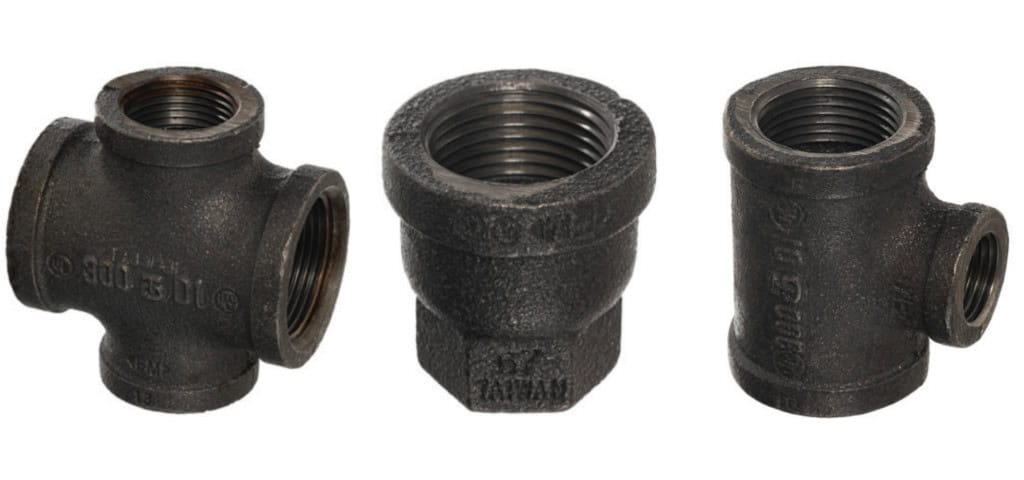
The problem
There are several iron types to choose from when purchasing and installing the fittings that connect metal fire sprinkler pipes. You may wonder which material is better or acceptable to use. Fortunately, cast iron, ductile iron, or malleable iron can all work just fine—but there are some pros, cons, and key factors to consider.
Why this matters
NFPA 13 details which materials and specific equipment can be used in various fire sprinkler system components. It specifies that many parts must be listed or conform to additional specs in other relevant standards.
Fittings don’t need to be listed, though they can be. If they aren’t, NFPA 13’s Section 7.4.1 (2025 edition) and its table specify that fittings “shall meet or exceed the standards” outlined in several external documents, including standards from the American Society of Mechanical Engineers (ASME):
- Cast iron fittings: ASME B16.4 (threaded) or ASME B16.1 (flanged)
- Malleable iron fittings: ASME B16.3
- Ductile iron fittings: The standard doesn’t mention ductile iron, but these fittings are often “listed” for use up to various pressures. NFPA 13 says you can use any system parts “when installed in accordance with their listing limitations, including installation instructions.”(2025: 7.4.4)
So, if the manufacturer’s data sheet states that a metal fitting conforms to relevant standards or that the product is listed for the application, installers can use it, subject to additional rules.
The fix
You must follow NFPA 13 rules for using either standard-pattern weight or extra-heavy pattern weight cast iron or malleable iron fittings based on size and pressure:
- Standard weight “cast iron fittings 2 in. (50 mm) in size and smaller shall be permitted where pressures do not exceed 300 psi.”
- Standard weight “malleable iron fittings 6 in. (150 mm) in size and smaller shall be permitted where pressures do not exceed 300 psi.”
- “Fittings not meeting the requirements of 16.8.3.1 and 16.8.3.2 shall be extra-heavy pattern where pressures exceed 175 psi (12 bar).”
Ductile iron fittings aren’t specifically mentioned in NFPA 13, but many are listed under various pressure tolerances. For example, Lansdale ductile iron fittings are UL Listed and FM Approved up to 500 psi.
Buyer’s guide
Choose a fitting with a listed or otherwise compliant material based on the pros and cons of each material:
- Cast iron: Considered the lowest quality, as it has less flexibility and tensile strength. However, it’s lower cost and perfectly fine, as long as it conforms to ASME standards and NFPA 13 rules. It’s also often made in the US.
- Malleable iron: More flexibility and tensile strength than cast iron, but may cost more than cast iron. Also popular in the US and often American-made.
- Ductile iron: Considered the highest quality option based on its flexibility, tensile strength, and pressure resistance while still being economical. It is typically made overseas.
Regardless, any fittings made from these listed materials or that otherwise conform to NFPA 13 will work! Always check the manufacturer’s listings, approvals, and standards.
Product recommendations
FAQs
Do all three materials meet NFPA 13 requirements?
Yes—if they conform to ASME standards specified in NFPA 13 or are properly listed for fire protection use. Always check the manufacturer’s documents to be sure!
How do I confirm a fitting is compliant?
Check the manufacturer’s data sheet for relevant ASME standards, listings (such as UL Listed and/or FM Approved), and pressure ratings before installation.
Are there drawbacks and benefits to using ductile iron?
It’s considered the most modern material, with better pressure resistance due to its combination of ductility and strength. It can also be fairly inexpensive. However, it’s often made overseas, so ensure a specific project can still meet any ‘Buy American’ rules while using these parts (if applicable).
Can I mix different iron fitting materials in the same system?
Yes, as long as each fitting meets NFPA 13 requirements and is appropriate for the pipe size, system pressure, and application.