The problem
If you’ve got a FlameGuard® CPVC fire sprinkler system, you’ve got several options for the adapters that let you attach fire sprinklers to the pipe network. Options are a good problem to have, but they could create confusion during installation or repairs. Should you stick with standard adapters, or is there a benefit to using TorqueSafe™, QuickTorque™, or SofTorque™ fittings—and which one?
Sprinkler fitters and maintenance pros need an adapter that allows them to install sprinklers efficiently and reliably—and models with “torque” in their name can reduce the risk of damage while doing it.
Why this matters
CPVC sprinkler systems rely on solvent cement to chemically weld pipes and fittings together. But sprinkler heads still require threaded connections, which means they need an adapter. However, traditional threaded adapters can crack from overtightening, become damaged during sprinkler alignment, or run into chemical incompatibilities.
The TorqueSafe™, QuickTorque™, and SofTorque™ adapters are specifically designed to reduce these risks. Unlike standard adapters, they have gaskets that eliminate the need for paste or tape thread sealants, helping avoid compatibility problems with CPVC materials. Each adapter also has a reinforced structure that helps installers tighten and align sprinklers without applying excessive torque.
Proper installation involves:
- Hand-tightening the sprinkler until it contacts the gasket
- Applying one complete turn with a wrench
- Using up to one additional turn for final sprinkler alignment
All three adapter types are certified by NSF International for potable water use, making them suitable for multipurpose residential systems subject to lead-free and low-lead requirements.
The fix (and buyer’s guide)
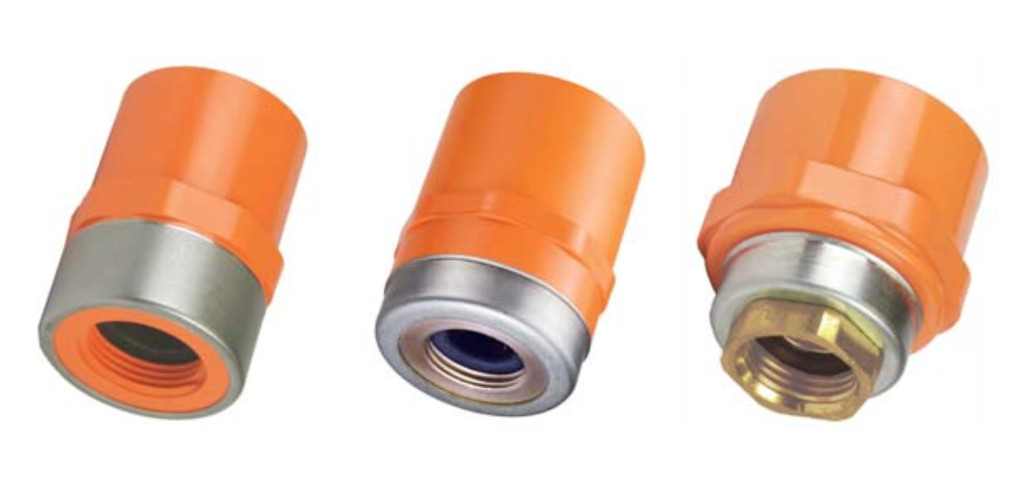
The TorqueSafe, QuickTorque, and SofTorque CPVC sprinkler adapters all solve the same core problem: preventing overtightening and reducing stress on CPVC sprinkler fittings without requiring thread sealant.
The main differences come down to thread durability and reinforcement:
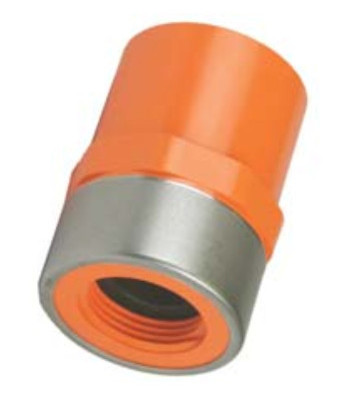
- SofTorque adapters have plastic threads surrounded by a stainless-steel collar. The collar compresses the plastic to help prevent cracking from overtightening.
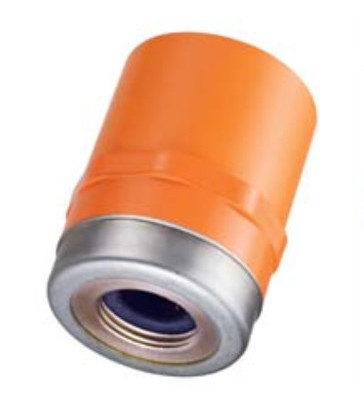
- QuickTorque adapters function similarly to SofTorque but use stainless-steel threads. This metal provides added protection against cross-threading and damage during installation.
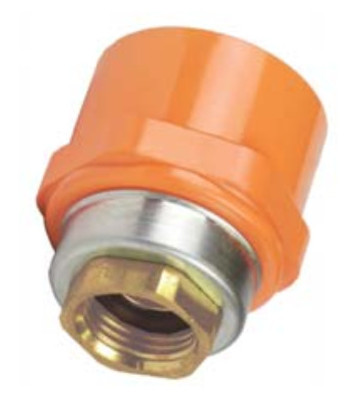
- TorqueSafe adapters, the newest model, use a molded-in-place brass thread insert. This is the most durable option, making it the most worry-free choice for installers who want maximum reliability.
All three adapters:
- Help prevent overtightening
- Reduce radial stress on the fitting
- Eliminate the need for paste or tape sealants
- Allow easier sprinkler alignment during installation
In most cases, the choice comes down to installer preference, project specifications, durability requirements, and budget.
Product recommendations
FAQs
No. TorqueSafe, QuickTorque, and SofTorque adapters are all designed to seal without paste or tape thread sealants. This eliminates the risk of any CPVC coming into contact with incompatible chemicals in thread pastes, dopes, lubricants, or tapes.
Cross-threading occurs when threads are misaligned and cut across each other during installation, damaging the threads. QuickTorque adapters help reduce this risk with stainless-steel threads, while TorqueSafe does it with brass threads.
They help prevent overtightening, reduce stress on CPVC fittings, and make sprinkler alignment easier during installation.
Yes. All three adapters are certified by NSF International for low lead content and use in multipurpose residential systems, as well as being UL Listed and FM Approved for fire protection use.