Preparing Fire Protection Systems for Hurricanes and Restoring Them to Service
As the threat of hurricane flooding grows greater, QRFS explains how to get your system ready for a storm—and how to restore it to service after the water recedes.
A property condition assessment ensures that life safety systems are working and up to code—avoiding expensive surprises in a commercial real estate deal.
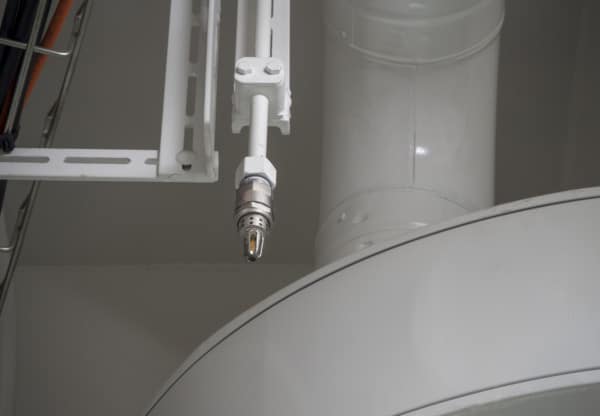
Growth in the use of automatic fire sprinklers continues to surge thanks to a combination of technology innovation, regulatory trends, and growing documentation on the effectiveness and reliability of fire sprinklers across industries and sectors.
Powered by small water droplets, water mist fire suppression systems may outperform conventional fire sprinkler systems and their usual alternatives. QRFS looks at how water mist systems work, their types, usage, and maintenance in accordance with NFPA 750.
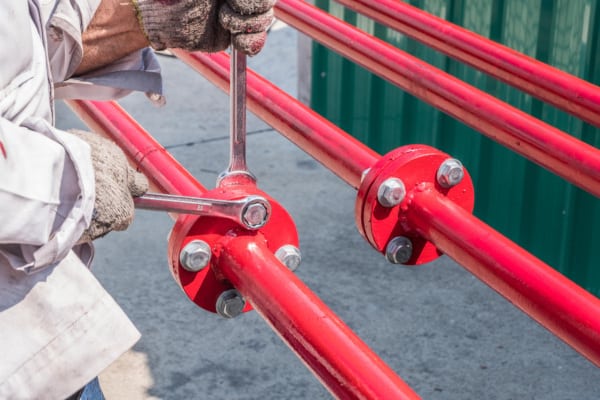
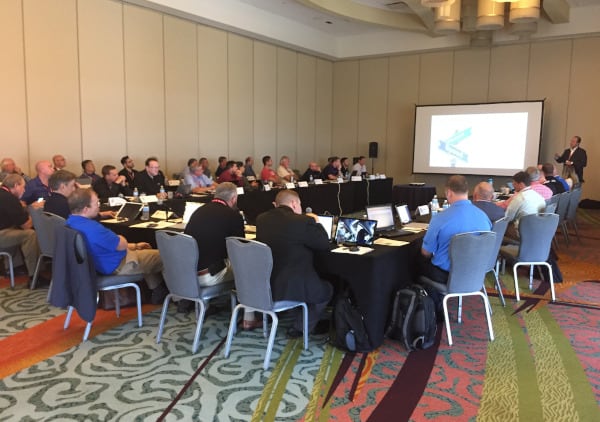
Digital inspection, testing, and maintenance reporting is increasing, with implications for fire system safety and fire code. A recent summit held by the NFSA and AFAA examined the issue with the aim of “Getting to 100% Compliance.” QRFS explains the promise and challenges of digital ITM reporting.
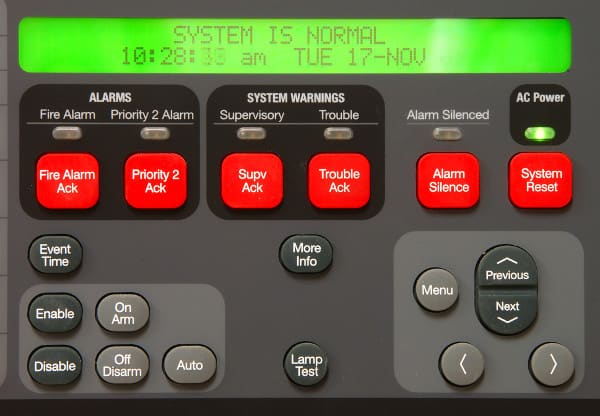
Fire alarm control panels can interface with hundreds of life-saving devices simultaneously. QRFS looks at how fire code and the features of today’s fire panels streamline evacuation and emergency response efforts.
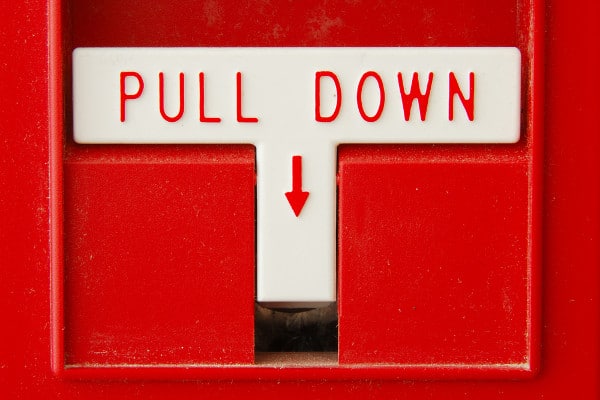
Fire alarm pull stations are an essential first line of defense in life safety – and the National Fire Protection Association and governments require them in most public buildings. QRFS explains the types of pull stations, how they work, and what code says about installing them.
After a series of incidents in which antifreeze ignited after sprinklers deployed during a fire, NFPA investigated and began issuing new guidelines for its use in 2010. QRFS explains the current status of using antifreeze in fire protection systems, as well as alternatives for freeze protection.
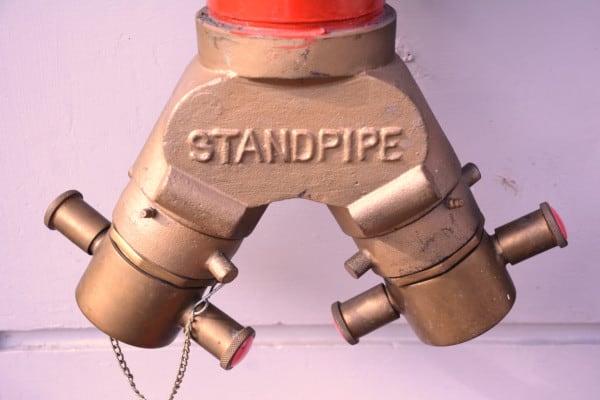
This article provides an overview of the different types and classes of standpipe systems, as well as explains when they are required according to NFPA 14, the International Fire Code, and the International Building Code.
Learn how local laws, personal references, and smart questions can help you choose a qualified fire sprinkler contractor or fire protection company.
In the second installment in our fire inspection series, this blog helps you find a qualified 3rd-party fire inspector for your building or business.