The problem
Dry pipe sprinkler systems are built for cold environments—but they’re not immune to the effects of freezing. Even though most of the system’s pipe network contains pressurized air or nitrogen, small amounts of water can still collect from things like condensation or system activation, whether the latter is from testing or a fire.
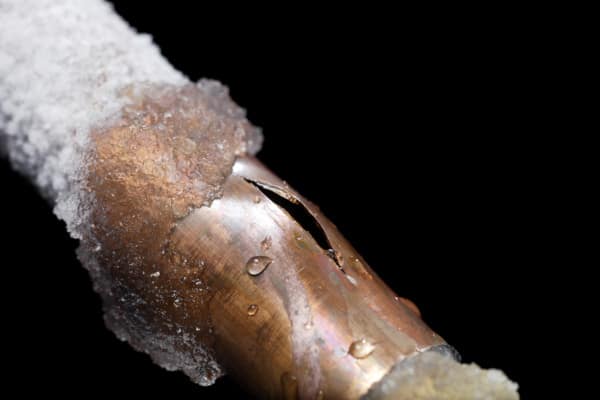
If you don’t complete proper winterization steps before temperatures drop, any trapped or leftover water freezes. When it does, it can cause significant damage, leading to costly repairs. The system will also be out of compliance with codes and standards, and worse, it may fail to control a fire.
Why this matters
NFPA 25 requires building owners to take action before and during freezing conditions to keep systems operational and compliant. Again, even in dry systems, certain components still contain water and must be protected from freezing.
Failure to meet these requirements can result in blocked sprinklers and pipes, damaged pipes and leaks, system failure during a fire event, and deficiencies after an inspection. Sufficient freeze damage could even trigger leaks that cause an unintentional system activation.
These aren’t theoretical risks—they directly impact whether your system is code-compliant—and will work when it’s needed.
The fix
NFPA 25 outlines the required inspection, testing, and maintenance (ITM) steps to prepare dry fire sprinkler systems before freezing weather and ensure they work during it. The items below aren’t everything—ITM pros will do additional work—but they are the essentials.
The first rule is something that applies to all system types:
The property owner or designated representative shall ensure that water-filled piping that is subject to freezing is maintained at a minimum temperature of 40°F (4°C) (NFPA 25, 2026: 4.1.2).
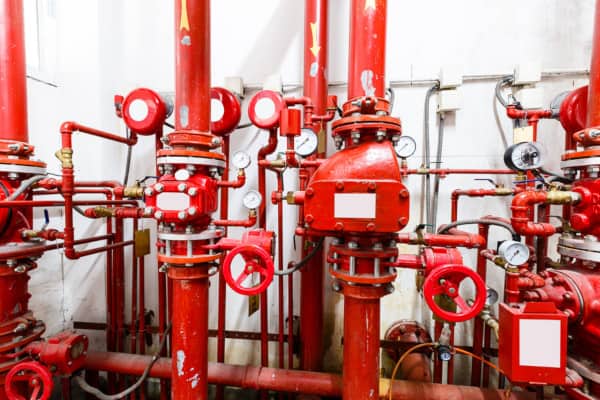
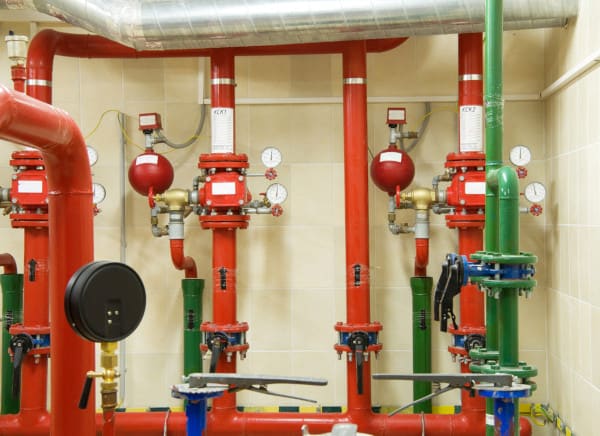
This doesn’t apply to most of a dry system. However, the dry pipe valve, control valve, some pipe, and other equipment near the water supply are in a protected “valve enclosure” (sometimes called a “valve room”) that must remain heated. This creates specific inspection and testing requirements:
- Ensure all valve enclosures are maintained above 40°F (4°C) during winter, inspecting them:
- Daily, if no low-temperature alarm is installed (4.1.2.5)
- Weekly, if a low-temperature alarm is installed (4.1.2.5.1)
- If you have low-temperature alarms, they must be inspected annually for damage “toward the beginning of the heating season” (4.1.2.5.2).
- Test low-temperature alarms annually “toward the beginning of the heating season” (13.4.5.2.7). On older alarms, a fire protection pro may expose the temperature-sensing element to a lower temperature using an ice bath or a spray. Newer models have self-testing or software-based options.
There are also annual testing requirements for the dry pipe valve:
- Ensure a fire protection ITM pro trip-tests the dry pipe valve annually “during warm weather (13.4.5.2.2*).”
- The annual requirement is a partial test, during which water flows only to a limited area near the dry pipe valve (13.4.5.2.2.3).
- Every three years, this must be a full trip test that floods the entire system (13.4.5.2.2.2).
In addition, the essential winterization requirements include proper drainage:
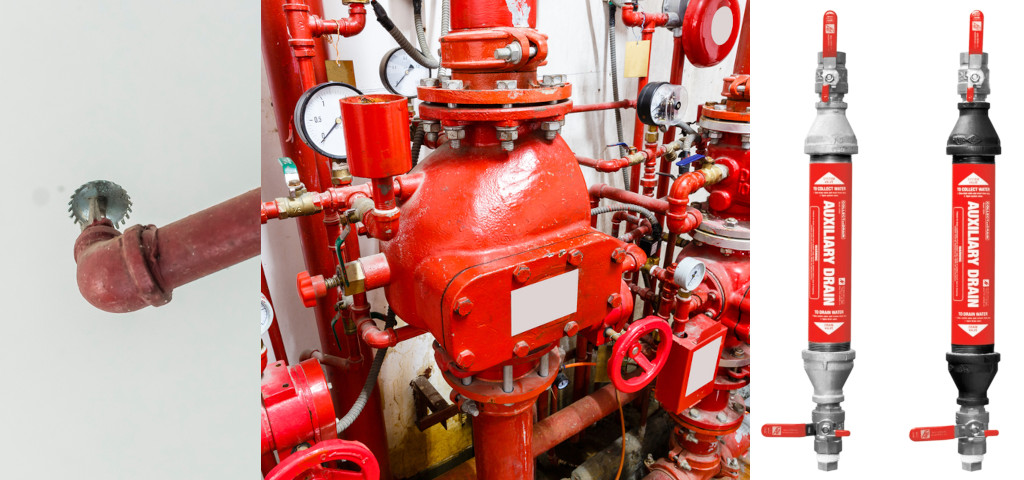
- Drain all auxiliary drains “toward the beginning of the heating season prior to the onset of freezing conditions (13.4.5.3.3).” Auxiliary drains release water from “trapped” sections of pipe that won’t flow to the main drain.
- Ensure signage is present “at the dry valve indicating the number of auxiliary drains and the location of each individual drain (13.4.5.1.1).” This helps ensure no trapped sections of pipe are missed.
Completing these winterization steps—including verifying that a fire protection pro otherwise fully services the system—is vital for achieving compliant, protected, and working dry systems.
Product recommendations
FAQs
Before the onset of freezing conditions, typically at the beginning of the heating season. Some of NFPA 25’s annual requirements for these systems don’t specify when to do them; however, scheduling a pro to do everything at once before winter is efficient.
They remove trapped water that can freeze and damage pipes or block system operation. The pipes in dry systems are pitched so that water drains easily from the system. However, some sections of pipe are laid out in a way that can prevent that water from exiting without auxiliary drains.
Systems need to access a water supply, so water will necessarily be present in the valve enclosure area. It can also collect due to condensation, testing, or system activation, intentional during a fire or otherwise.