

What is a Fire Riser Room? IFC and NFPA Requirements
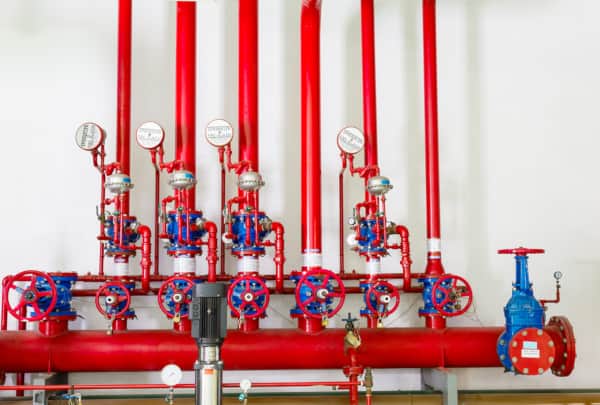
QRFS explains why buildings need these fire sprinkler control centers, where they must be placed, and how fire riser rooms must be maintained.
QRFS explains why buildings need these fire sprinkler control centers, where they must be placed, and how fire riser rooms must be maintained.
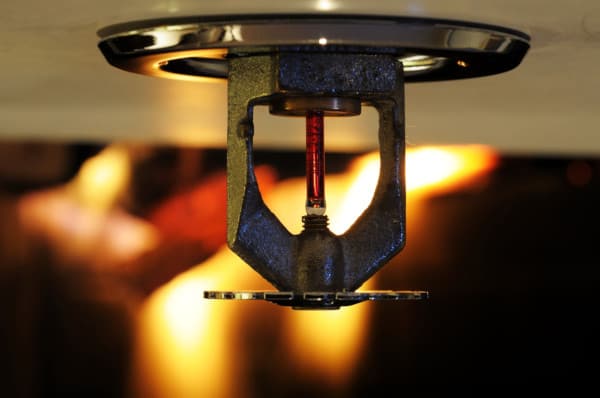
Human error causes the majority of fire sprinkler failures. QRFS completes its examination of the biggest mistakes that leave people and property unprotected from fire.
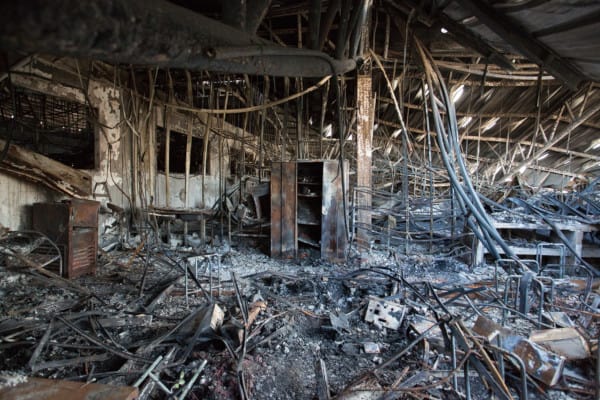
Human error causes the majority of fire sprinkler failures. QRFS explains the biggest mistakes people make that lead to system malfunctions.
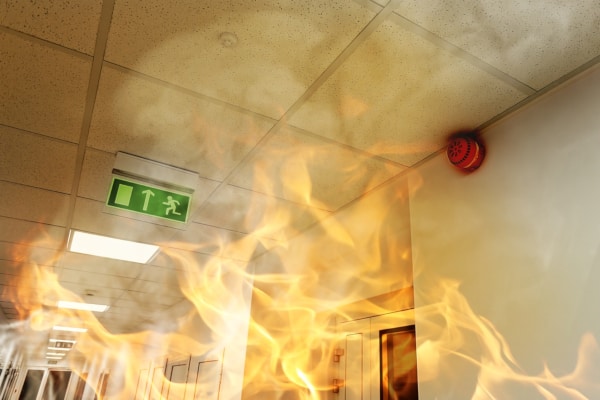
QRFS breaks down NFPA 101’s requirements for fire alarm systems in healthcare occupancies, day cares, and residential dwellings ranging from family homes to apartments.
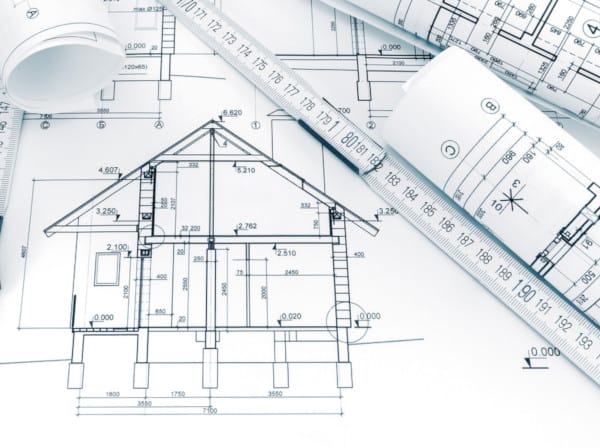
QRFS looks at how specific states and cities have embraced or fought the International Residential Code’s (IRC) mandate to install residential fire sprinklers in all new homes.
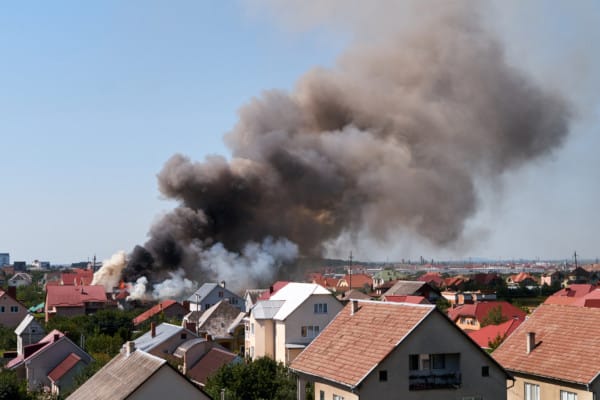
Model building codes have required residential fire sprinklers for years but few states have adopted this requirement. This article explains the current legislative battles and provides an overview of current codes.
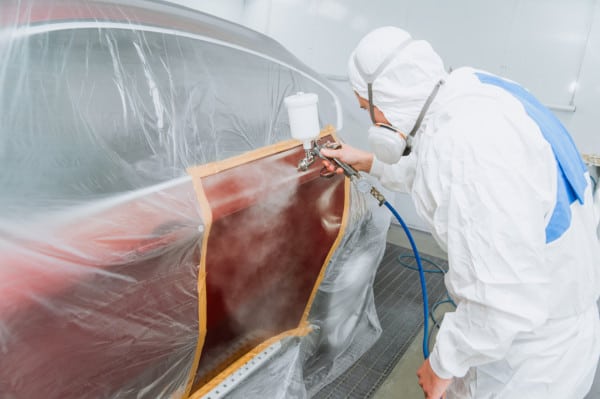
QRFS explains fire protection for automotive paint spray booths & areas, introducing NFPA standards plus the appropriate use of fire sprinkler systems.
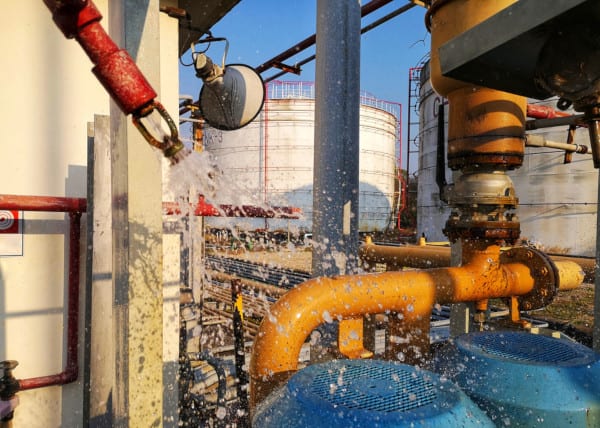
QRFS continues its series on dry sprinkler testing requirements by detailing the quarterly and semiannual tests required by NFPA 25.
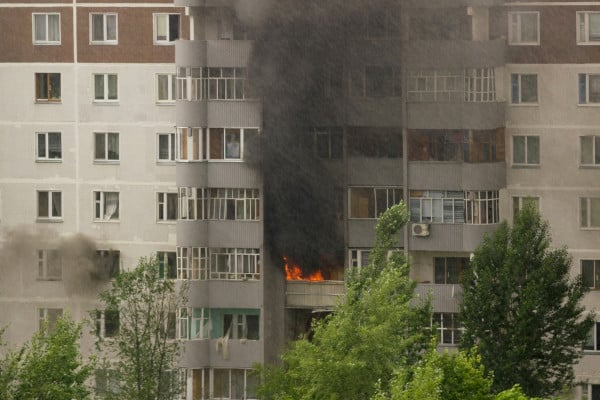
Fire sprinkler installations are becoming increasingly popular as more state and local governments adopt model codes (partially or in whole) as laws. This article highlights current trends & legislative activity.
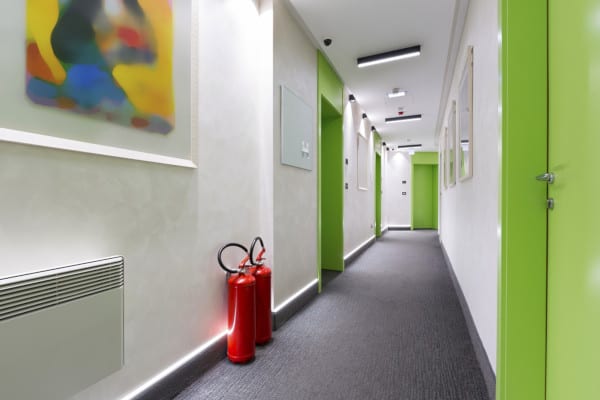
The Americans with Disabilities Act helps wheelchair users and people with visual impairments safely navigate buildings and use life-saving devices. QRFS looks at ADA fire extinguisher height, pull station placement, and other rules designed to allow people with disabilities full access to these life-saving devices.

An overview of the fire protection requirements for storage facilities, which are often fewer than many other occupancy types.

QRFS explains how to inspect and record accurate histories of life safety rope, helping fire departments determine whether they are still safe for service.

QRFS explains best practices for caring for life safety rope, meeting NFPA requirements, and avoiding damage that can put firefighters’ lives at risk.
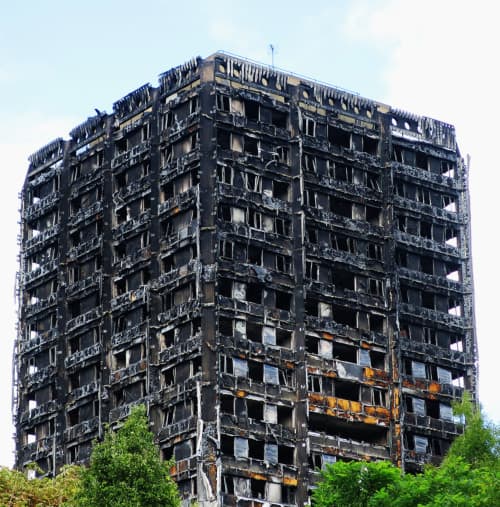
QRFS looks at the latest updates on Grenfell Tower, explaining what’s known about the fire’s causes and fallout before turning to the question of whether fires like this could happen in the United States.
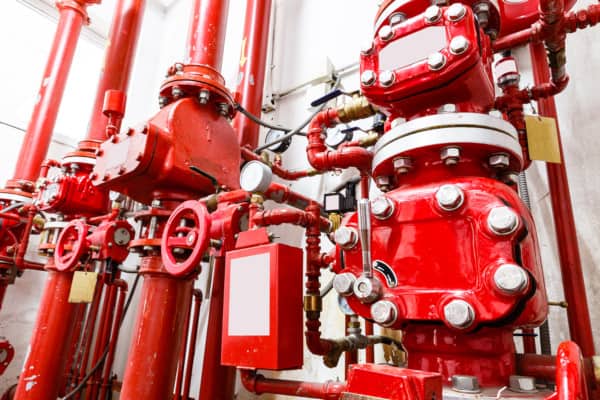
QRFS begins a multiple-part series on NFPA 25 testing requirements for dry sprinkler systems with daily, weekly, and monthly requirements.
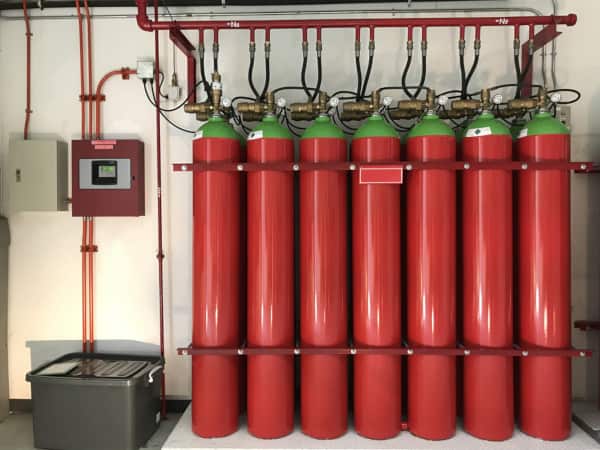
QRFS explains why replacing corrosive air with nitrogen can substantially extend the life of dry sprinkler systems.
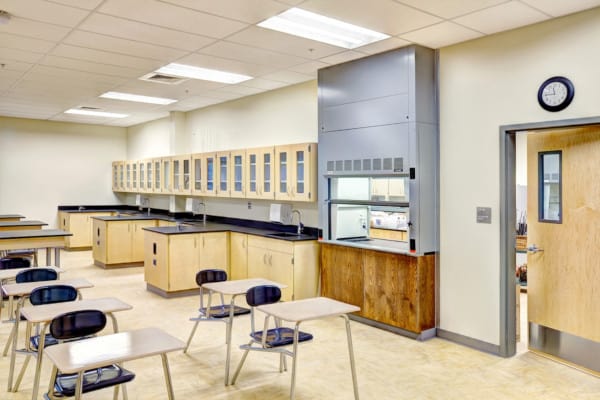
QRFS looks at how today’s life safety codes tackle the issue of school shooting prevention, explaining why many building codes prohibit the use of barriers, how fire alarms can be protected against malicious use, and how new codes streamline emergency responses to an active shooter situation.
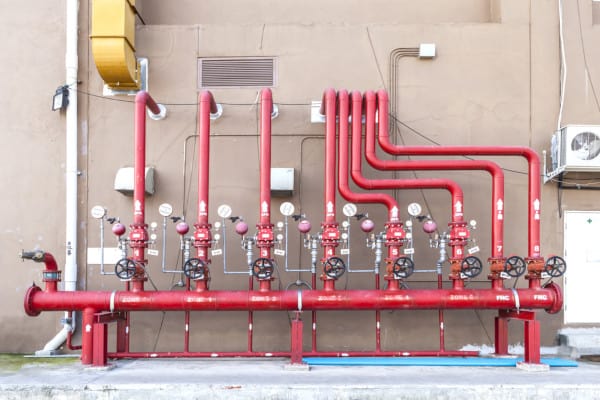
QRFS finishes its thorough guide to meeting NFPA 25 timelines for dry sprinkler system inspections, covering the longer deadlines for various components.