

Digital Pressure Gauges in Fire Sprinkler Inspection, Testing, and Maintenance
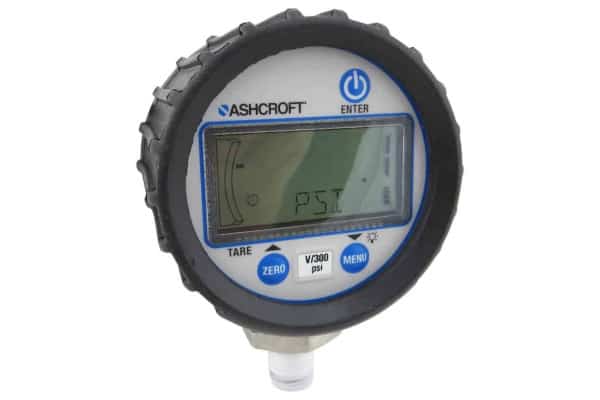
Learn why handheld digital pressure gauges are bringing flexibility, accuracy, and greater convenience to standpipe and fire protection ITM tasks.
Learn why handheld digital pressure gauges are bringing flexibility, accuracy, and greater convenience to standpipe and fire protection ITM tasks.
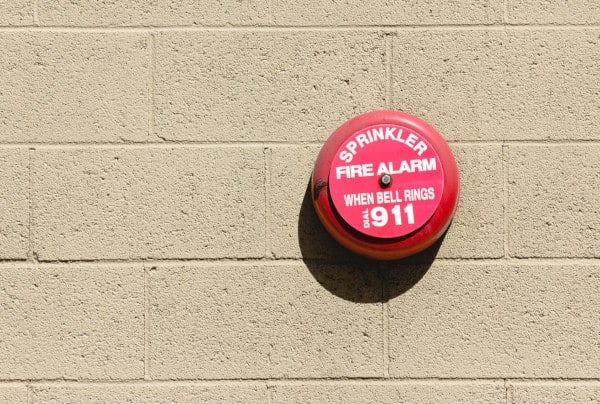
Fire alarm bells connected to the system riser can provide first responders with essential information—and encourage passersby to quickly call the fire department. Learn what NFPA standards have to say about joining fire alarm bells and water motor gongs to fire risers in both standpipe and fire sprinkler systems.
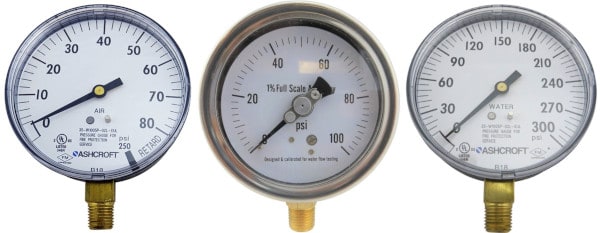
Handheld pitot gauge kits make flow tests easy. But it’s important to match pitot tube pressure gauges to the flow rates and orifice sizes you’ll be testing.
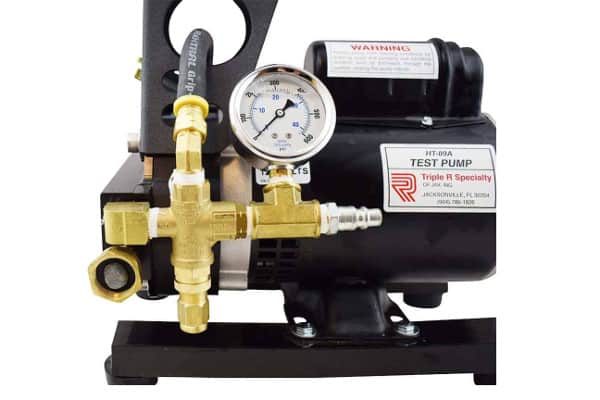
QRFS explains when manual priming is required by a gravity feed – even for self-priming hydrostatic test pumps.
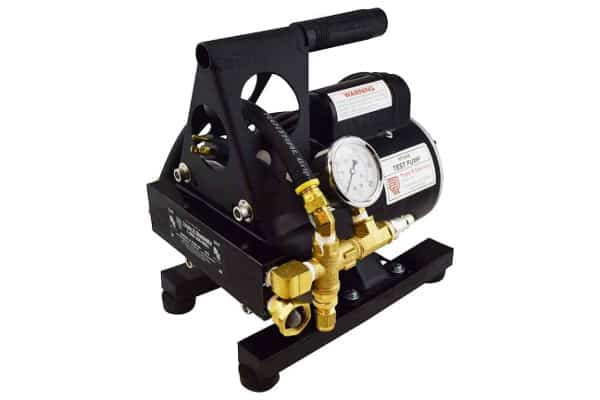
QRFS examines hydrostatic test pumps: the device that enables a critical fire protection system test that ensures piping networks can handle the pressure.
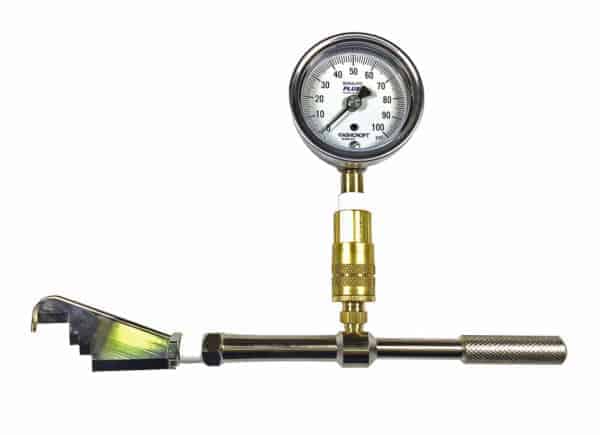
QRFS makes using a pitot gauge to calculate gallons per minute simple: convert PSI to GPM manually or with this convenient online calculator.
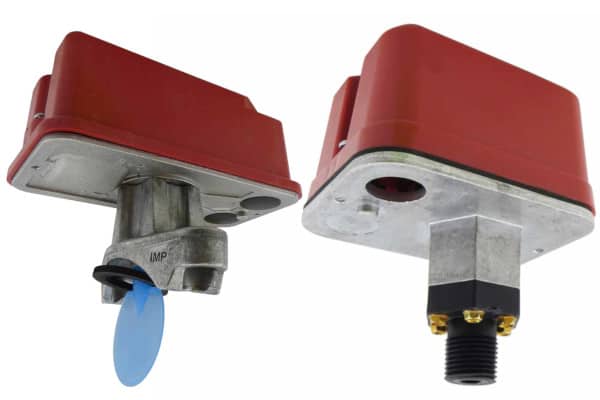
Flow and pressure switches may look similar, but choosing the wrong type can have serious consequences for fire protection systems. Learn about their construction, use, and code requirements.
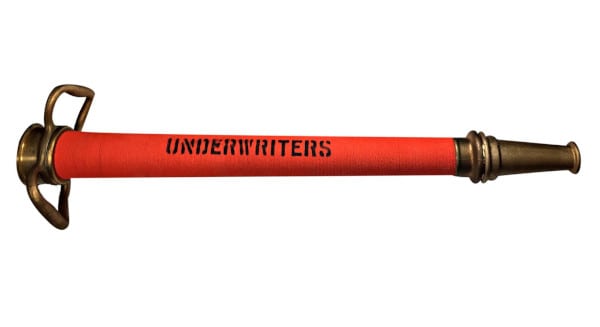
QRFS looks at the origins and historic use of the term “playpipe,” explaining how firefighting playpipe became the inspector’s tool of choice for straightening water flows.
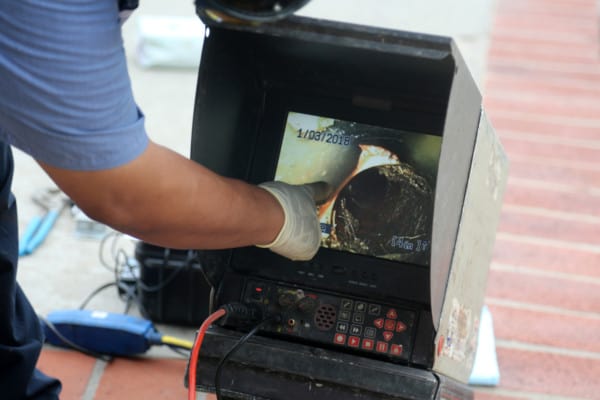
QRFS explores how simple pipe accessories and specialized tools—from ground-penetrating radar to infrared imaging—can expedite the task of finding and fixing a leak in the underground pipes serving standpipe systems.

Flow tests and hydrostatic tests can uncover problems with private fire service mains serving a standpipe system. QRFS explains how standpipe testing procedures can point to a leak underground.
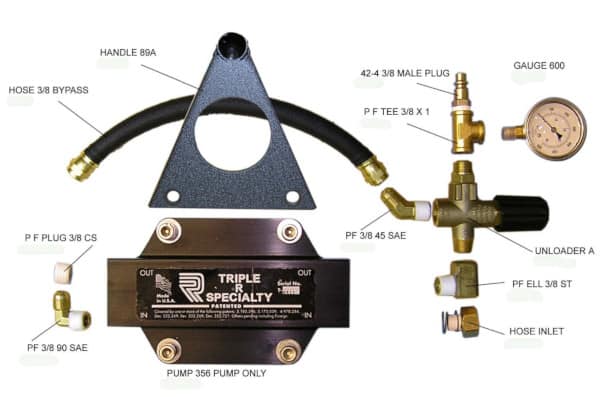
How do you properly use a hydrostatic test pump? When can you troubleshoot a hydrostatic test pump on your own and when should you contact the manufacturer? Learn to prime, start, stop, and safely pressurize pumps with this guide from QRFS.
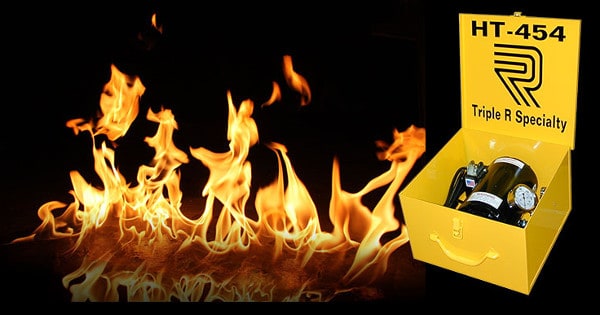
What makes a hydrostatic test pump better for acceptance and maintenance testing on fire sprinklers and standpipes? QRFS takes a look at features impacting the portability, ease of use, and reliability of today’s hydrostatic test pumps.
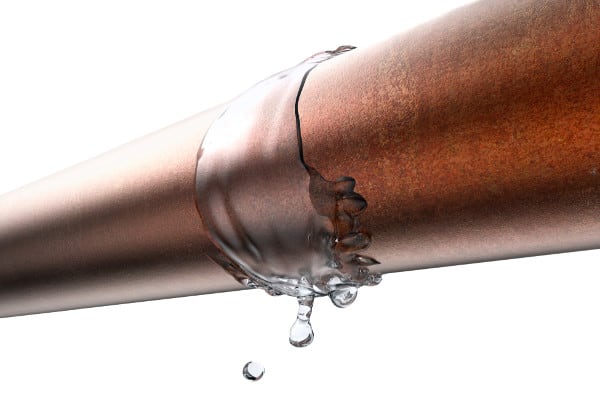
Standpipes and sprinklers require hydrostatic testing before system acceptance, every 5 years for certain standpipes, and/or when there are significant system revisions. But how do you know if you’ve got the right pump for the job? QRFS reviews the key specs and features to look for when choosing a hydrostatic test pump.
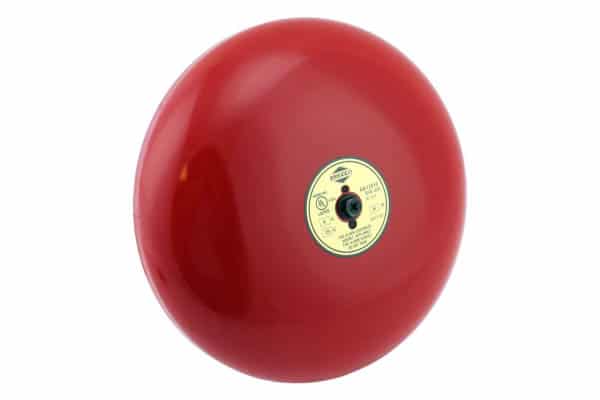
Is a fire bell needed near a sprinkler system’s FDC? Where should this outdoor bell be mounted? Get to know NFPA, IBC, and local rules on fire alarm bells.
Learn how and when hydrostatic testing is conducted on standpipes and fire sprinkler systems, as well as special considerations and the equipment used.
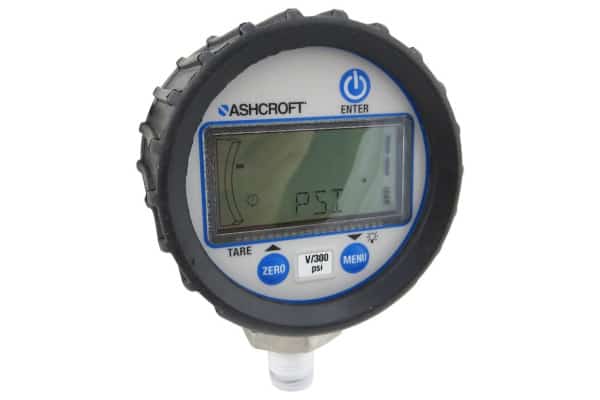
Gain a better understanding of the National Institute of Standards and Technology (NIST), their mission, and what it means for your pressure gauges. Learn what it means when a gauge has a NIST Certificate, when it’s necessary, and options for getting a certification for gauges in your current inventory.
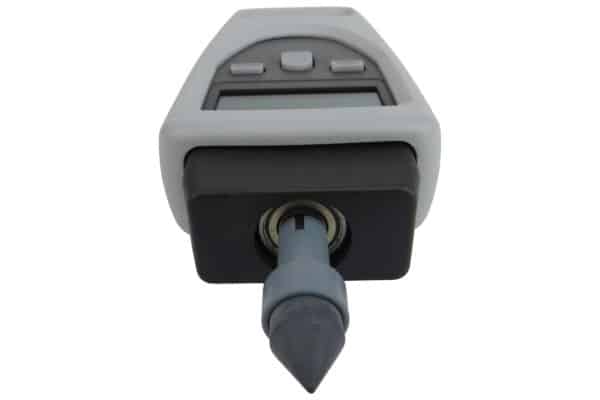
Contact or contact-less? That is the question. In this article, we explore the differences between contact and contact-less handheld digital tachometers and share our recommended model that balances price with reliability and functionality.
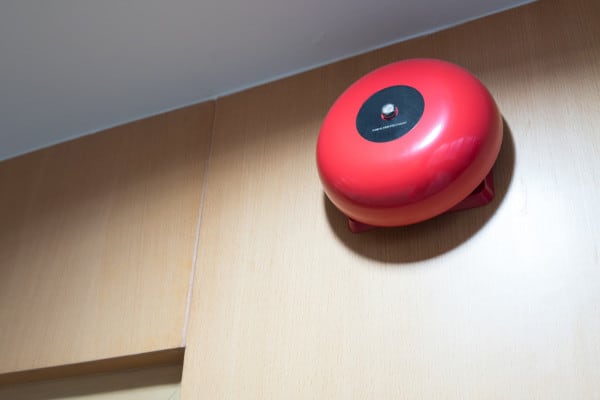
Fire alarm, fire sprinkler, and standpipe systems use fire alarm bells in applications ranging from facilitating evacuation to getting the attention of firefighters. QRFS explains how fire alarm bell mounting height depends on a range of factors, including whether the bell serves a waterflow alarm or a fire alarm system.