Fire sprinkler head types

Fire Sprinkler Head Types: Pendents, Uprights, Sidewalls, and Concealed

Fire sprinklers come in various orientations and types, and each sprinkler is designed to meet a specific safety, performance, and aesthetic need. Read this ultimate guide to how fire sprinklers work and the wide range of models that are available, including pendent, sidewall, recessed, upright, and concealed sprinklers.

Read Now →
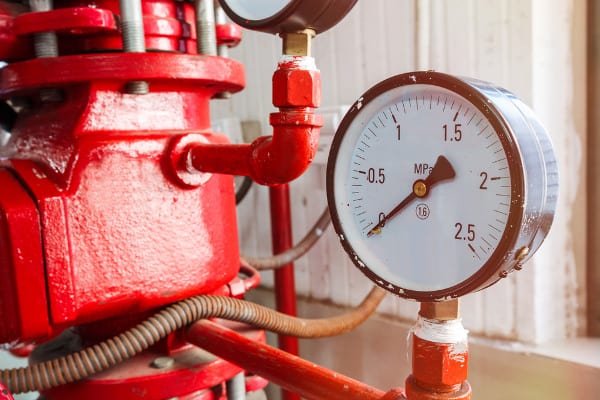
Fire safety valves

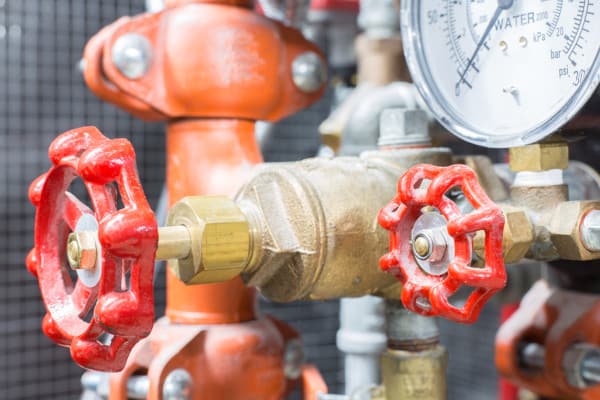
Fire Safety Valve Pressure Ratings: WOG vs WSP vs. PSI

Fire safety valve pressure ratings matter when choosing a valve for fire sprinkler and standpipe systems. QRFS reviews the differences between more than ten common terms manufacturers use to describe valves’ pressure ratings, including WOG (Water, Oil, Gas), WSP (Working Steam Pressure), and PSI (Pounds per Square Inch).

Read Now →
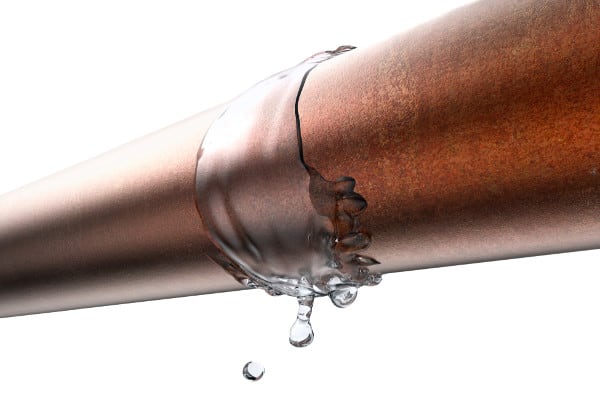
Hydrostatic Test Leak in Pipe

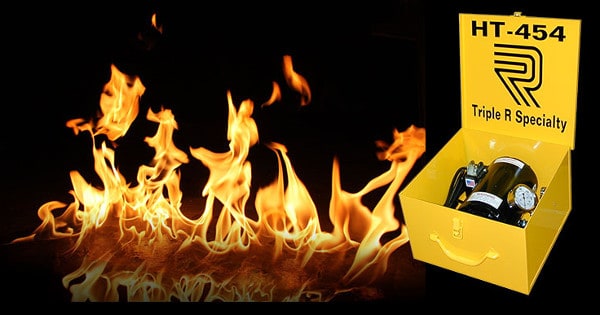
Choosing a Hydrostatic Test Pump for Fire Sprinklers and Standpipes

Standpipes and sprinklers require hydrostatic testing before system acceptance, every 5 years for certain standpipes, and/or when there are significant system revisions. But how do you know if you’ve got the right pump for the job? QRFS reviews the key specs and features to look for when choosing a hydrostatic test pump.

Read Now →
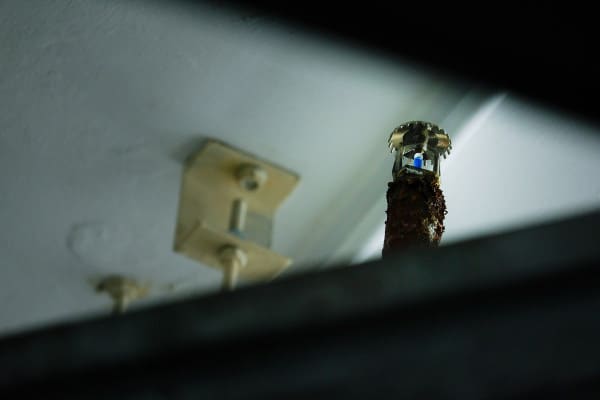
Old Fire Sprinkler

Which Fire Sprinkler Do I Have? And How Do I Replace It?

Fire sprinkler identification numbers have made identifying and replacing fire sprinklers easier, but a confusing variety of old sprinklers remain in service. QRFS explains how to determine which fire sprinkler you have, plus replace one that isn’t commercially available.

Read Now →
A fire alarm control panel.

What is a Fire Panel and How Does it Work?

Fire alarm control panels can interface with hundreds of life-saving devices simultaneously. QRFS looks at how fire code and the features of today’s fire panels streamline evacuation and emergency response efforts.

Read Now →