Help! My Fire Sprinkler Was Painted. What Should I Do?

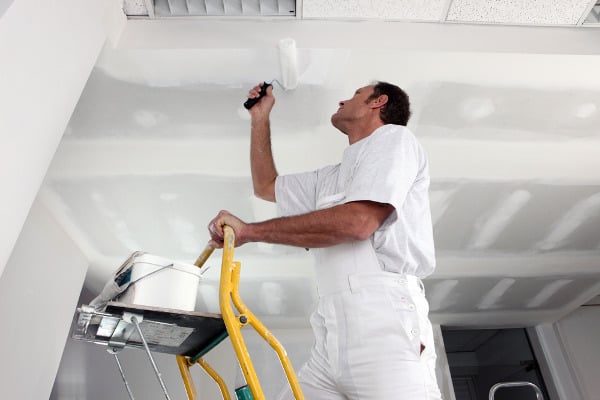
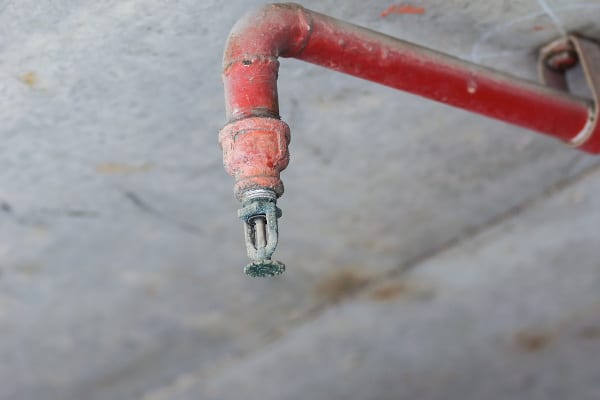
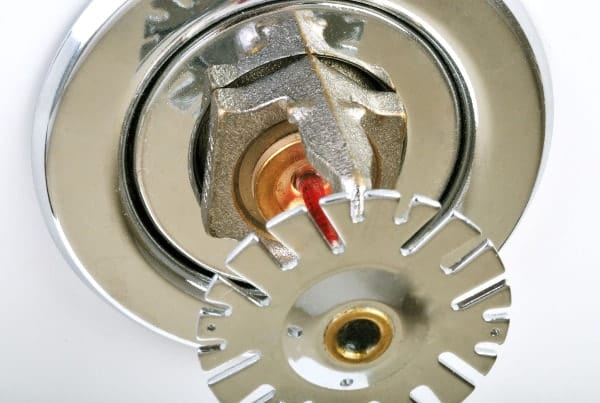
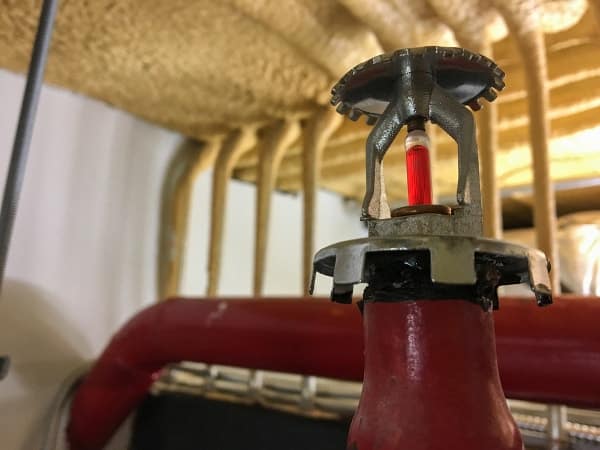
NFPA and numerous fire sprinkler manufacturers have a low tolerance for any sprinkler that has been painted with aftermarket paint. Replacing painted fire sprinklers is often the proper course of action. QRFS looks at why the rules are so strict, as well as how to choose a replacement model.

Read Now →

Can PEX Be Used in a Dry or Preaction Fire Sprinkler System?

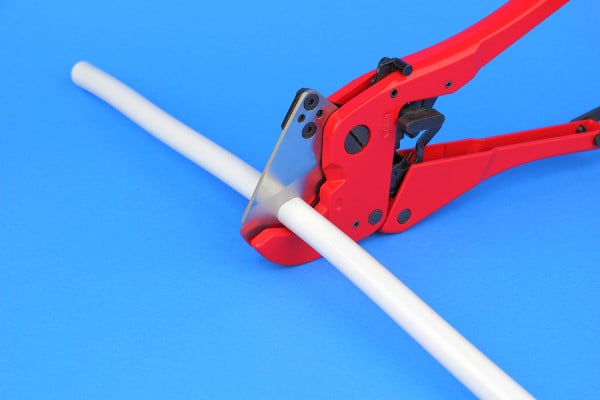
PEX tube has been approved for use in wet fire sprinklers, in both multipurpose and standalone systems — but can PEX be used in dry or preaction systems? QRFS answers a question posed by a reader — and gets a ruling directly from the National Fire Protection Association (NFPA).

Read Now →

Replacing a Fire Department Connection Swivel

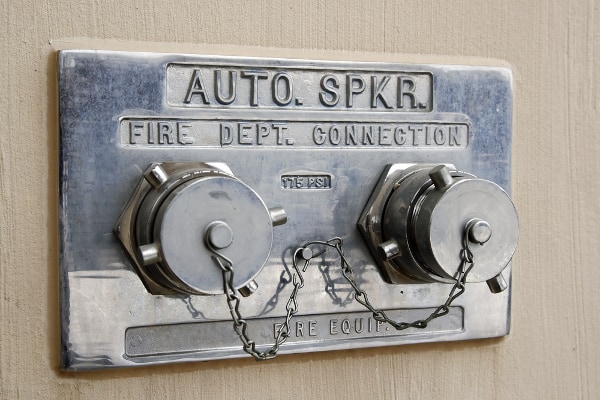
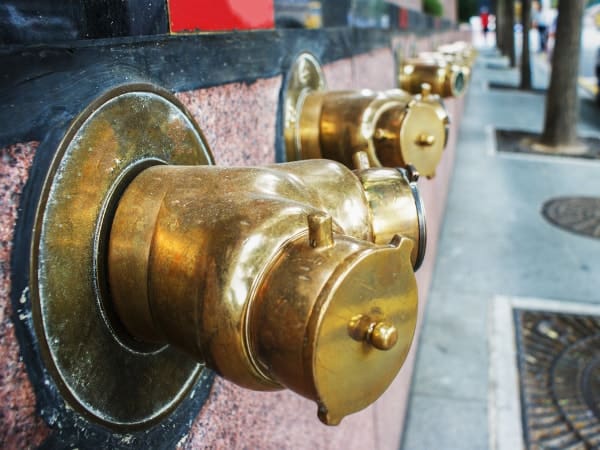
Working Fire Department Connections (FDCs) are essential for many standpipe systems, and a broken or missing swivel means firefighters won’t have access to the water supply during a fire. QRFS looks at options for replacing a fire department connection swivels, plus how to install the part.

Read Now →

The Use of Antifreeze in Fire Protection Systems

After a series of incidents in which antifreeze ignited after sprinklers deployed during a fire, NFPA investigated and began issuing new guidelines for its use in 2010. QRFS explains the current status of using antifreeze in fire protection systems, as well as alternatives for freeze protection.

Read Now →
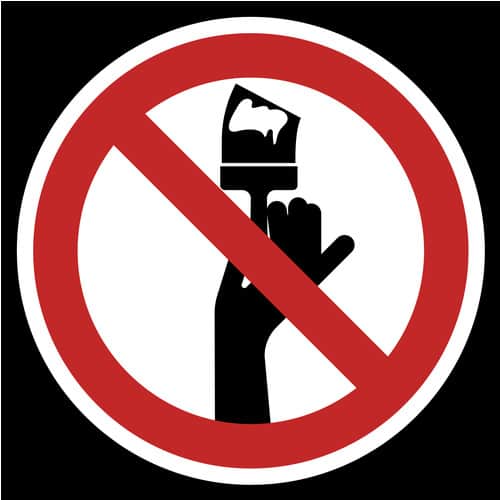
Do not paint over sprinklers sign

Residential Fire Sprinkler Systems: Maintaining Home Fire Sprinklers is Simple

Home fire sprinklers are simple and easy to maintain, and they can last for decades with minimal care. But the specific maintenance requirements depend on the type of system and the components that are installed. QRFS takes a look at how to maintain different home fire sprinkler systems, including the essential “don’ts” that ensure sprinklers will work in an emergency.

Read Now →