The Use of Antifreeze in Fire Protection Systems

After a series of incidents in which antifreeze ignited after sprinklers deployed during a fire, NFPA investigated and began issuing new guidelines for its use in 2010. QRFS explains the current status of using antifreeze in fire protection systems, as well as alternatives for freeze protection.

Read Now →
Shutgun

How to Temporarily Stop a Damaged or Activated Fire Sprinkler Head

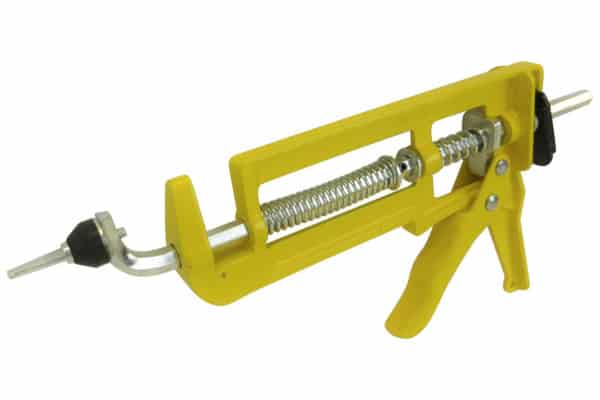
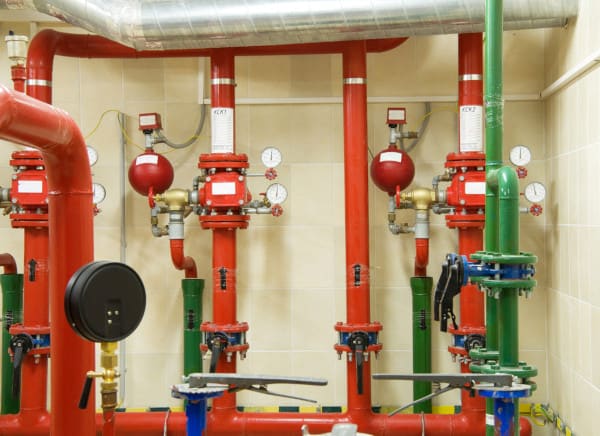
Fire sprinkler systems are incredibly reliable and effective, but several things can cause an accidental discharge, including vandalism or negligence. QRFS examines why fire sprinklers go off at the wrong time and how a simple solution – the Shutgun – can stop a fire sprinkler head and prevent thousands of dollars in water damage.

Read Now →
Double jacket attack fire hose

Attack Line and Supply Hose: How to Source the Best Fire Hose

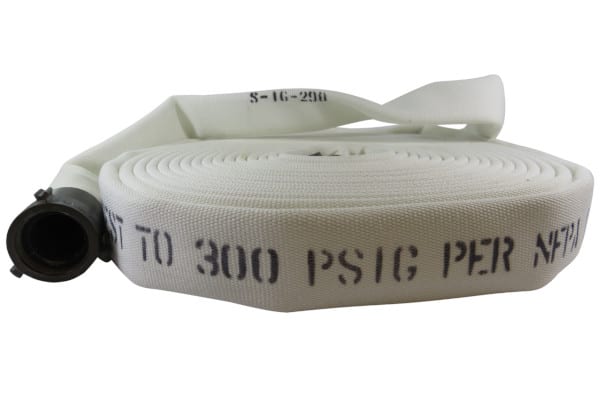
The best fire hoses efficiently move water, and lots of it. But no two kinds of hose are exactly alike. In this guide, QRFS looks at the basic types and features of fire hose, the materials that separate the best hose from the worst, and what you need to do to keep the hose you’ve got fully functional.

Read Now →

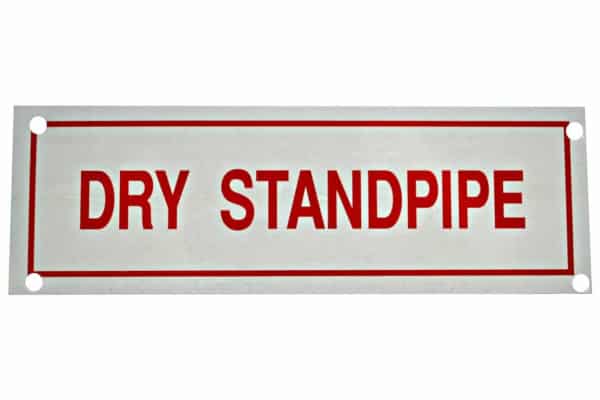
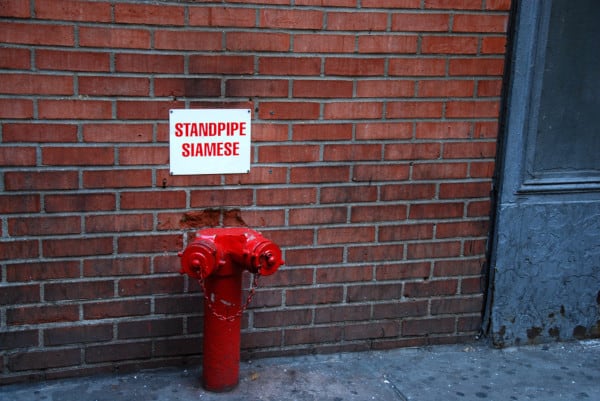
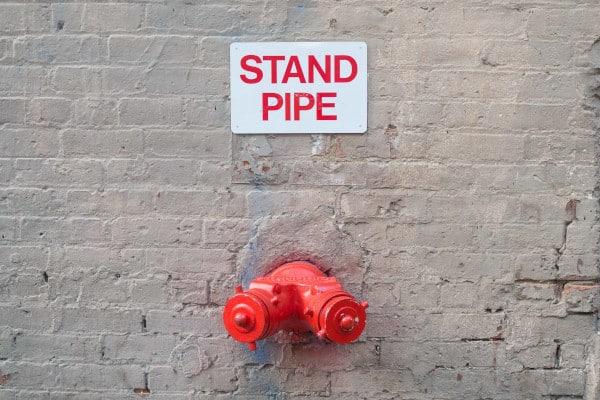
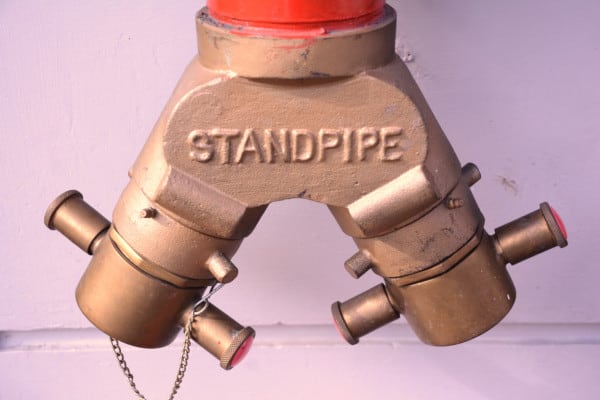
Guide to Standpipe Systems (Part 7): Standpipe Signs and Markings

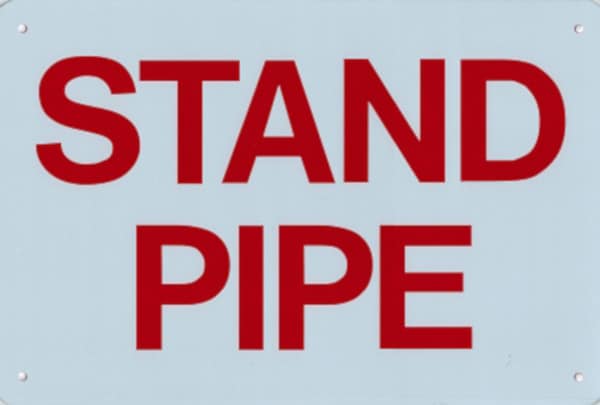
In this final installment of our series detailing standpipes, we examine the signage required to identify and provide information about different portions of a system. The National Fire Protection Association (NFPA) issues detailed requirements for labeling the components of a standpipe system in NFPA 14 and NFPA 25.

Read Now →
Fire Sprinkler System

Draining a Fire Sprinkler System: Main Drain, Auxiliary Drain, and More!

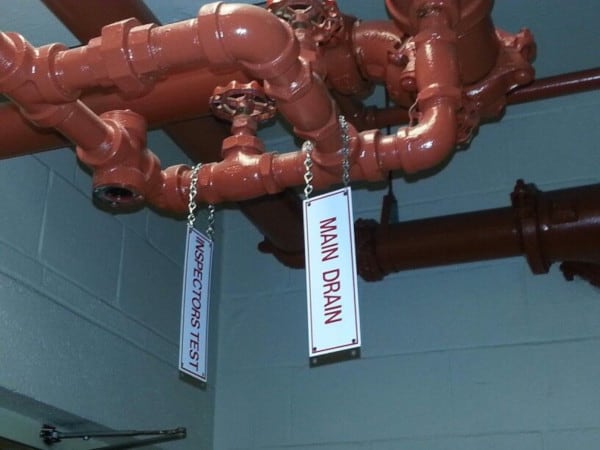
Why would a fire protection system need to be drained? This article discusses four common reasons and details the various types of drains necessary for safely draining a fire sprinkler system. Included is a detailed breakdown of the primary drain valves in a sprinkler system: main drains, auxiliary drains, sectional drains, test drains, and more.

Read Now →