Introduction to Standpipe Systems and Fire Hose Angle Valves
July 22, 2016
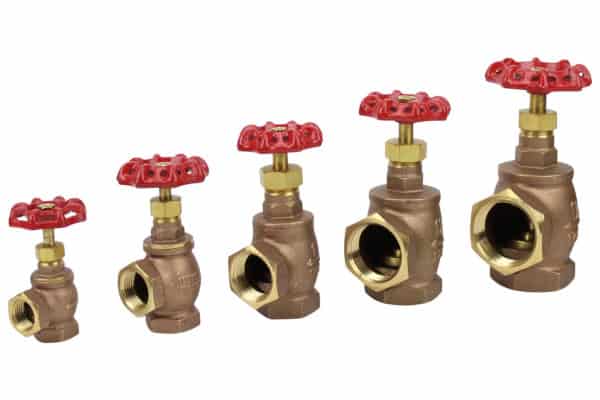
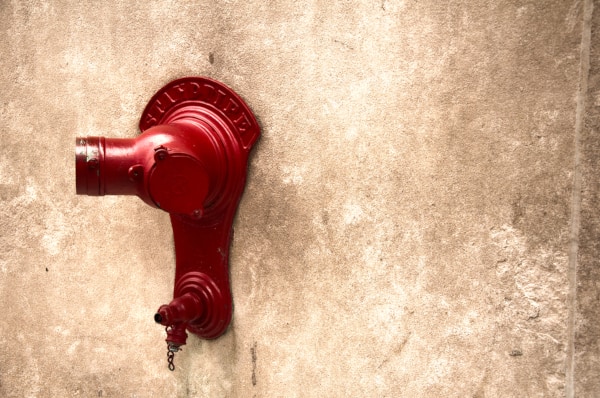
Angle hose valves give firefighters or trained building occupants access to a standpipe system’s supply of water. Learn more about these vital pieces of equipment!
July 22, 2016
Angle hose valves give firefighters or trained building occupants access to a standpipe system’s supply of water. Learn more about these vital pieces of equipment!
July 15, 2016
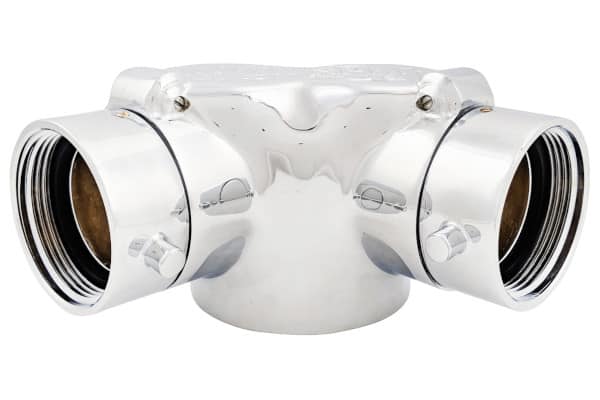
The Siamese Fire Department Connection (FDC) features two female inlets and plays an essential role in providing supplemental water to sprinkler and standpipe systems.
July 8, 2016
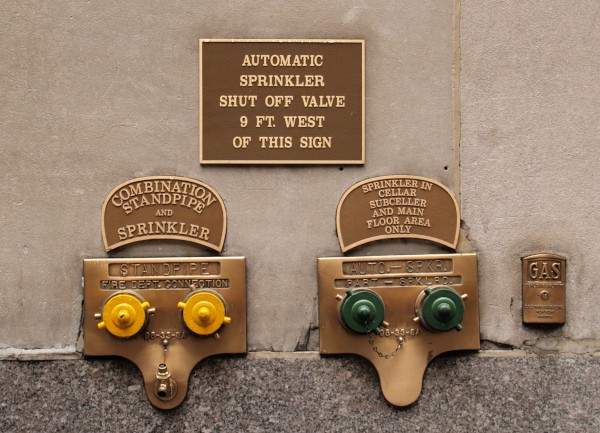
The fire department connection (FDC) is the access point for a building’s standpipe or sprinkler system to receive water from fire engines. Learn about FDC types, components, uses, and standards and code governing them.
June 24, 2016
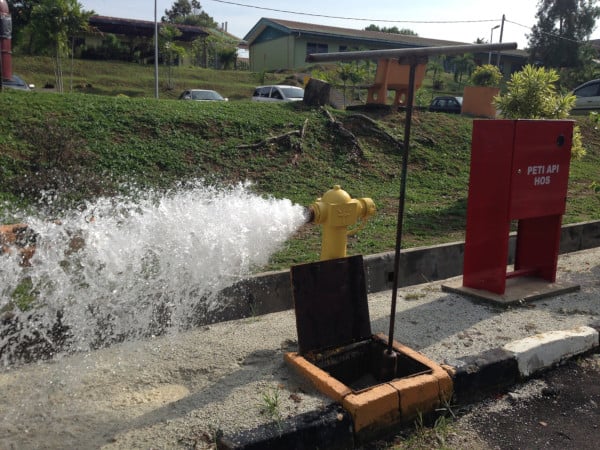
Hydrant pressure tests ensure that a city’s water supply and fire hydrants are in working condition and up to code. They determine the pressure and rate of flow at any point in a city’s water distribution system. Learn about the test and how it is conducted.
June 17, 2016
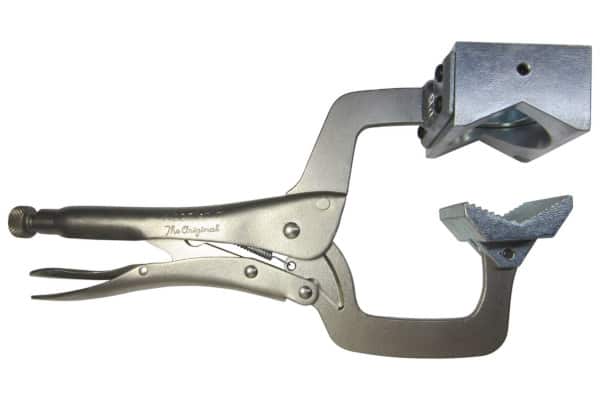
Pilot clamps make pipe-fitting in the field much easier. They fasten to any cylindrical pipe using a clamp head, and provide accurate drilling through their hole saw guiding system.
June 10, 2016
Portable and versatile, locking hole-saw guides known as pilot clamps make drilling holes in metal pipes easy. Learn about their uses and benefits here.
May 27, 2016
Blockages in a fire department connection can prove catastrophic for buildings and the people in them. QRFS explains how to install FDC caps used to protect the waterways serving a building’s fire protection system.
May 20, 2016
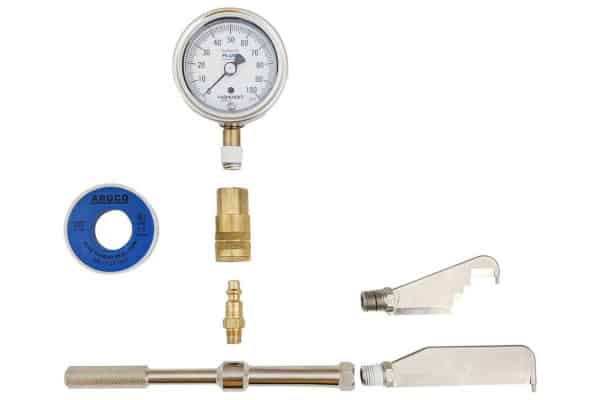
Need to test a fire hydrant’s rate of discharge? Read this blog to find out how this is accomplished, and what steps should be taken to ensure accurate results. A popular way to perform hydrant flow testing is by using a Pitot gauge, which consists of three components: a blade, handle, and gauge. It remains one of the fastest, most efficient methods for measuring both straight tip and hydrant flow GPM to uncover reduced flow rates.
April 22, 2016
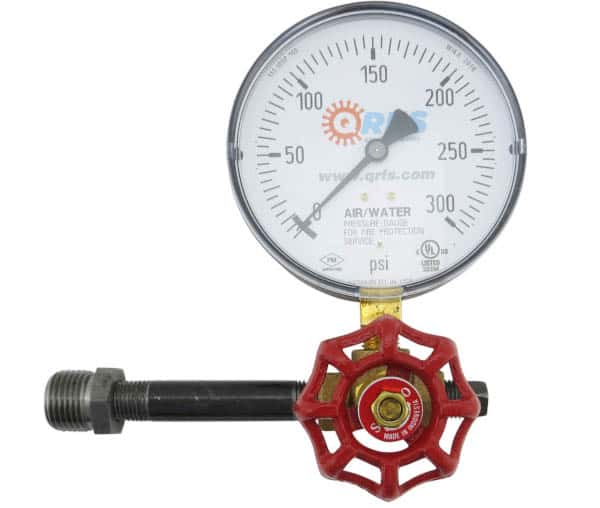
Fire sprinkler gauges – air or water pressure gauges installed at various points throughout the system – provide building owners and firefighters with an easy, visual way to prove the system has an adequate supply of water. Learn what to look for when purchasing sprinkler gauges, including the necessary certifications required by most building codes and how to ensure your current gauges are working correctly.
April 18, 2016
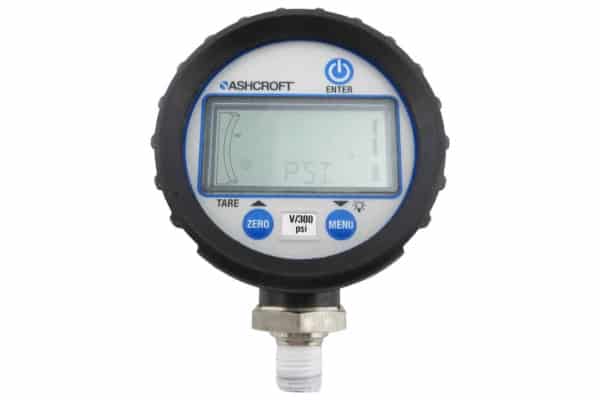
Handheld digital pressure gauges add long life and useful features that make them a worthy alternative to analog measuring devices.
April 10, 2016
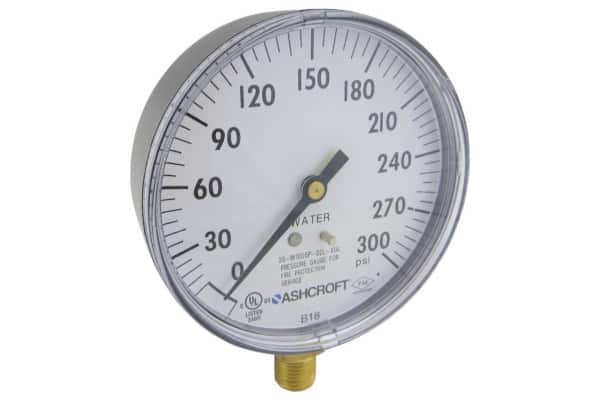
Ashcroft Gauges have set the standard for Fire Protection and Testing for over a century. Learn about the company and their fire protection and testing-specific gauges in this blog.
February 19, 2016
Learn how tamper switches help prevent shut-off fire sprinkler systems that fail in an emergency, plus the types suited for different valves.
January 8, 2016
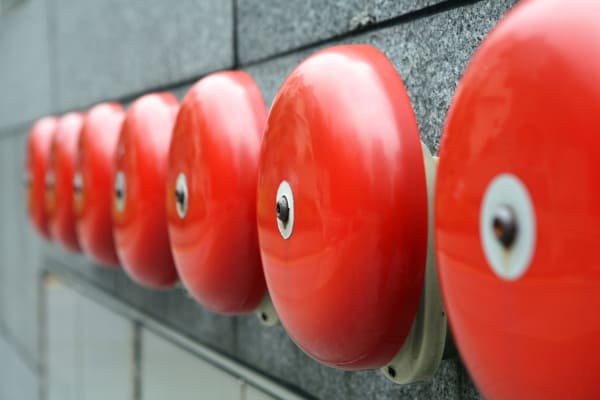
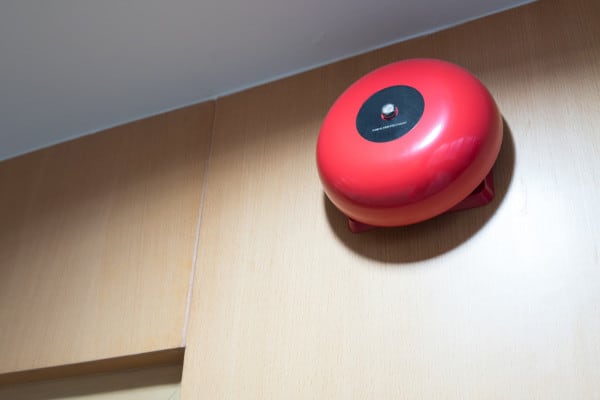
Like all electrical devices, fire alarm bells require extra consideration during outdoor installations. QRFS explains how fire sprinkler systems use alarm bells, discusses how you can mount a fire alarm bell outside, and sheds some light on the available weatherproofing options.
December 19, 2013
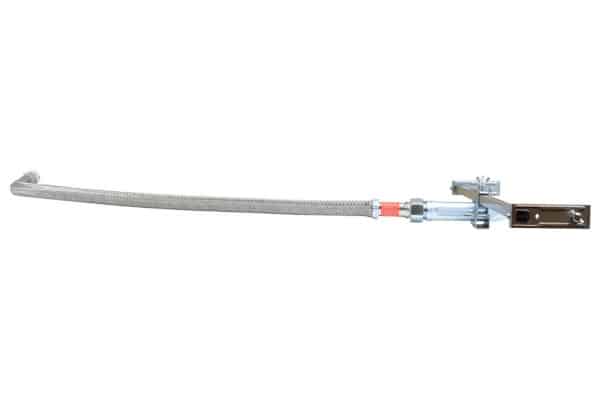
Brass sprinkler extensions take the worry out of sprinkler drops that are cut too short! Learn about sprinkler extensions and what we offer here at QRFS in today’s blog.
November 11, 2013
A sprinkler fitter can typically mount 50-60 flexible sprinkler drops in an hour vs. 6 to 10 of a more traditional rigid pipe style. Learn about this great addition to any sprinkler system that can save fitters time and ensure more even sprinkler spacing.
July 7, 2013
A fire alarm bell isn’t too hard to install: it’s a short six steps with a screwdriver, an adjustable wrench, required electrical knowledge, and essential accessories like a bell guard and bell back box.