Grenfell Tower, Two Years After the Fire
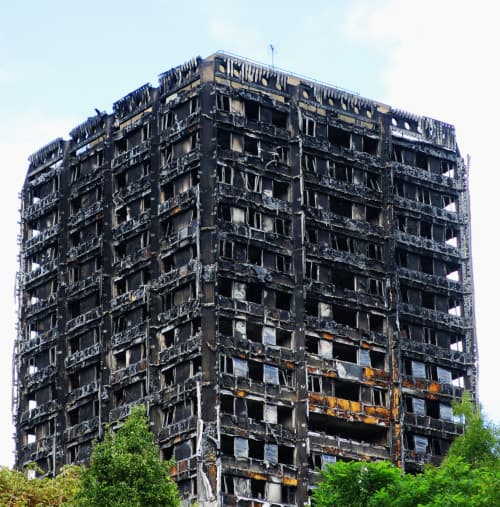
QRFS looks at the latest updates on Grenfell Tower, explaining what’s known about the fire’s causes and fallout before turning to the question of whether fires like this could happen in the United States.
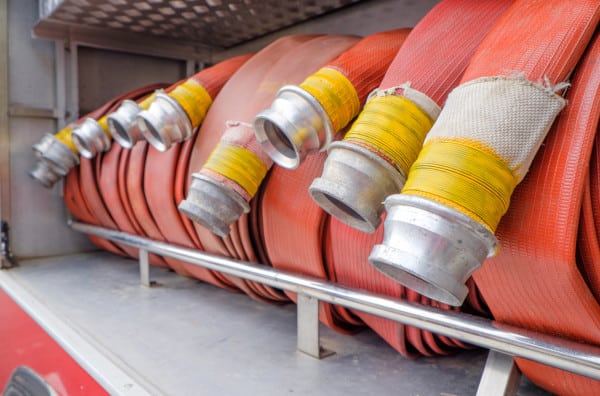
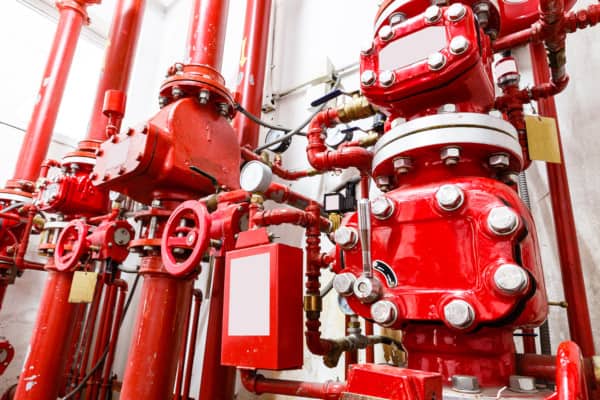
QRFS explains the evolution of the modern fire hose, explaining how fire hose liners and jackets were developed to resist abrasion, weathering, and pressure to reliably fight fires.
QRFS begins a multiple-part series on NFPA 25 testing requirements for dry sprinkler systems with daily, weekly, and monthly requirements.
Knowledge of rated bends, manufacturers, and fire code can help contractors make informed decisions about the selection and installation of flexible fire sprinkler drops. To learn more about FlexHead, VicFlex, and other leading products, read on.
Bicycle teams, virtual reality, and explosive wildfires—it’s all here in QRFS’s look at news about active-duty military firefighters and other intersections between the armed services and firefighting.
QRFS explains why replacing corrosive air with nitrogen can substantially extend the life of dry sprinkler systems.
QRFS looks at the adoption of flexible fire sprinkler drops, explaining how they work with suspended ceilings, why they install faster than sprinkler armovers, and how they help installers protect sprinkler systems against earthquakes.
Growth in the use of automatic fire sprinklers continues to surge thanks to a combination of technology innovation, regulatory trends, and growing documentation on the effectiveness and reliability of fire sprinklers across industries and sectors.
Learn about pipe joint lubricant: what it does, when it’s used, safety issues, and how lubricants vary across leading brands such as Phoenix 27 XL, Phoenix 27 A, and ProSelect.
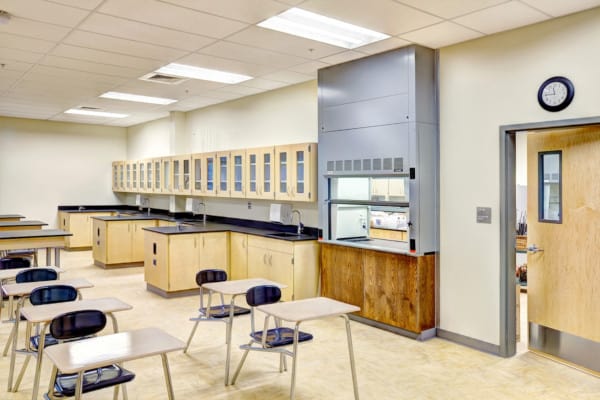
QRFS looks at how today’s life safety codes tackle the issue of school shooting prevention, explaining why many building codes prohibit the use of barriers, how fire alarms can be protected against malicious use, and how new codes streamline emergency responses to an active shooter situation.
QRFS finishes its thorough guide to meeting NFPA 25 timelines for dry sprinkler system inspections, covering the longer deadlines for various components.
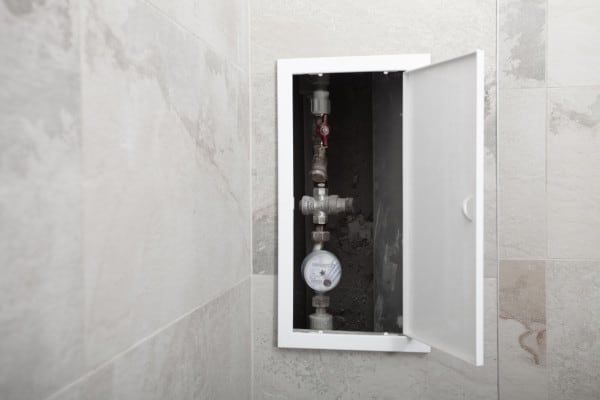
QRFS looks at the fire and building code governing access panels to help consumers decide when it’s safe to install standard, non-rated drywall access panels—and when it’s necessary to choose a fire-rated panel instead.
Codes and standards place responsibility for fire sprinkler inspection, testing, and maintenance (ITM) on the property owner but contractors are typically used to do it. Writing a clear scope of work can help guarantee reliable, code-compliant ITM.
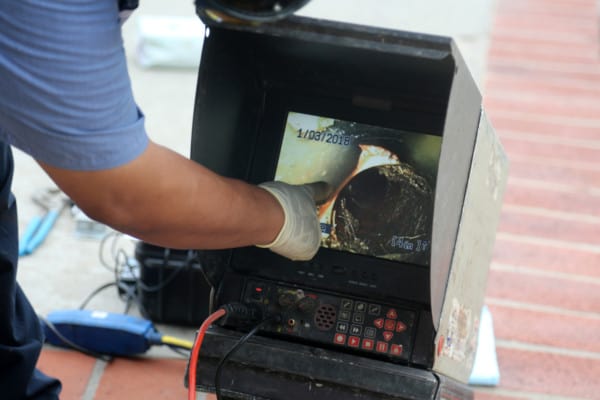
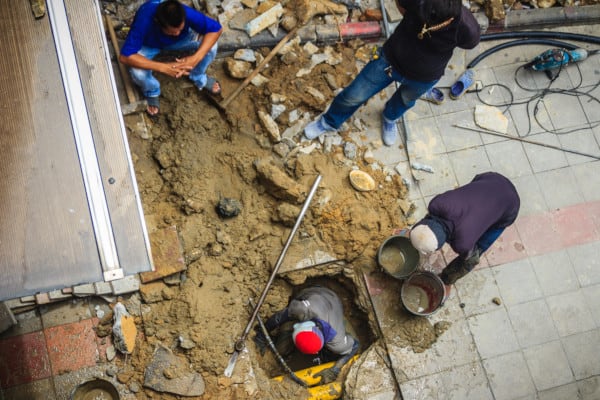
QRFS explores how simple pipe accessories and specialized tools—from ground-penetrating radar to infrared imaging—can expedite the task of finding and fixing a leak in the underground pipes serving standpipe systems.
Flow tests and hydrostatic tests can uncover problems with private fire service mains serving a standpipe system. QRFS explains how standpipe testing procedures can point to a leak underground.
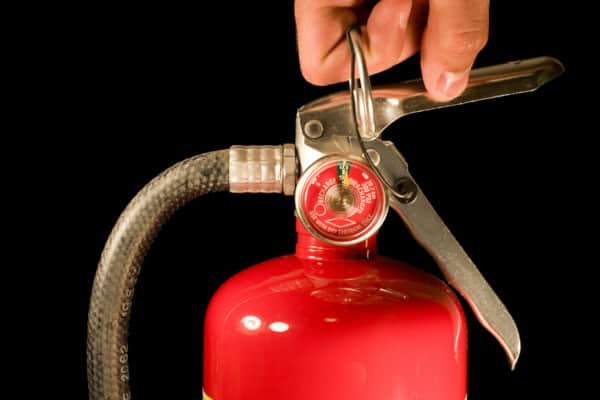
Every 88 seconds, a home in the United States catches fire. QRFS provides an overview of home fire extinguishers, explaining extinguisher types, sizes, ratings, and other key recommendations for their selection and strategic placement in the home.
CPVC pipe offers a quick and easy way to install fire sprinkler systems in light-hazard applications, without the expense or hassle of using metal. To implement a successful design, installers have to be aware of compatible chemicals and uses, product care, and listed uses.
A look at news with an impact on fire professionals at work outside of America’s urban areas. From irreverent approaches to firefighter recruitment to mergers between small-town fire departments and wildfire preparation, here’s the news worth knowing.