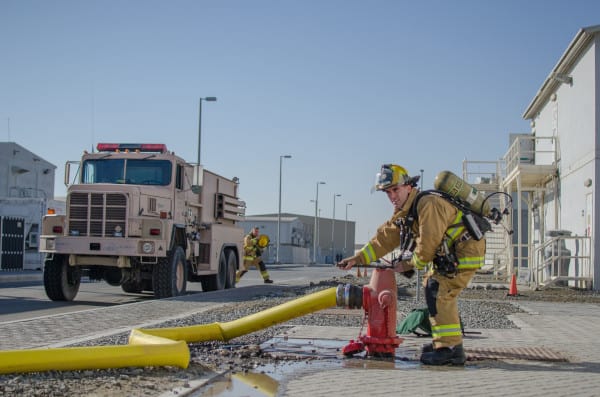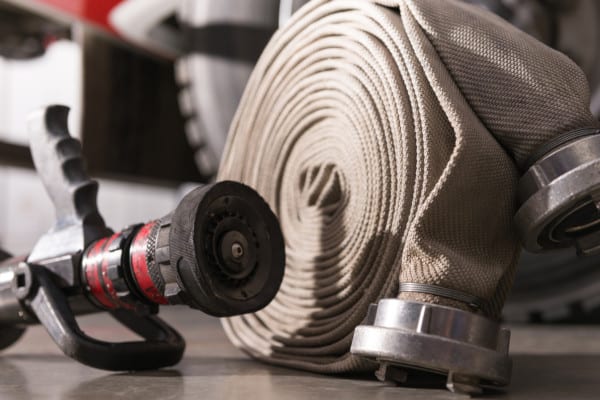
A firefighter at a hydrant

What is a Carlin Valve and When is it Necessary?

At the fire scene, the engine company sometimes designates a person to stay with the fire hydrant while the engine and the crew advance on a burning building. QRFS explains how Carlin valves, a displacement-activated hydrant gate valve, can keep the engine company whole while facilitating safe and speedy hydrant activation.

Read Now →
Sprinkler on a set of schematics

Significant Changes to the 2019 Edition of NFPA 13, Part 2

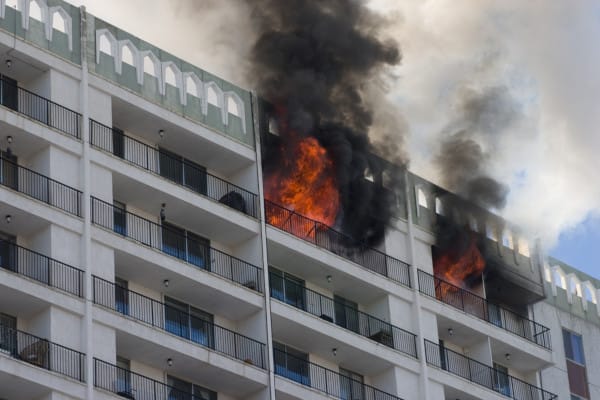
NFPA 13: Standard for the Installation of Sprinkler Systems has guided insurers, installers, and designers for more than a century. QRFS looks at the National Fire Protection Association’s 2019 changes, exploring technical revisions impacting ESFR storage sprinklers, system components, and sprinkler system design.

Read Now →
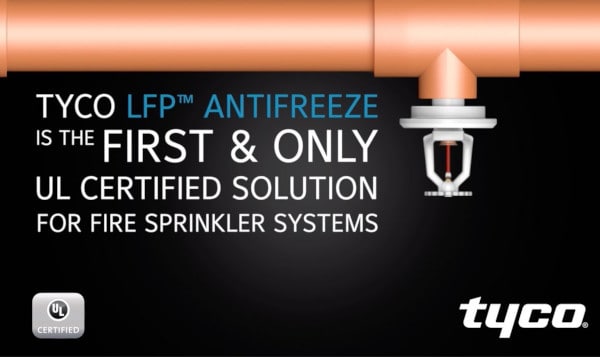
Tyco LFP Antifreeze banner

Tyco’s New LFP Antifreeze Meets NFPA Listing Requirements

As the 2022 deadline for phasing out all current antifreeze solutions in wet sprinkler systems looms, the first – and only – product to meet the National Fire Protection Association’s (NFPA) standard is good news for property owners in regions that suffer bitter winters. QRFS reveals why current solutions were deemed unsafe and details the new solution.

Read Now →
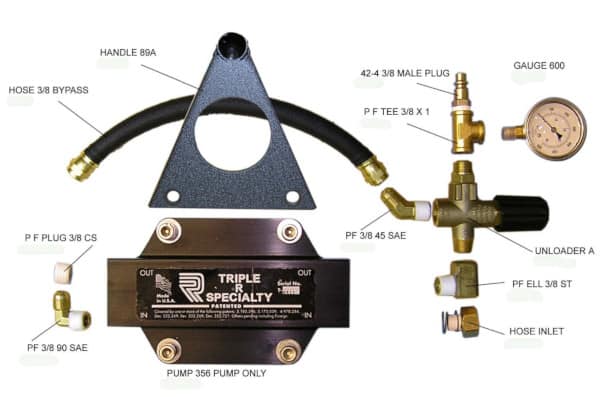
Tru-Test HT89A hydrostatic test pump parts

How to Use and Troubleshoot a Hydrostatic Test Pump

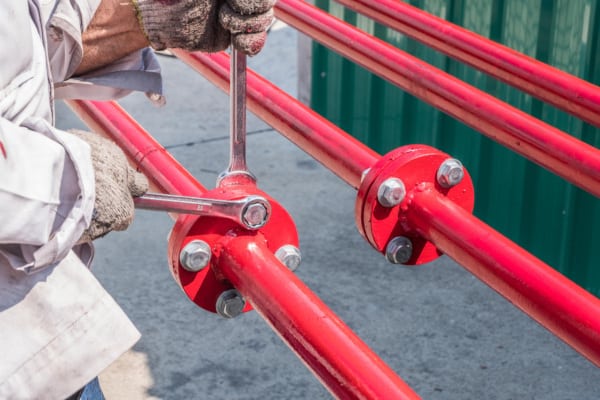
How do you properly use a hydrostatic test pump? When can you troubleshoot a hydrostatic test pump on your own and when should you contact the manufacturer? Learn to prime, start, stop, and safely pressurize pumps with this guide from QRFS.

Read Now →
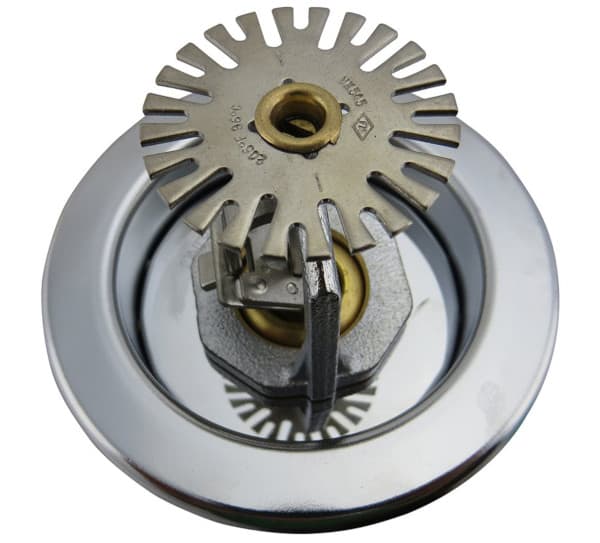
Fire sprinkler head types

Fire Sprinkler Head Types: Pendents, Uprights, Sidewalls, and Concealed

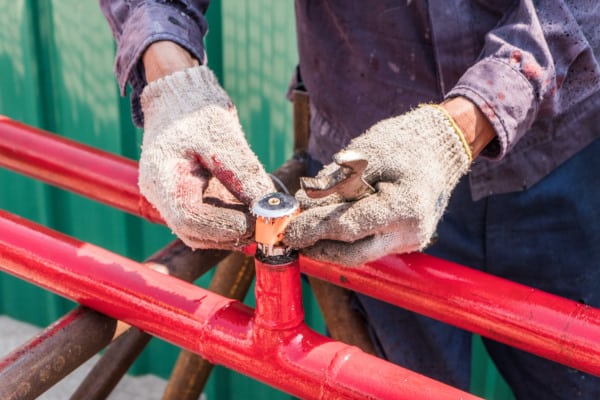
Fire sprinklers come in various orientations and types, and each sprinkler is designed to meet a specific safety, performance, and aesthetic need. Read this ultimate guide to how fire sprinklers work and the wide range of models that are available, including pendent, sidewall, recessed, upright, and concealed sprinklers.

Read Now →
Fire safety valves

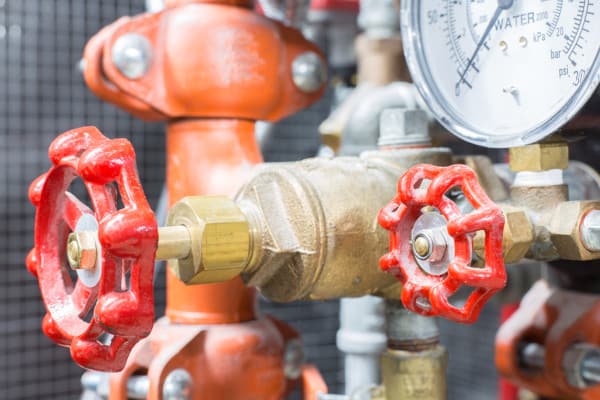
Fire Safety Valve Pressure Ratings: WOG vs WSP vs. PSI

Fire safety valve pressure ratings matter when choosing a valve for fire sprinkler and standpipe systems. QRFS reviews the differences between more than ten common terms manufacturers use to describe valves’ pressure ratings, including WOG (Water, Oil, Gas), WSP (Working Steam Pressure), and PSI (Pounds per Square Inch).

Read Now →