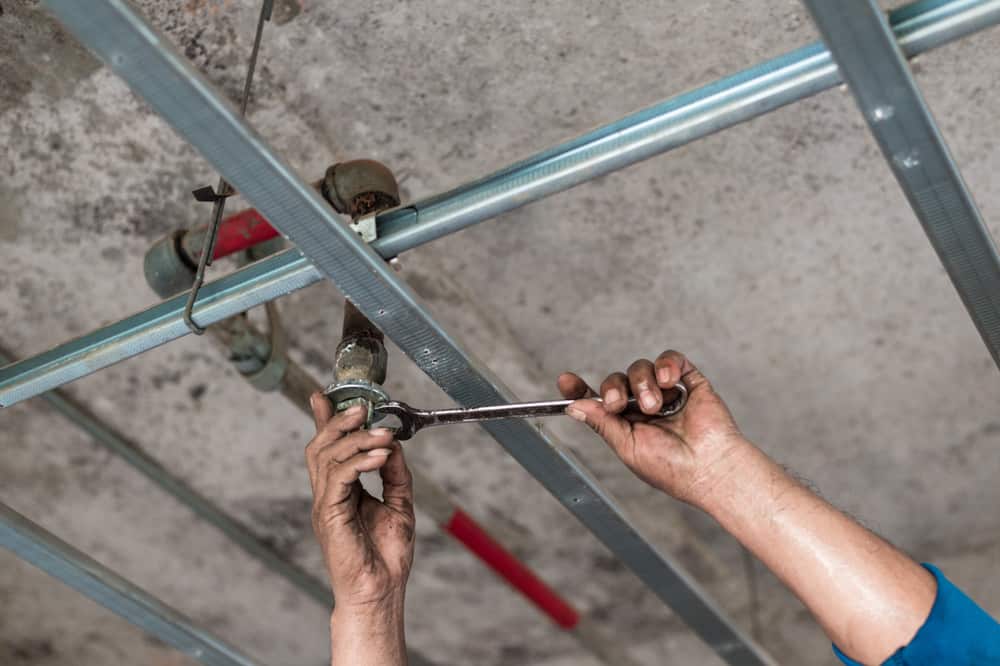
Hydrostatic Test Leak in Pipe

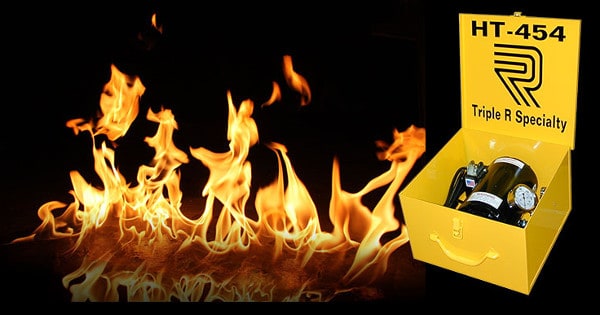
Choosing a Hydrostatic Test Pump for Fire Sprinklers and Standpipes

Standpipes and sprinklers require hydrostatic testing before system acceptance, every 5 years for certain standpipes, and/or when there are significant system revisions. But how do you know if you’ve got the right pump for the job? QRFS reviews the key specs and features to look for when choosing a hydrostatic test pump.

Read Now →
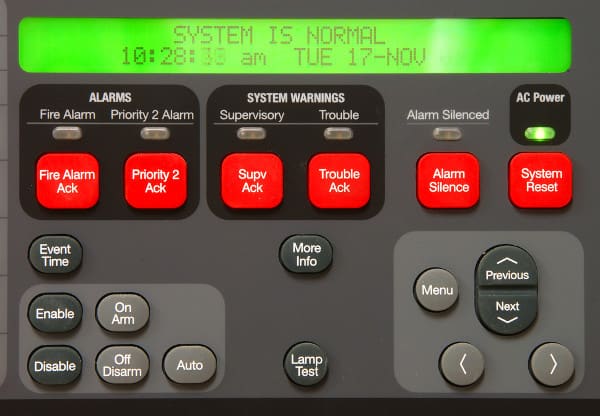
A fire alarm control panel.

What is a Fire Panel and How Does it Work?

Fire alarm control panels can interface with hundreds of life-saving devices simultaneously. QRFS looks at how fire code and the features of today’s fire panels streamline evacuation and emergency response efforts.

Read Now →

Can PEX Be Used in a Dry or Preaction Fire Sprinkler System?

PEX tube has been approved for use in wet fire sprinklers, in both multipurpose and standalone systems — but can PEX be used in dry or preaction systems? QRFS answers a question posed by a reader — and gets a ruling directly from the National Fire Protection Association (NFPA).

Read Now →

Replacing a Fire Department Connection Swivel

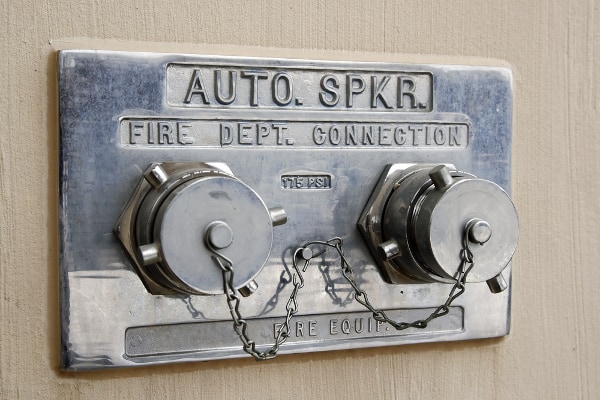
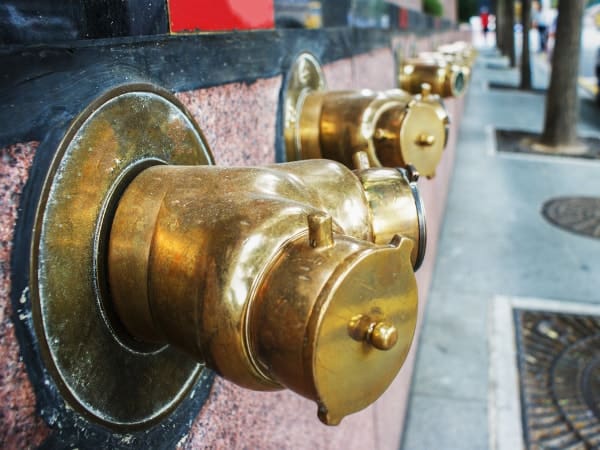
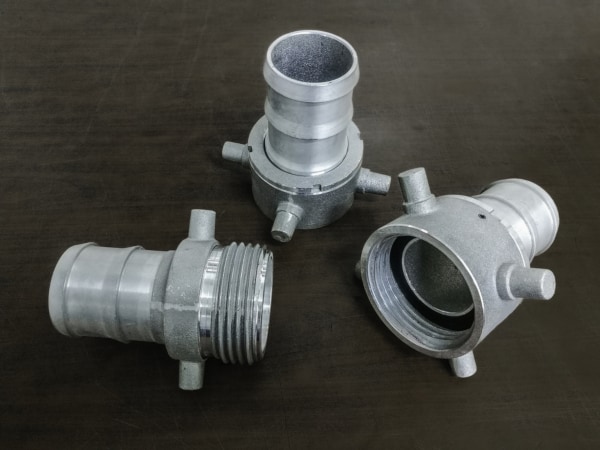
Working Fire Department Connections (FDCs) are essential for many standpipe systems, and a broken or missing swivel means firefighters won’t have access to the water supply during a fire. QRFS looks at options for replacing a fire department connection swivels, plus how to install the part.

Read Now →

The Use of Antifreeze in Fire Protection Systems

After a series of incidents in which antifreeze ignited after sprinklers deployed during a fire, NFPA investigated and began issuing new guidelines for its use in 2010. QRFS explains the current status of using antifreeze in fire protection systems, as well as alternatives for freeze protection.

Read Now →
Shutgun

How to Temporarily Stop a Damaged or Activated Fire Sprinkler Head

Fire sprinkler systems are incredibly reliable and effective, but several things can cause an accidental discharge, including vandalism or negligence. QRFS examines why fire sprinklers go off at the wrong time and how a simple solution – the Shutgun – can stop a fire sprinkler head and prevent thousands of dollars in water damage.

Read Now →
Double jacket attack fire hose

Attack Line and Supply Hose: How to Source the Best Fire Hose

The best fire hoses efficiently move water, and lots of it. But no two kinds of hose are exactly alike. In this guide, QRFS looks at the basic types and features of fire hose, the materials that separate the best hose from the worst, and what you need to do to keep the hose you’ve got fully functional.

Read Now →
Fire Sprinkler System

Draining a Fire Sprinkler System: Main Drain, Auxiliary Drain, and More!

Why would a fire protection system need to be drained? This article discusses four common reasons and details the various types of drains necessary for safely draining a fire sprinkler system. Included is a detailed breakdown of the primary drain valves in a sprinkler system: main drains, auxiliary drains, sectional drains, test drains, and more.

Read Now →
A check valve for 6-inch grooved piping

Guide to Check Valves for Fire Protection

Learn how a check valve works, the types of check valves, and their benefits. Additionally, understand what components you should look for when selecting a check valve and their maintenance requirements.

Read Now →