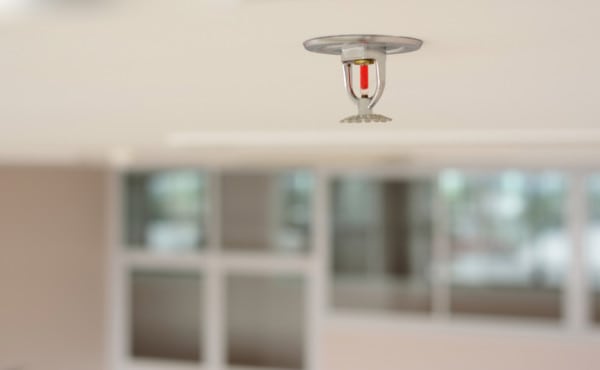
Home fire sprinkler head

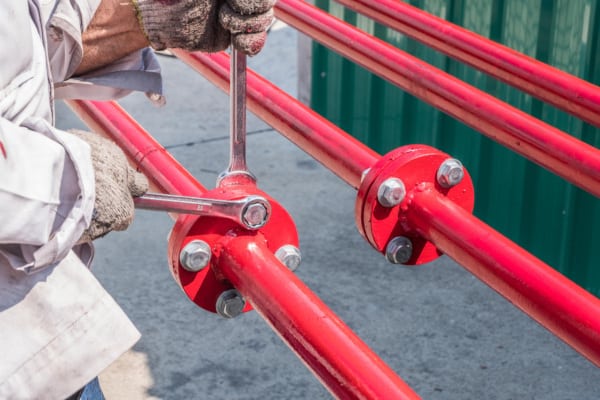
CPVC, Copper, Steel, and PEX: Trends in Home Fire Sprinkler Systems

Fire sprinkler installers looking to compete in the home fire sprinkler market have a wide variety of piping materials at their disposal. QRFS estimates the prevalence of piping materials, including PEX and CPVC fire sprinkler pipe, and explains how some factors—namely, cost—have left copper and steel with a much smaller role.

Read Now →
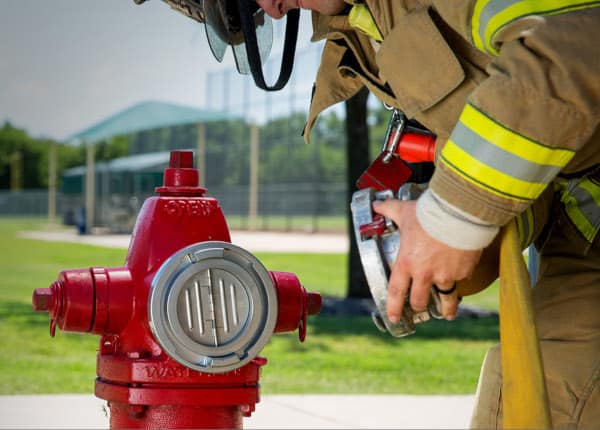
Integral Storz on a fire hydrant

Storz FDCs and Fire Hydrant Storz Connections: Adapters or Integral Storz?

Quick-connecting Storz couplings can simplify the task facing firefighters and significantly reduce the time required to connect fire hoses to fire hydrants and fire department connections. QRFS looks at the benefits and drawbacks of three products designed to make these devices Storz-ready: removable Storz adapters, permanent Storz adapters, and integral fire hydrant Storz connections.

Read Now →
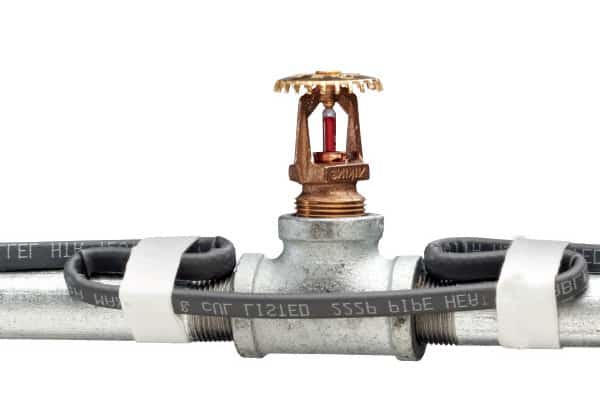
Heat trace cable on an upright sprinkler

Heat Tracing Fire Sprinkler Systems: When, Where, and How

Heat tracing can protect sections of pipe in wet fire sprinklers from freezing, providing a viable alternative to installing or retrofitting more complex and expensive dry pipe or preaction systems. QRFS explains various types of heat tape, including NFPA standards, cost, and maintenance requirements.

Read Now →
Water hammer

What is Water Hammer and How Does it Impact Firefighting?

Closing or opening a valve can cause a sudden surge in pressure, threatening water-based systems and the people who work around them. QRFS explains the phenomenon known as water hammer, describing what is, how it works, and how it impacts firefighting and the design of fire protection systems.

Read Now →
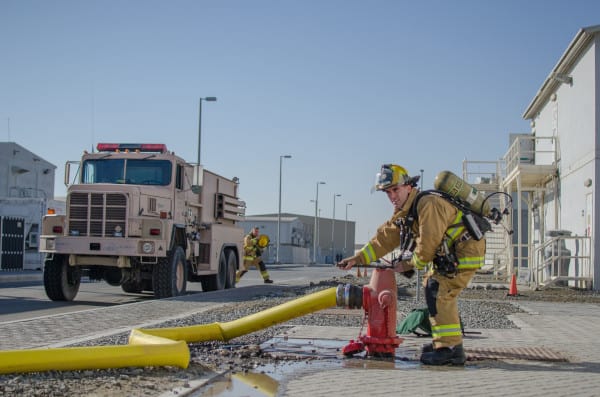
A firefighter at a hydrant

What is a Carlin Valve and When is it Necessary?

At the fire scene, the engine company sometimes designates a person to stay with the fire hydrant while the engine and the crew advance on a burning building. QRFS explains how Carlin valves, a displacement-activated hydrant gate valve, can keep the engine company whole while facilitating safe and speedy hydrant activation.

Read Now →
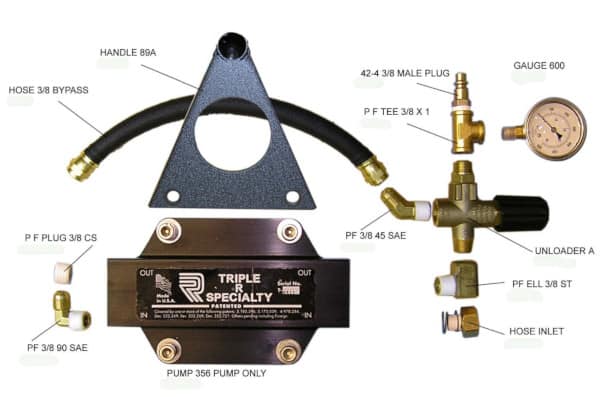
Tru-Test HT89A hydrostatic test pump parts

How to Use and Troubleshoot a Hydrostatic Test Pump

How do you properly use a hydrostatic test pump? When can you troubleshoot a hydrostatic test pump on your own and when should you contact the manufacturer? Learn to prime, start, stop, and safely pressurize pumps with this guide from QRFS.

Read Now →
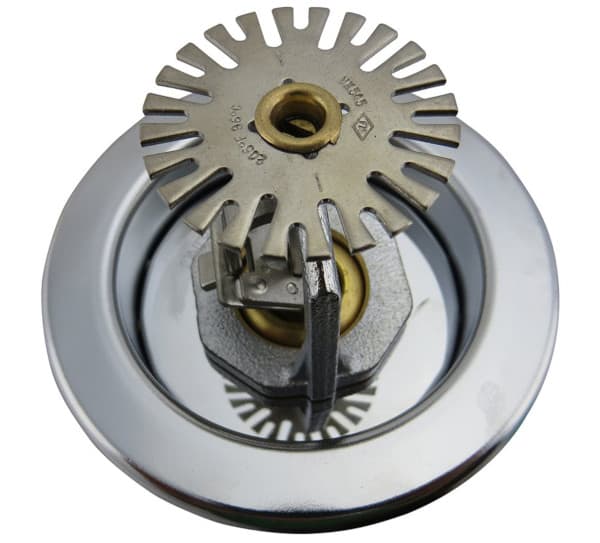
Fire sprinkler head types

Fire Sprinkler Head Types: Pendents, Uprights, Sidewalls, and Concealed

Fire sprinklers come in various orientations and types, and each sprinkler is designed to meet a specific safety, performance, and aesthetic need. Read this ultimate guide to how fire sprinklers work and the wide range of models that are available, including pendent, sidewall, recessed, upright, and concealed sprinklers.

Read Now →
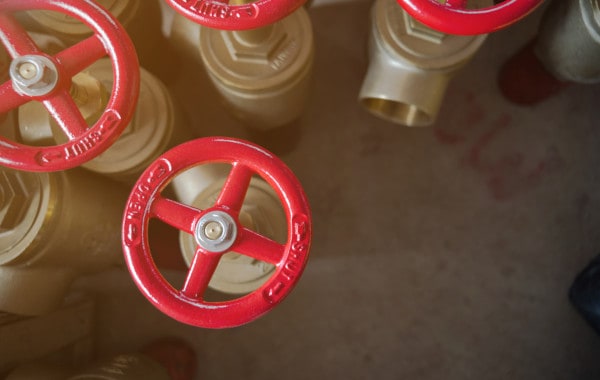
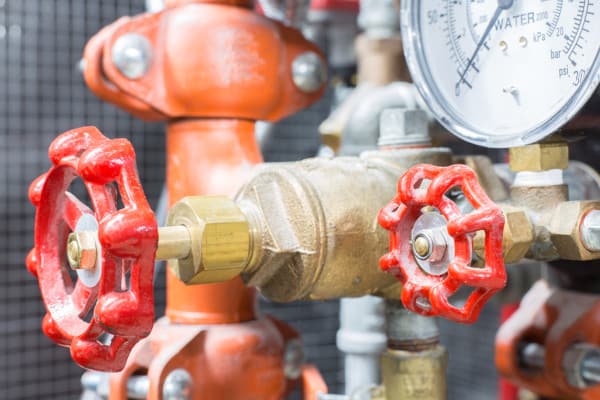
Fire safety valves

Fire Safety Valve Pressure Ratings: WOG vs WSP vs. PSI

Fire safety valve pressure ratings matter when choosing a valve for fire sprinkler and standpipe systems. QRFS reviews the differences between more than ten common terms manufacturers use to describe valves’ pressure ratings, including WOG (Water, Oil, Gas), WSP (Working Steam Pressure), and PSI (Pounds per Square Inch).

Read Now →