Fire Blankets vs. Fire Extinguishers: Pros, Cons and Considerations
August 15, 2019
QRFS compares fire blankets and fire extinguishers, explaining how and where each on may be used as part of a fire protection strategy.
August 15, 2019
QRFS compares fire blankets and fire extinguishers, explaining how and where each on may be used as part of a fire protection strategy.
August 14, 2019
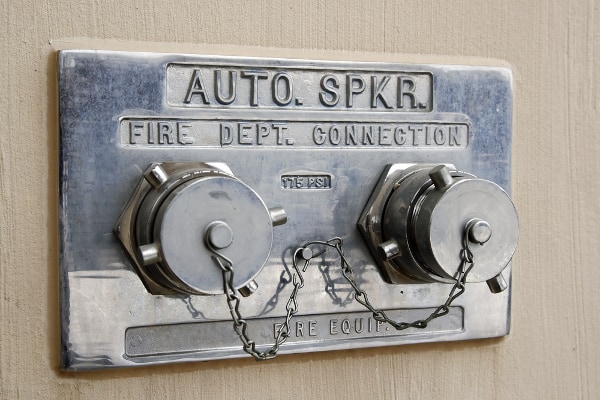
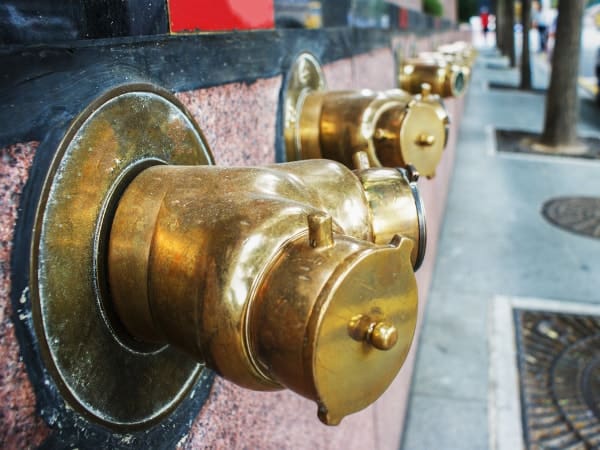
Building owners and facility managers often find the process of replacing a fire department connection, or FDC, confusing. QRFS looks at FDCs from a buyer’s perspective, answering frequently asked questions about this important piece of fire protection equipment.
June 12, 2019
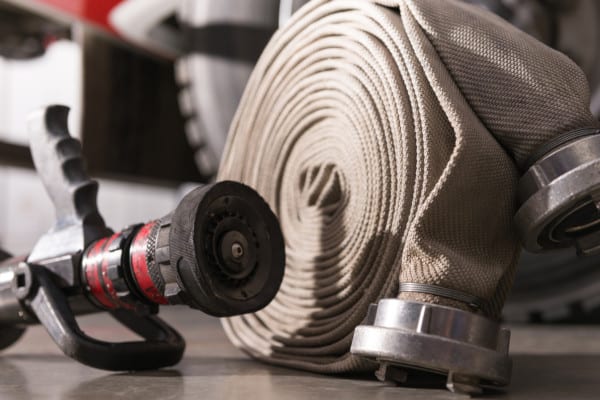
They’re some of the smallest items on a fire engine—but they help firefighters make the most of other equipment. Get a quick handle on today’s fire hose fittings & adapters with this definitive guide from QRFS.
May 30, 2019
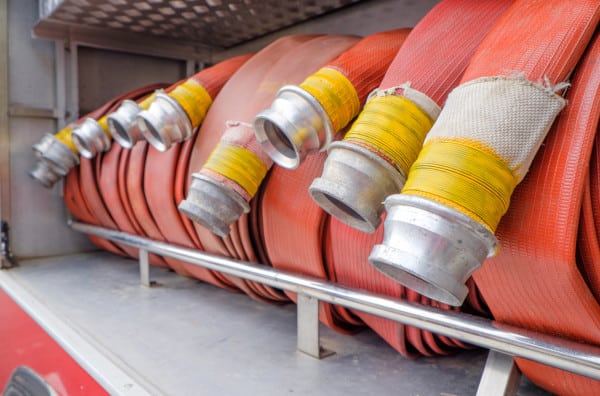
QRFS explains the evolution of the modern fire hose, explaining how fire hose liners and jackets were developed to resist abrasion, weathering, and pressure to reliably fight fires.
May 24, 2019
QRFS explains why replacing corrosive air with nitrogen can substantially extend the life of dry sprinkler systems.
April 30, 2019
Powered by small water droplets, water mist fire suppression systems may outperform conventional fire sprinkler systems and their usual alternatives. QRFS looks at how water mist systems work, their types, usage, and maintenance in accordance with NFPA 750.
April 17, 2019
A dependable and properly maintained supply of pressurized air is key to the reliable operation of dry sprinkler systems. QRFS helps you understand NFPA requirements for installing air compressors and air maintenance devices.
March 26, 2019
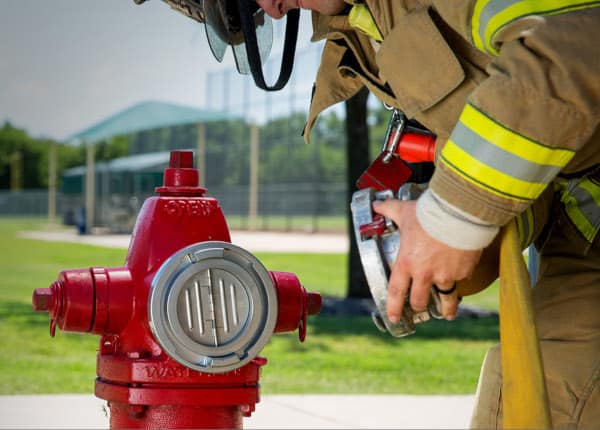
Quick-connecting Storz couplings can simplify the task facing firefighters and significantly reduce the time required to connect fire hoses to fire hydrants and fire department connections. QRFS looks at the benefits and drawbacks of three products designed to make these devices Storz-ready: removable Storz adapters, permanent Storz adapters, and integral fire hydrant Storz connections.
March 21, 2019
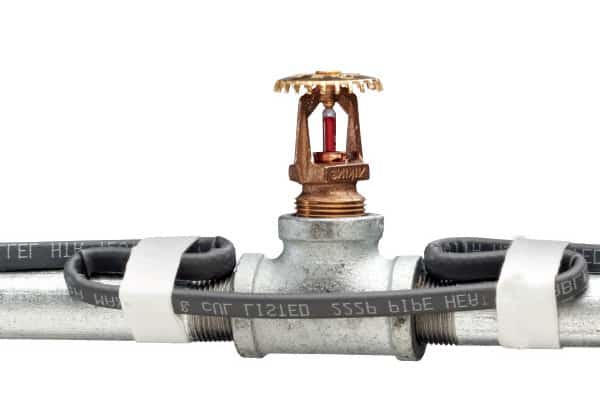
Heat tracing can protect sections of pipe in wet fire sprinklers from freezing, providing a viable alternative to installing or retrofitting more complex and expensive dry pipe or preaction systems. QRFS explains various types of heat tape, including NFPA standards, cost, and maintenance requirements.
March 14, 2019
The additional components required in dry fire sprinkler systems compared to wet systems can make installation more challenging. QRFS helps you understand NFPA 13 requirements for installing dry pipe and check valves, as well as quick-opening and antiflooding devices.
March 7, 2019
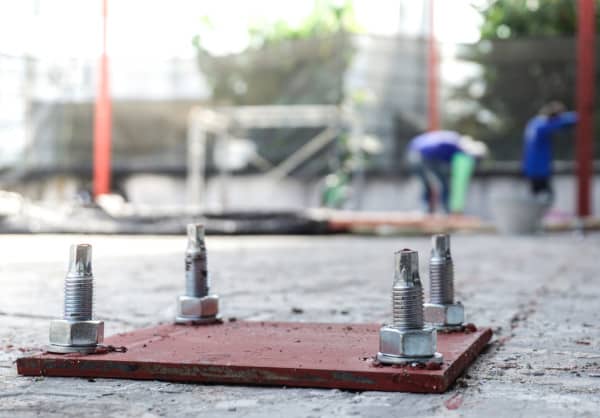
Contractors of all kinds rely on concrete anchors, but these fasteners’ impressive grip can make them particularly tricky to remove. QRFS takes a look at established and emerging ways to quickly remove concrete anchors.
February 26, 2019
With additional control equipment and air pressurization devices not found in wet sprinkler systems, installing a dry sprinkler system ups the complexity factor. QRFS explains components and NFPA requirements for installing dry systems in areas prone to freezing.
January 29, 2019
Wet sprinkler systems may dominate the fire safety market, but there’s a better solution for certain environments prone to freezing: dry sprinkler systems. QRFS explains how dry systems work, providing the coverage you need without the fear of burst pipes.
December 5, 2018
Fire hoses are made with a specific use in mind, so it’s important to know the difference between them – including their materials and pressure tolerances – before making a purchase. Whether you are a firefighter or you simply need new hose for a standpipe system, this article outlines which one is right for the job.
September 4, 2018
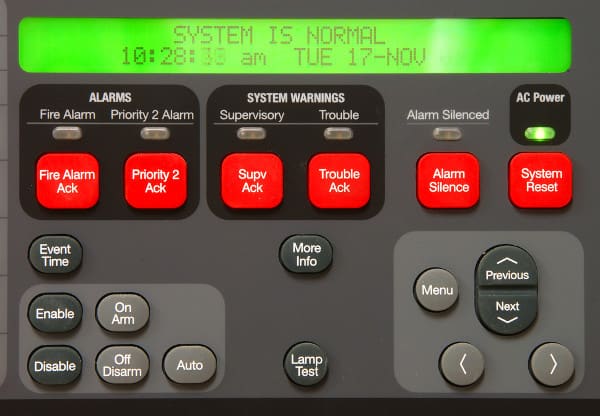
Fire alarm control panels can interface with hundreds of life-saving devices simultaneously. QRFS looks at how fire code and the features of today’s fire panels streamline evacuation and emergency response efforts.
June 12, 2018
Fire Department Connections and their replacement parts must be compatible with the specific hoses and connections used by your local fire department. QRFS explains how to determine the size and thread for your FDC and its components.