

How Do I Get an FDC Plug or Other Part With the Right Threads?
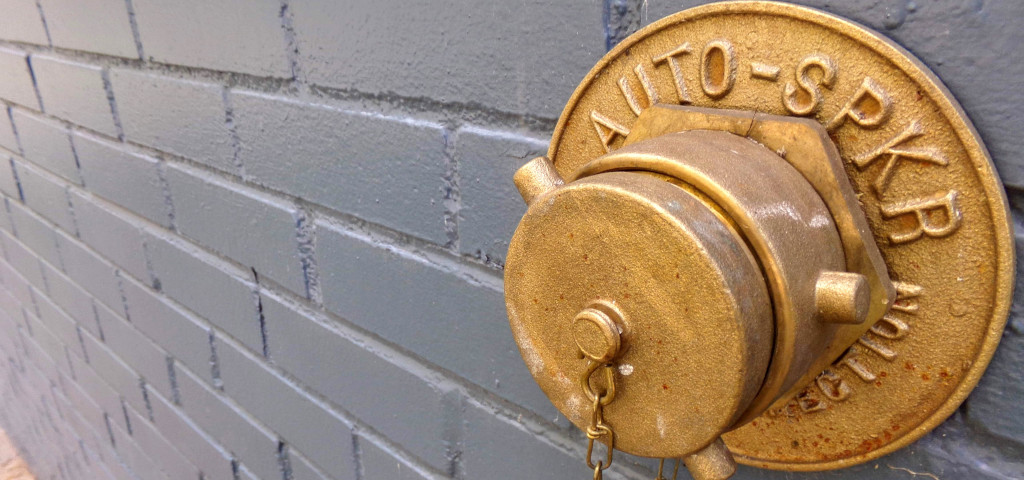
An FDC, including its plugs and swivel inlets, needs to have the right size and thread standard for a local jurisdiction. Learn how to ID and get the proper parts.
An FDC, including its plugs and swivel inlets, needs to have the right size and thread standard for a local jurisdiction. Learn how to ID and get the proper parts.
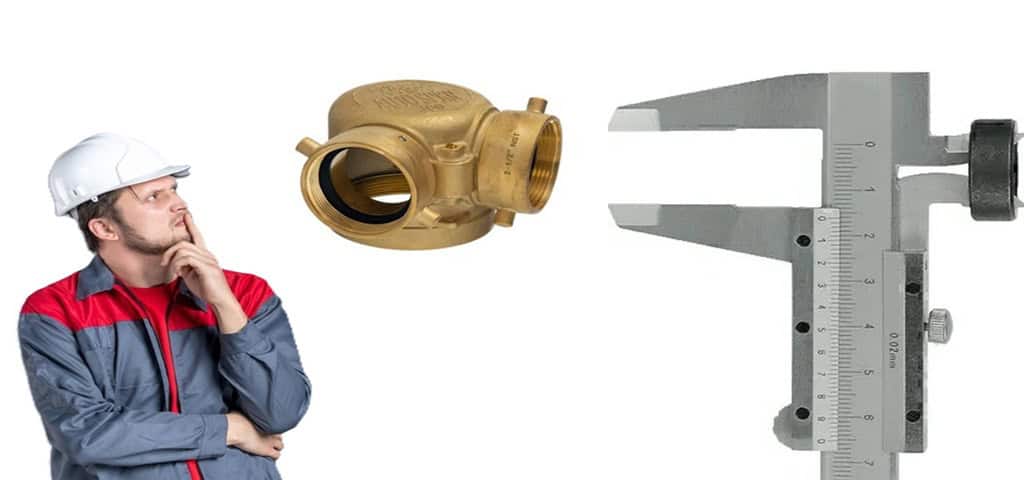
Most FDCs use standard NH/NST threads—but some don’t! QRFS explains the different fire hose and FDC threads and sizes used in various jurisdictions.
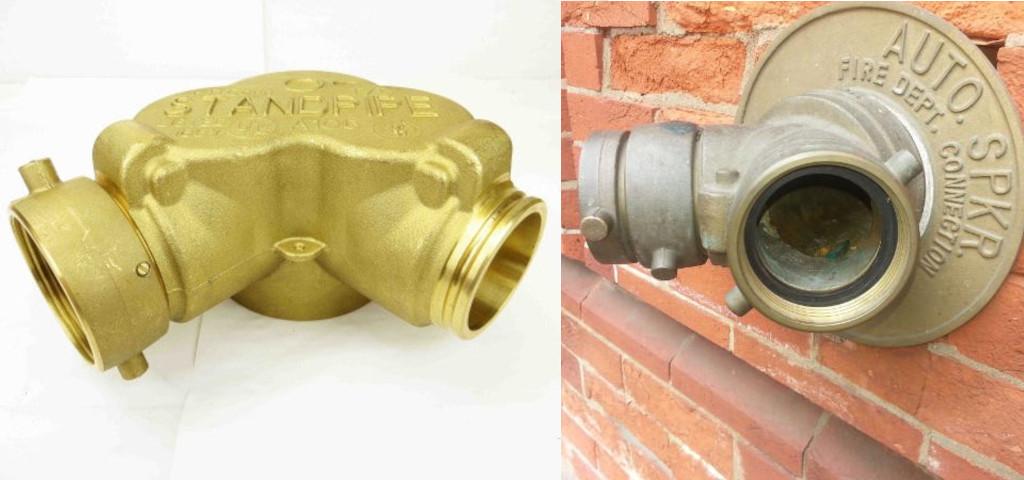
FDC parts must be measured precisely, and many buyers get it wrong. Here’s how to get the right numbers and thread type.
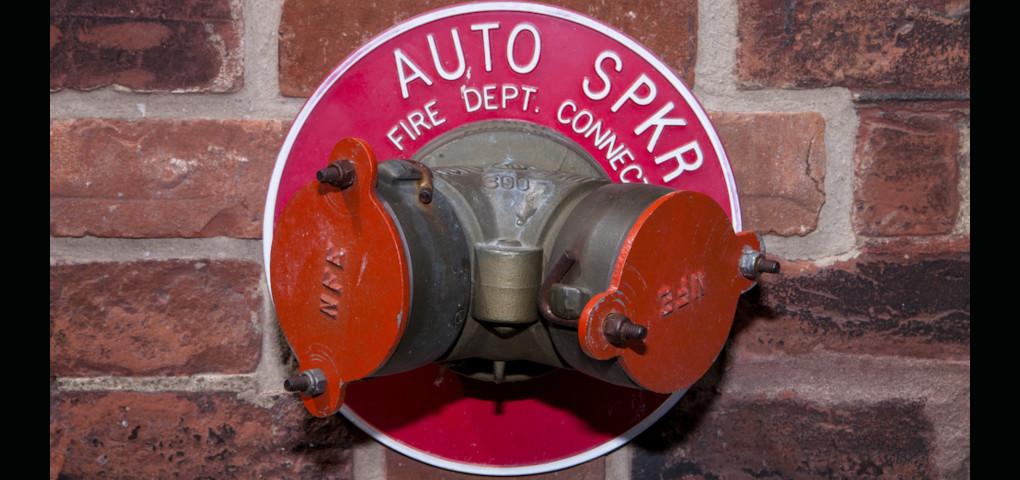
Firefighters shouldn’t have to search far and wide for an FDC during a fire. Learn what signs and markings are necessary and how to get them.
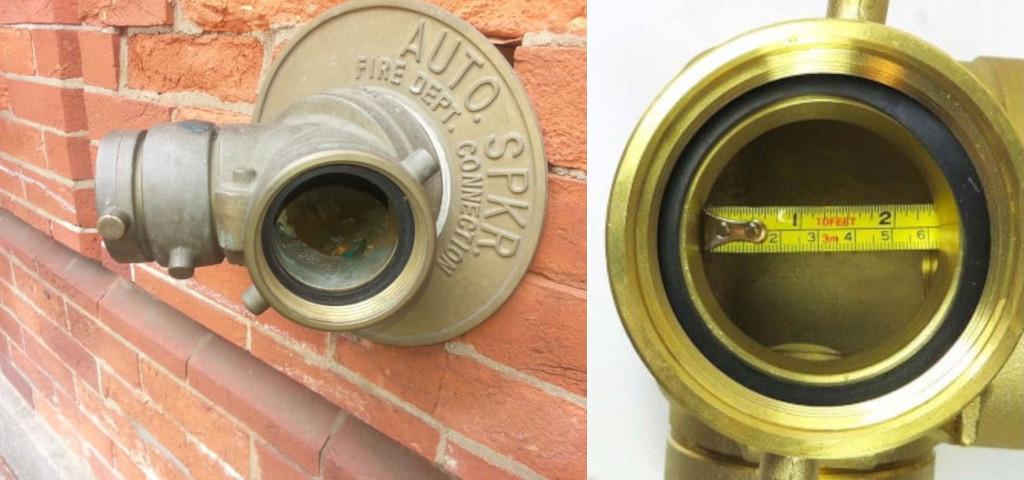
FDC caps and plugs can go MIA due to theft or vandalism, requiring quarterly checks. Learn how to replace them with the right parts.
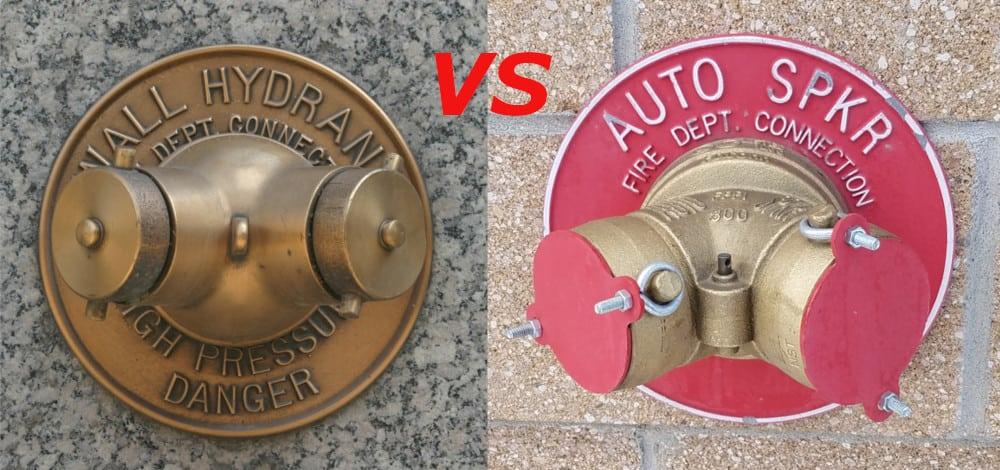
Wall hydrants look similar to FDCs but flow water the other way. Learn how each works, when they’re needed, the maintenance requirements, and more.
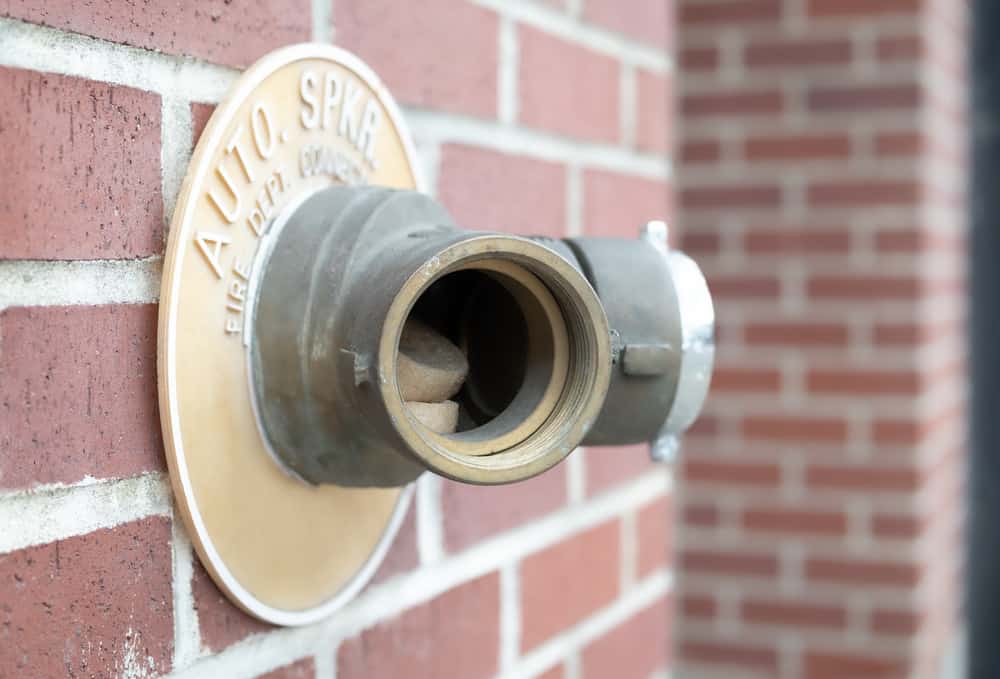
Fire department connections must remain covered to protect the system’s pipe and water supply. Here’s how to replace FDC plugs and caps.
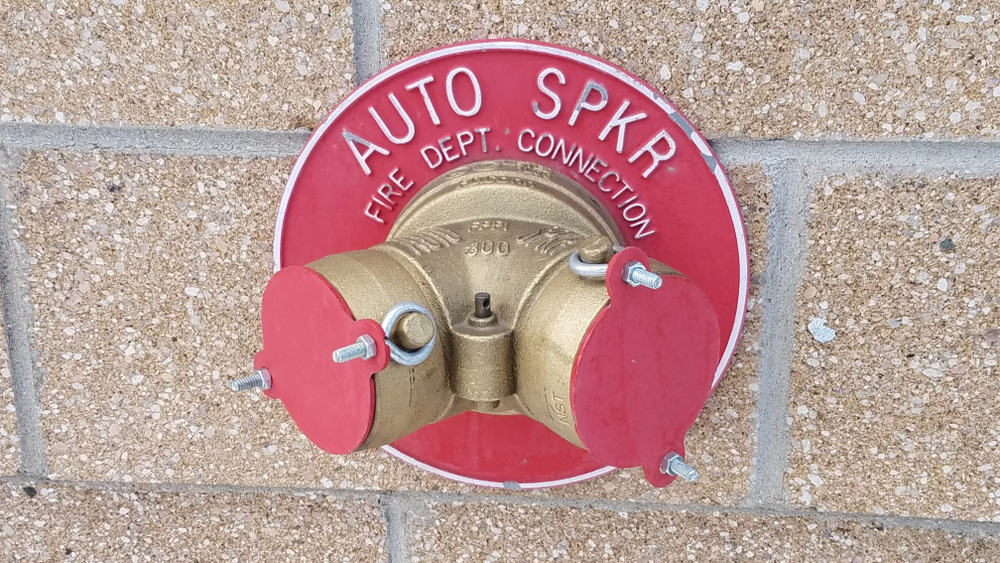
ITM for a fire department connection involves a quarterly inspection of all FDC components, plus a hydrostatic test every five years.
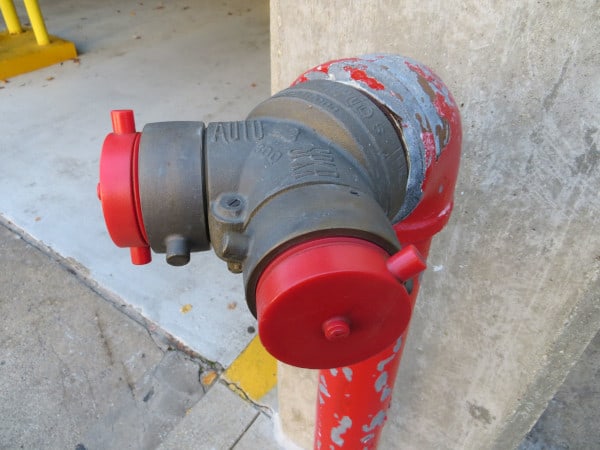
Countless consumers order the wrong fire department connection caps and plugs. Choose the right size and thread for your FDC fire equipment with this guide.
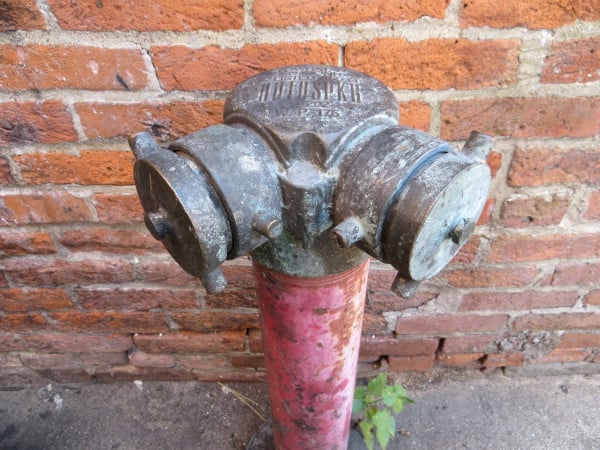
Building owners and facility managers often find the process of replacing a fire department connection, or FDC, confusing. QRFS looks at FDCs from a buyer’s perspective, answering frequently asked questions about this important piece of fire protection equipment.
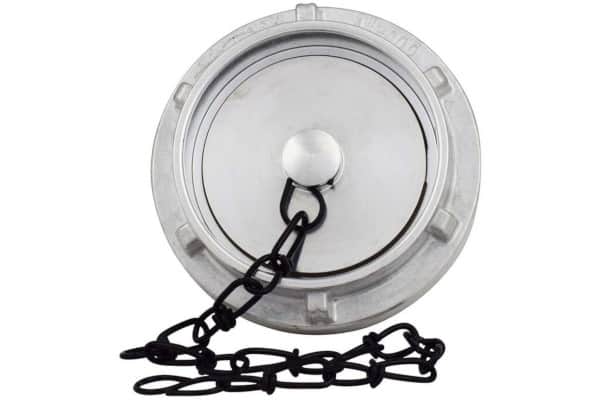
A Storz fire hydrant or a Storz fire department connection without a cap or plug is a rare sight—and cause for concern. QRFS takes a look at Storz blind caps, explaining what they are, what they’re made of, and what they do for an FDC or fire hydrant connection.
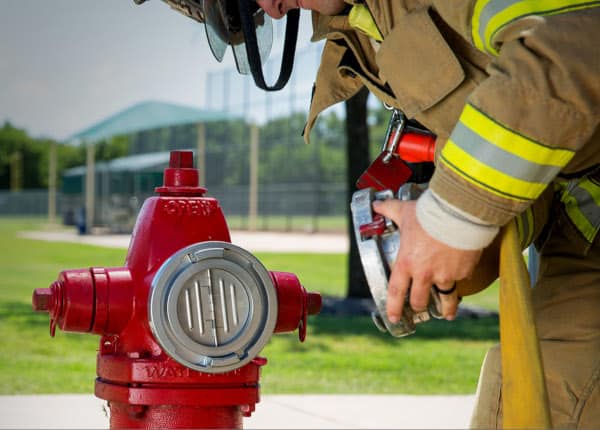
Quick-connecting Storz couplings can simplify the task facing firefighters and significantly reduce the time required to connect fire hoses to fire hydrants and fire department connections. QRFS looks at the benefits and drawbacks of three products designed to make these devices Storz-ready: removable Storz adapters, permanent Storz adapters, and integral fire hydrant Storz connections.
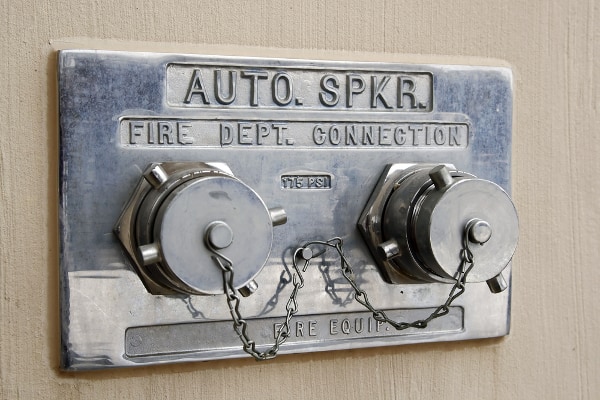
Fire Department Connections and their replacement parts must be compatible with the specific hoses and connections used by your local fire department. QRFS explains how to determine the size and thread for your FDC and its components.
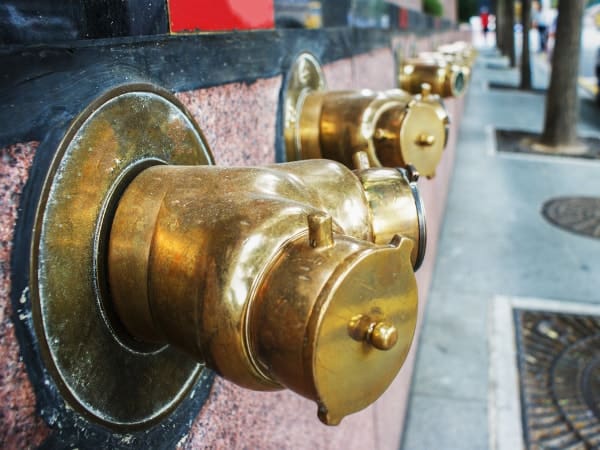
Working Fire Department Connections (FDCs) are essential for many standpipe systems, and a broken or missing swivel means firefighters won’t have access to the water supply during a fire. QRFS looks at options for replacing a fire department connection swivels, plus how to install the part.
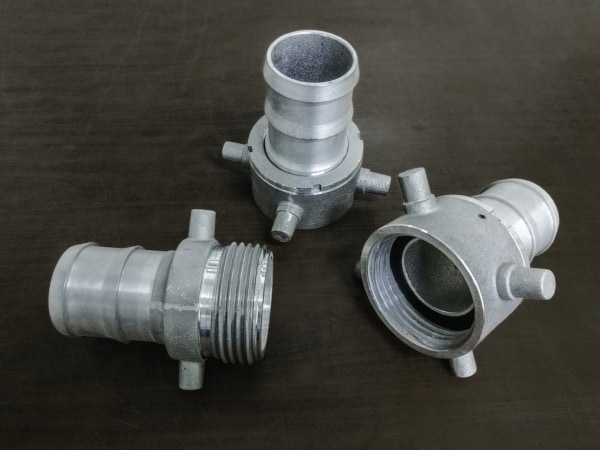
In this article, we dive into thread standards and thread sizing. Travel back into history to gain a better understanding of thread sizes, learn what standards are used today, and find out what solutions are available to ensure you get the right threads for your fire protection job.
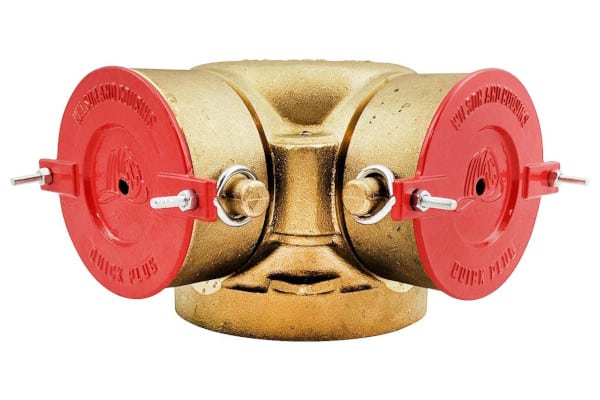
In this article, we help you learn how to select the right size Fire Department Connection (FDC) break cap or plug.
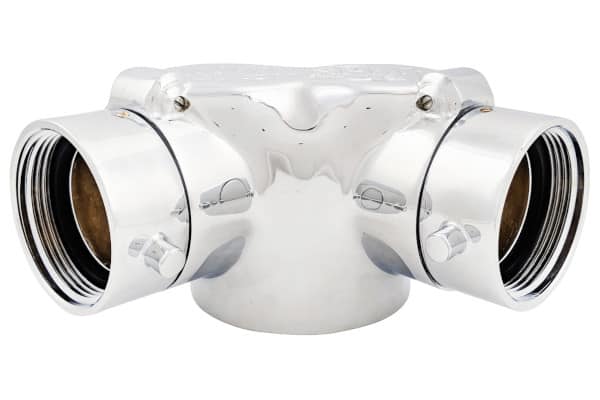
The Siamese Fire Department Connection (FDC) features two female inlets and plays an essential role in providing supplemental water to sprinkler and standpipe systems.
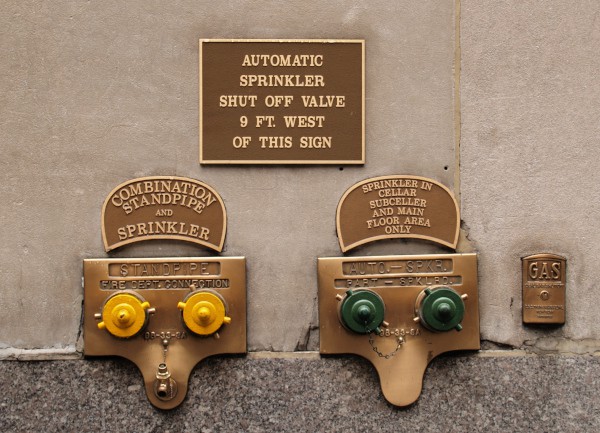
The fire department connection (FDC) is the access point for a building’s standpipe or sprinkler system to receive water from fire engines. Learn about FDC types, components, uses, and standards and code governing them.