Fire extinguisher numbers and letters

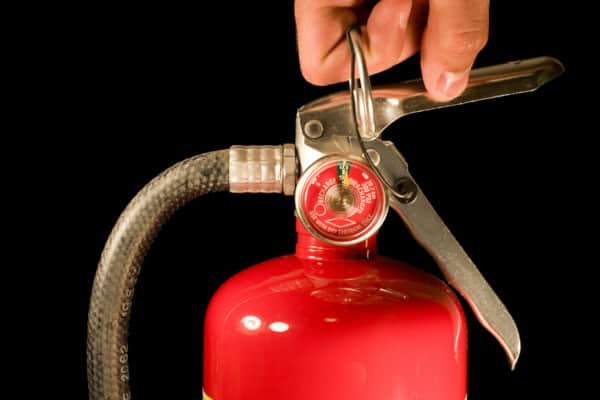
What Does the Number on a Fire Extinguisher Mean?

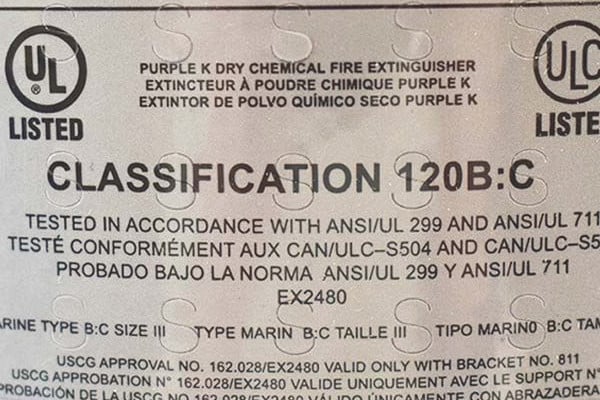
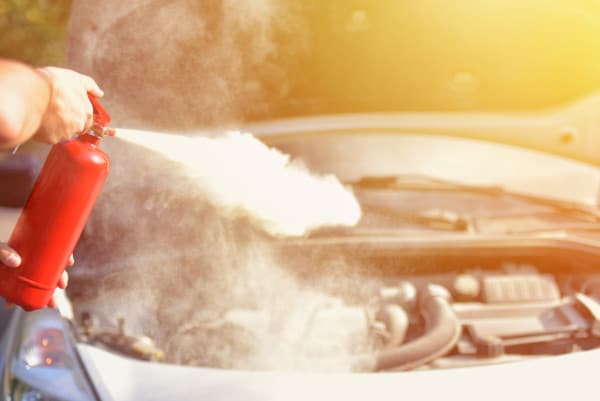
Using the wrong extinguisher can make a fire significantly worse. QRFS explains what the numbers on a fire extinguisher mean—as well as the letters—and what they indicate about its suitability against certain types of fires. To read and understand extinguisher labels like a pro, read on.

Read Now →
Water mist fire protection systems

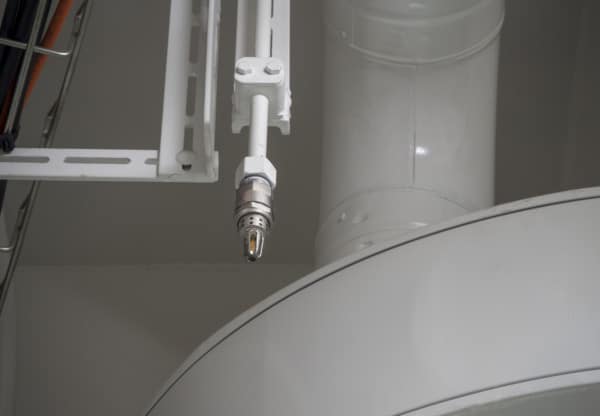
What are Water Mist Fire Sprinkler Systems?

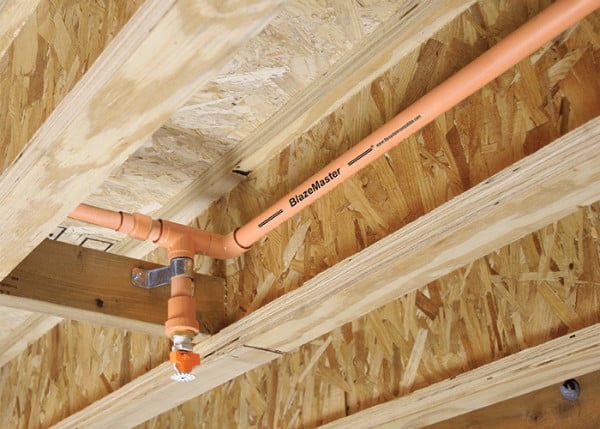
Powered by small water droplets, water mist fire suppression systems may outperform conventional fire sprinkler systems and their usual alternatives. QRFS looks at how water mist systems work, their types, usage, and maintenance in accordance with NFPA 750.

Read Now →
A fire alarm control panel.

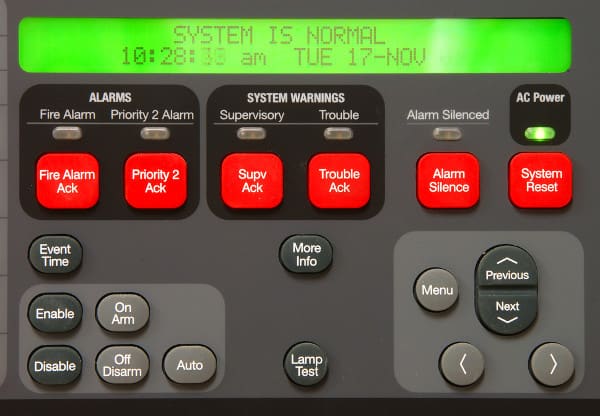
What is a Fire Panel and How Does it Work?

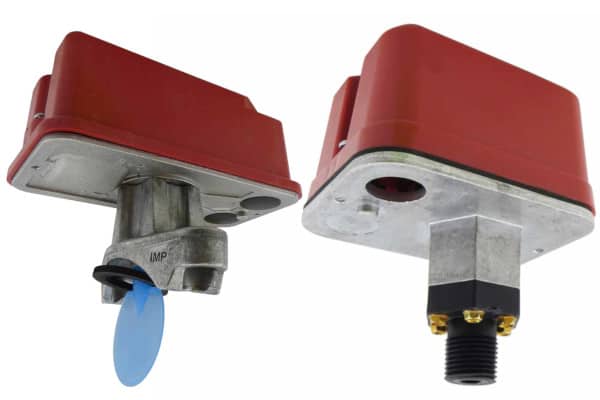
Fire alarm control panels can interface with hundreds of life-saving devices simultaneously. QRFS looks at how fire code and the features of today’s fire panels streamline evacuation and emergency response efforts.

Read Now →

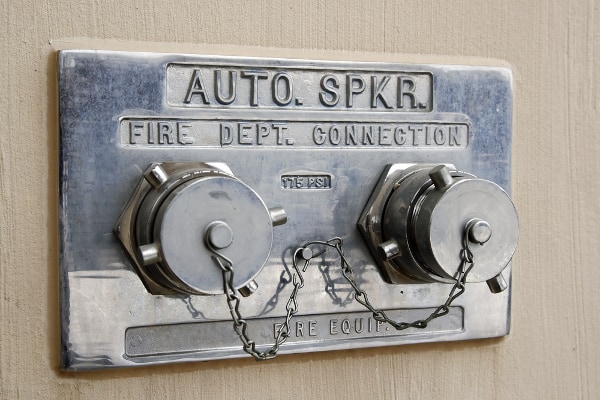
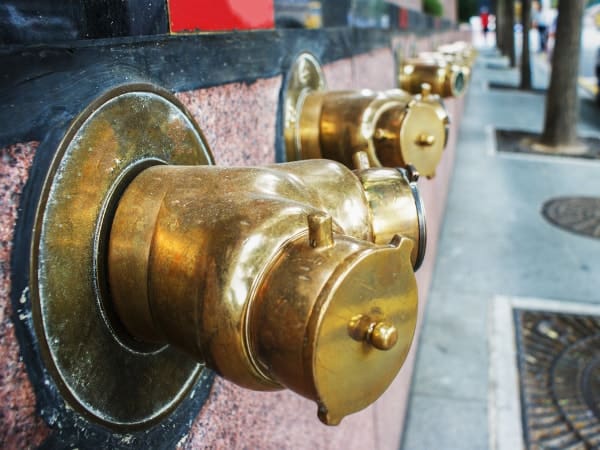
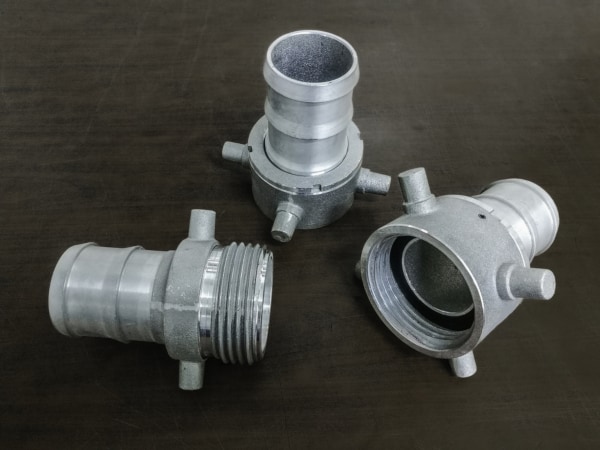
Replacing a Fire Department Connection Swivel

Working Fire Department Connections (FDCs) are essential for many standpipe systems, and a broken or missing swivel means firefighters won’t have access to the water supply during a fire. QRFS looks at options for replacing a fire department connection swivels, plus how to install the part.

Read Now →

The Use of Antifreeze in Fire Protection Systems

After a series of incidents in which antifreeze ignited after sprinklers deployed during a fire, NFPA investigated and began issuing new guidelines for its use in 2010. QRFS explains the current status of using antifreeze in fire protection systems, as well as alternatives for freeze protection.

Read Now →